How Much Sunlight Do Cylindrical snake plant Need?
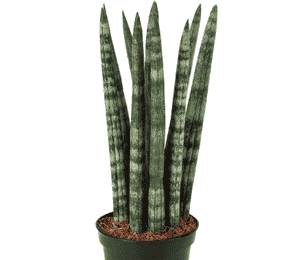
1
The Cylindrical snake plant flourishes with moderate sunlight exposure, ideally receiving around 3 to 6 hours daily.
2
This resilient botanical specimen adapts well to both bright, direct light and dimly lit environments, offering great flexibility for placement.
3
Exercise care regarding intense, unfiltered sunlight, as excessive exposure may lead to scorching of its foliage.
Deciphering the Sunlight Requirements of Cylindrical Snake Plants
Various Forms of Solar Exposure
When discussing light needs for vegetation, it's vital to differentiate between distinct categories: direct sun, diffused sun, and partial shade. Direct sun implies the plant receives unfiltered solar rays, which can be quite intense. Diffused sun is more scattered, typically filtered by a curtain or another medium. Partial shade refers to conditions where the plant gets approximately 3-6 hours of unfiltered sunlight daily. Each category uniquely influences a plant's vitality and development.
The Essential Role of Sunlight for Cylindrical Snake Plants
Sunlight is a critical element for the Cylindrical snake plant's photosynthetic process. This mechanism involves converting luminous energy into chemical energy, fostering vigorous plant growth. Appropriate sunlight supplies the plant with the energy required to synthesize nutrients, guaranteeing healthy development, vivid coloration, and resilience. Insufficient sunlight can hinder these processes, leading to issues such as stunted growth and discolored foliage.
Optimal Sunlight Exposure for Cylindrical Snake Plants
Ideal Illumination Conditions
The Cylindrical snake plant flourishes best in partial shade, ideally receiving about 3-6 hours of direct sunlight each day. It particularly benefits from morning sun, which is less potent than afternoon sun. If you position your snake plant in an area that receives filtered, indirect light for the remainder of the day, it will maintain its health and growth effectively.
Consequences of Insufficient Illumination
If your Cylindrical snake plant does not receive adequate sunlight, several indicators may appear. The plant could experience reduced growth rates, and its leaves might lose their vibrancy or begin to droop. Without sufficient light, the plant's photosynthetic capability is compromised, impacting its overall well-being and long-term robustness.
Impacts of Excessive Illumination
While the Cylindrical snake plant can withstand full sun, too much direct sunlight, especially in the afternoon, can cause leaf scorching. You might observe the leaf tips or edges turning brown and becoming brittle. Consistent overexposure can inflict considerable harm, so it is crucial to monitor the amount of direct sunlight your plant receives.
Modifying Sunlight Exposure
Assessing Your Space's Light Availability
Prior to situating your Cylindrical snake plant, evaluate the light patterns within your residence or workplace. Utilize a light meter or simply observe the amount of light entering through your windows throughout the day. South-facing windows typically offer the most light, while north-facing windows provide the least. Based on this assessment, select a location that provides partial sun exposure.
Adjusting Positioning Based on Seasonal Variations
Sunlight dynamics can shift with the changing seasons. During summer, the sun is higher and more intense, so you may need to relocate your Cylindrical snake plant further from the window or offer some shading. Conversely, during winter, when sunlight is weaker and days are shorter, you might need to move the plant closer to the window to ensure it receives adequate light.
Alternative Lighting Solutions
Efficient Use of Grow Lights
Grow lights can be an excellent method for supplying the necessary illumination for your Cylindrical snake plant, particularly during darker periods or in areas with limited natural light. LED grow lights are energy-efficient and can emulate natural sunlight. Position the grow light 12-18 inches (30-45 cm) from the plant and employ a timer to provide approximately 6-8 hours of light daily.
Integrating Natural and Artificial Light
For optimal development, consider a blend of natural and artificial light. Place your Cylindrical snake plant in a location where it receives some natural light and supplement it with grow lights as needed. This strategy ensures a consistent light supply, enabling the plant to flourish even in less than ideal conditions.



