How Much Sunlight Do Water spangles Need?
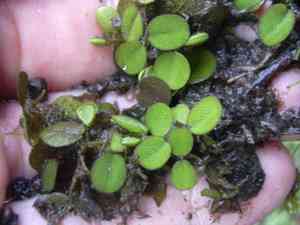
1
Water spangles flourish optimally with approximately 3-6 hours of sunlight each day.
2
They can endure both complete sun exposure and total shade, yet favor moderate sun.
3
Water spangles are perfectly suited for aquatic gardens, ponds, and fish tanks.
Grasping Sunlight Requirements for Water spangles
Water spangles' Native Environment
In their natural setting, Water spangles originate from warm, tropical areas where they float freely on the surface of freshwater bodies such as ponds, lakes, and sluggish streams. Understanding this natural habitat is vital for replicating appropriate sunlight conditions in your home or garden.
Optimal Light Conditions
Water spangles thrive best in partial sun, meaning they do well with approximately 3-6 hours of daily sunlight. While they can endure both full sun and full shade, partial sun is ideal for maintaining their health and vibrancy. Achieving a balance is crucial to prevent overexposure or insufficient light.
Direct vs. Indirect Sunlight: Which is Preferable?
Advantages of Direct Sunlight
Direct sunlight can aid Water spangles in robust growth and the development of vivid colors. Exposure to direct sunlight can also help prevent issues related to fungal growth, which are more common in overly shaded or damp conditions. However, moderation is key to avoid overexposure.
Benefits of Indirect Sunlight for Water spangles
Indirect sunlight, filtered through leaves or partial shade, offers a gentler method for sustaining Water spangles. Indirect light prevents the water temperature from becoming too high, which can stress plants, and helps maintain proper moisture levels without drying out the foliage.
Signs Your Water spangles Are Receiving Too Much or Too Little Sunlight
Symptoms of Sun Overexposure
If your Water spangles are exposed to excessive sun, you might observe the leaves turning brown or crispy, especially at the edges. The plants may also show wilting or droopiness due to extreme heat.
Indicators of Insufficient Light
Water spangles receiving too little sunlight may appear pale, with yellowing leaves and slower development. You might also notice elongated stems as the plant stretches towards a light source in search of more illumination.
How to Optimize Light Exposure for Indoor Water spangles
Utilizing Artificial Light
When cultivating Water spangles indoors, particularly in aquariums or water gardens, consider employing artificial light. Full-spectrum fluorescent lights can provide the necessary light intensity, mimicking natural sunlight.
Placement Advice for Optimal Growth
Position your Water spangles near windows with partial sunlight or use sheer curtains to diffuse the light if it's too strong. You can also place them in rooms that receive ample indirect light throughout the day to ensure they get the right balance for optimal growth.
Seasonal Adjustments for Water spangles' Sunlight Needs
Summer Care Recommendations
During summer, be wary of prolonged direct sunlight as it can lead to overheating. Ensure they are in partial shade during the hottest part of the day, and monitor water levels, as evaporation rates will be higher.
Winter Light Management
In winter, natural daylight periods are shorter, making it crucial to maximize available light. Place your plants where they can receive the most sunlight, potentially supplementing with artificial light to maintain their health.



