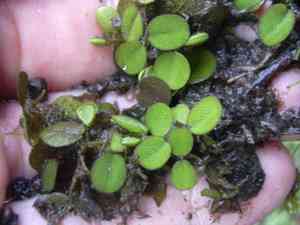
Water spangles (Salvinia minima)
Also known as: Water fern, Round-leaf salvinia
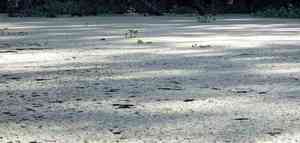
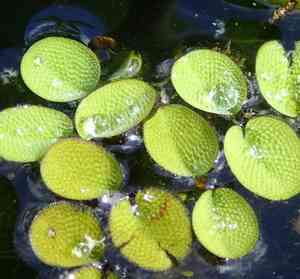
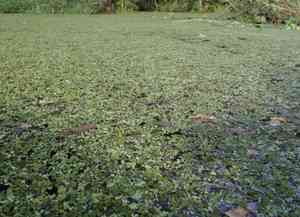
Giant salvinia (Salvinia molesta) is a floating, rootless aquatic fern known for its rapid reproduction through spores and fragmentation. This invasive species outcompetes native plants, forming thick mats that block sunlight and reduce oxygen levels, which can be detrimental to fish and other aquatic organisms.
In This Article
Attributes of Water spangles
Lifespan
Annual, Perennial
Plant Type
Herb
Plant Height
6 cm
Spread
Spreads laterally, not forming a crown
Leaf Color
Green
Flower Size
N/A
Flower Color
N/A
Images of Water spangles
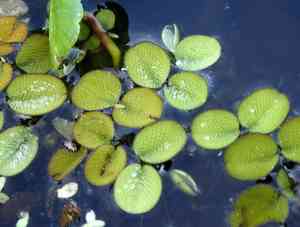
Quickly Identify Water spangles
1
Salvinia minima can be identified by its small, oval-shaped, and slightly hairy leaves that form in pairs. The leaves have a spongy texture and are typically green. The presence of root-like structures hanging down into the water is another key feature.
Scientific Classification of Water spangles
Phylum
Vascular plants
Class
Ferns
Order
Salviniales
Family
Floating fern
Genus
Watermosses
Species
Water spangles
Planting and Growing of Water spangles
Care Difficulty
Easy
Watering Schedule
Every 4 days
Sunlight Requirements
Partial sun
Sunshine Duration
4-6 hours
Ideal Temperature
75-86℉
Soil Type
Potting Mix, Peat Mix
Soil pH
6.5-7.5
Fertilizer Type
Balanced
Pruning Season
Spring, Summer
Pruning Area
Branches, Leaves
Pruning Frequency
2 times a year
Repotting Season
Spring
Pot Type
Plastic, Terracotta
 How to Water Water spangles?
Salvinia minima thrives in moist environments, and the ideal watering amount is approximately 200 ml. When watering, ensure the water is evenly distributed across the plant’s surface to maintain consistent moisture levels. The water should adequately saturate the plant without causing any visible pooling, mimicking its natural aquatic habitat.
What are the symptoms of an underwatered Water spangles?
›
What should I do if my Water spangles is not getting enough water?
›
What are the symptoms of an overwatered Water spangles?
›
How to save an overwatered Water spangles?
›
 What Are the Sunlight Requirements for Water spangles?
Partial sun exposure, 2 to 4 hours per day, allows Salvinia minima to maximize growth and maintain vibrant health, supporting efficient photosynthesis without excessive stress.
More About Sunlight Requirements Techniques→
What are the ideal lighting conditions?
›
How can I achieve ideal lighting conditions?
›
What are the benefits of ideal lighting?
›
 What Is the Ideal Temperature Range for Water spangles?
The ideal temperature for Salvinia minima growth is between 75-86°F. Maintaining this temperature range provides optimal conditions for photosynthesis and growth, ensuring the plant receives adequate light and moisture levels for its thriving needs.
 What Soil is Best for Water spangles?
Salvinia minima thrives in soils that retain moisture well, like sandy loam with adequate organic content. This helps to sustain its rapid growth and ensures it doesn't dry out. Rich, nutrient-filled substrate is vital for optimal growth. Incorporating decomposed organic material supports the plant’s nutritional needs and boosts its vibrant green appearance. While moisture retention is crucial, the soil should be well-aerated to prevent waterlogging and root rot, ensuring the plant stays healthy and strong.
 How to Fertilize Water spangles?
For Salvinia minima, apply a diluted liquid fertilizer at half strength each time to avoid overwhelming the plant. Because this is an aquatic plant, excessive nutrients can disrupt its delicate balance; it's crucial to use minimal amounts carefully.
 How to Prune Water spangles?
Start by observing your Salvinia minima for areas that appear dense. These dense patches can restrict water movement and light penetration. Identifying them allows you to focus pruning efforts where it's most needed. Ensure any tools you use, such as scissors or aquatic shears, are clean and sharp. This prevents the spread of disease and ensures a clean cut, promoting healthier regrowth of the plant. Carefully and gently trim away the excess growth, focusing on areas that appear overcrowded. Avoid pulling or tearing the plants, as this could damage the remaining healthy foliage.
More About Pruning Techniques→
 How to Propagate Water spangles plant?
1
Select a healthy mother plant with vigorous growth. This ensures the new divisions will have a strong start. Prepare the plant by gently removing it from its current aquatic environment to perform the division process.
2
Using an aquarium net, slowly separate clusters of Salvinia minima. Look for natural breaks or smaller groups of leaves and roots. This method reduces stress and potential damage to each piece.
3
Place each divided cluster into a new container filled with nutrient-rich water. Ensure that the water is clean and at the right temperature to aid in the acclimation and growth of the newly propagated plants.
 How to Repot Water spangles plant?
1
Salvinia minima should be considered for repotting when you notice overcrowding in its growth environment, often observed as leaves competing for space. Additionally, if the plant seems stunted or water circulation appears restricted, it's time. Early signs such as yellowing leaves despite stable water quality indicate your plant desires a new habitat.
2
Select a pot that's wide and shallow to replicate its natural spread in water bodies. A wider pot encourages optimum distribution, providing ample space for its sprawling leaves. Make sure it allows for good water circulation, promoting a healthy environment. Opt for materials that blend naturally with water settings.
3
Opt for a peat-rich aquatic soil that maintains the necessary moisture level while promoting nutrient retention. The slight acidity of peat supports Salvinia's growth, creating an ideal medium that mimics its natural swampy, tropical conditions. This type of soil also assists in preventing root rot while ensuring a steady nutritional supply.



