How Much Sunlight Do African violet Need?
1
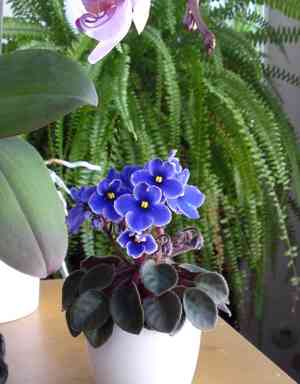
African violets flourish optimally under diffused light conditions and may decline with excessive direct sun exposure.
2
These houseplants adapt readily to artificial illumination, positioning them as an superb option for indoor cultivation.
3
African violets need roughly 3-6 hours of filtered sunlight or comparable artificial light each day.
Optimal Sunlight Conditions for African violets
Indirect Light Preference
Unlike certain sun-loving plants, African violets thrive in indirect illumination. This entails placing them where they receive bright, yet filtered sunlight, rather than direct solar exposure. Unfiltered light can be overly strong, potentially harming the delicate foliage of these exquisite indoor plants. Thus, an ideal spot for your African violet is near a window with sheer drapes or in a location reflecting light off a wall.
Avoiding Direct Sunlight
While solar energy is vital for plant development, an excess of direct sunlight can be detrimental to African violets. Prolonged exposure to unfiltered sun can scorch their leaves, resulting in unattractive brown patches or even leaf collapse. To prevent these issues, ensure your plant is shielded from the harsh midday sun. A location receiving dappled or reflected light is perfect, such as an east or north-facing window.
Ideal Window Placement
When deciding where to position your African violet, the window's orientation is crucial. East-facing windows provide gentle morning sun, which is perfect for African violets. North-facing windows are also suitable, offering consistent, yet indirect light throughout the day. If only south or west-facing windows are available, diffusing the light with sheer curtains may be necessary to mitigate direct sun intensity.
How to Monitor Light Exposure for African violets
Signs of Too Much Light
It's essential to observe your African violet for indicators of excessive light. Symptoms include yellowing foliage, browned burn spots, or leaf edge curling. If these signs appear, it's vital to promptly move your plant to an environment with less intense light.
Signs of Insufficient Light
Conversely, a lack of adequate light can also be harmful. African violets deprived of sufficient illumination may exhibit pale leaves, elongated stems, and a failure to produce blooms. If your plant displays these symptoms, try relocating it to a brighter area or consider supplementing with artificial illumination.
Using a Light Meter
To ensure your African violets receive the appropriate amount of light, employing a light meter can be extremely helpful. This device measures light intensity, aiding you in finding the perfect spot in your home. Aim for an intensity between 10,000 to 20,000 lux (approximately 1,000 to 2,000 foot-candles) for peak growth. This range guarantees your plant gets enough light without risk of damage.
Artificial Lighting for African violets
Choosing the Right Grow Lights
African violets thrive exceptionally well under artificial illumination, which is excellent news for indoor cultivators. When selecting grow lights, opt for fluorescent or LED lights as they deliver the full spectrum light required for photosynthesis. Position these light sources approximately 30-40 centimeters (12-16 inches) above the plants for optimal results.
Light Duration and Intensity
Maintaining the correct period and strength of light is critical. African violets require about 12-16 hours of light daily. Investing in a timer can help automate this process, ensuring your plants receive consistent lighting without you having to remember to switch the lights on and off.
Positioning Artificial Lights
The placement of artificial lights can significantly affect the development of your African violets. Ensure the light source is uniformly distributed over the plants to prevent lopsided growth. Hanging lights directly above the plants will provide consistent illumination, promoting even development.
Adjusting Sunlight for Seasonal Changes
Winter Light Considerations
During the colder months, natural light levels decrease, and your African violets might not receive enough. To compensate, move your plants closer to windows or extend the duration of artificial light. If relying on natural light, ensure the window area isn't too cold, as African violets prefer warmer conditions.
Summer Light Adjustments
In the warmer months, light intensity increases. You may need to shield your African violets from excessive direct sunlight. Utilizing sheer curtains to diffuse the light can protect your plants from overheating and scorching while still providing adequate illumination for healthy development.
Using Sheer Curtains
Sheer curtains offer a simple yet effective method to manage light conditions for your African violets. They aid in diffusing light, reducing its intensity, and safeguarding the plants from direct sun exposure. This technique can be particularly beneficial during peak summer months when the sun is strongest.



