How Much Sunlight Do Minnieroot Need?
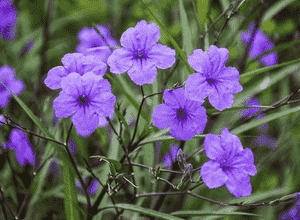
1
Minnieroot flourishes with direct sunlight for a minimum of six hours daily.
2
Excessive sun exposure can lead to scorched foliage on Minnieroot.
3
Minnieroot receiving inadequate light might exhibit retarded development and diminished blooms.
Understanding Minnieroot Sunlight Requirements
Optimal Sunlight Conditions
For Minnieroot to flourish, it needs complete sun exposure, meaning it should receive at least 6 to 8 hours of direct sunlight daily. This plant thrives in bright, unshaded light, making it an excellent choice for sunny garden areas. In regions with very intense sun, the plant often performs exceptionally well, provided its hydration needs are met.
Signs of Too Much Sunlight
While Minnieroot enjoys significant sunlight, excessive exposure can be detrimental. Indicators of overexposure include leaves turning yellow or brown, crispy leaf edges, and general leaf shedding. When the sun is overly intense, particularly during peak afternoon hours, the plant can suffer from sunburn, leading to its decline.
Signs of Insufficient Sunlight
Conversely, if Minnieroot doesn't receive enough sunlight, it will display symptoms such as elongated stems (as it stretches for light), fewer blossoms, dull leaf coloration, and stunted development. A lack of adequate sunlight diminishes the plant's ability to photosynthesize effectively, potentially increasing its susceptibility to pests and diseases.
Best Placement for Minnieroot in Your Garden
Ideal Spots for Planting
The optimal location to plant your Minnieroot is where it can get sun throughout the day. Perfect spots include the south-facing areas of your garden or any location not blocked by structures, trees, or other vegetation. Consider planting it in flowerbeds, along borders, or in movable containers to ensure maximum light exposure.
Avoid Areas With Heavy Shade
It's crucial to refrain from planting Minnieroot in heavily shaded locations. These areas might be under dense tree canopies, close to tall buildings, or in the shadow of larger plants. Such environments can deprive Minnieroot of the light necessary for vigorous growth and vibrant blooms, resulting in subpar plant performance.
How to Adjust Sunlight Exposure
Using Shade Cloths
If you're concerned about your Minnieroot receiving too much sunlight, especially during peak summer days, employing shade cloths can be a practical solution. These cloths filter harsh rays while still allowing sufficient light to reach the plant. Choose a cloth with an appropriate shading percentage (30-50%) for optimal results.
Transplanting Techniques
Should you need to modify your Minnieroot's position, transplanting is a viable option. Carefully dig up the plant, ensuring its root ball remains intact, and relocate it to a sunnier spot. The best times for transplanting are early spring or late fall, as these seasons offer milder conditions that aid the plant's adjustment.
Seasonal Adjustments
Sunlight intensity varies with the seasons, so you might need to reposition potted Minnieroot plants accordingly. In winter, move them to the brightest available spot, while in summer, you might shift them to a location that receives morning sun and afternoon shade to prevent overheating.
What Happens if Minnieroot Gets Too Little or Too Much Sun?
Impact on Growth
Minnieroot's growth is significantly affected by sunlight. Too little sunlight can lead to a leggy, stretched appearance, while too much can cause stunted growth due to leaf damage and dehydration. Ensuring balanced sunlight exposure is vital for maintaining its health and vigor.
Effect on Flowering
Minnieroot blooms more profusely under optimal sunlight conditions. Insufficient sunlight often results in fewer and smaller flowers, whereas adequate sunlight promotes vibrant and abundant blossoms. However, excessive sunlight can stress the plant, leading to reduced flowering.
Common Health Problems
Common health issues linked to improper sunlight include leaf scorching from excessive light, making the plant more susceptible to pests and diseases. Insufficient light can weaken the plant's immune system, making it prone to fungal infections and other ailments.
Frequently Asked Questions About Minnieroot and Sunlight
Can Minnieroot Grow Indoors?
Yes, Minnieroot can be cultivated indoors if it receives ample illumination. Position it near a south-facing window where it can get plenty of direct sunlight. If natural light is limited, consider using grow lights to supplement its requirements.
Is Artificial Light Suitable for Minnieroot?
Artificial grow lights can effectively supplement Minnieroot's needs, especially during colder months or in homes with limited natural light. Utilizing full-spectrum LED grow lights can mimic natural sunlight, providing the necessary light spectrum for healthy development.



