How Much Sunlight Do Chinese sumac Need?
1
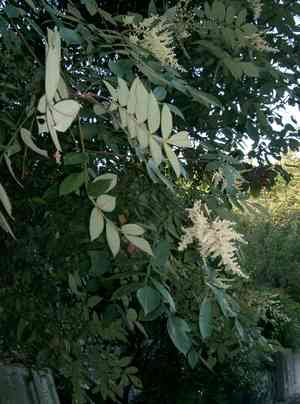
For optimal growth, Chinese sumac flourishes in full sunlight, necessitating a minimum of 6 hours of direct sun each day.
2
While full sun is preferred, Chinese sumac can also endure partial shade, though this might affect its development and vigor.
3
Regularly observing the amount of sunlight your Chinese sumac receives over the seasons will assist in providing proper maintenance.
Grasping Light Requirements for Chinese Sumac
Sunlight Categories
Knowing the sun exposure your Chinese sumac will experience is vital for its development. Sunlight generally falls into full sun, partial sun (or partial shade), and complete shade. Full sun means the plant receives direct light for at least six hours daily, often preferred by sun-loving species like Chinese sumac. Partial sun or shade indicates 3-6 hours of direct sun, while full shade means less than three hours daily. Understanding these terms aids in deciding where to plant your Chinese sumac.
The Photosynthesis Process
Photosynthesis is how plants convert solar energy into fuel. For your Chinese sumac, sufficient sunlight is key for efficient photosynthesis. This plant utilizes sunlight to create glucose and oxygen, both crucial for its growth and vitality. Inadequate light results in poor photosynthesis, causing stunted development and other health problems. Thus, providing the correct light amount is fundamental for a thriving Chinese sumac.
Optimal Light Conditions for Chinese Sumac
Full Sun Exposure
The Chinese sumac thrives best with full sun exposure. Aim to place your plant in a location where it gets at least six hours of direct sunlight daily. Full sun encourages robust growth, lush foliage, and vivid leaf colors, boosting the plant's overall beauty. This is especially important in colder regions, where ample light helps the plant endure low temperatures.
Partial Shade Advantages
While Chinese sumac favors full sun, it can handle partial shade. Partial shade is beneficial in extremely hot climates, as it can prevent leaf burn and other heat-related problems. If you notice your plant struggling with too much direct sun, moving it to an area with some afternoon shade can be helpful. However, note that prolonged partial shade might slow its growth and reduce foliage density.
Seasonal Light Needs of Chinese Sumac
Spring and Summer
During spring and summer, Chinese sumac enters its peak growth period. This time demands the most sunlight, ideally full sun, to power its rapid development. Ensuring your plant receives consistent, direct sunlight during these months will support vigorous and healthy growth, preparing it for the remainder of the year.
Fall and Winter
In the fall and winter, the intensity and duration of sunlight decrease. While Chinese sumac is somewhat adaptable to these shifts, it's still crucial to maximize its sun exposure. If grown in pots, you might consider moving them to brighter spots or supplementing with grow lights. Monitoring their light intake during these months helps them stay healthy and vibrant.
How to Ensure Adequate Light for Chinese Sumac
Selecting the Proper Site
Choosing the right location for your Chinese sumac is vital. Look for an area that receives plenty of direct sunlight for most of the day, avoiding spots shadowed by buildings or large trees. Gardeners often use south or west-facing positions to maximize sun exposure in their gardens.
Utilizing Sunlight Tracking Devices
Modern gardening tools can help guarantee your Chinese sumac gets sufficient sunlight. Sunlight tracking devices, such as light meters and smartphone applications, can measure and monitor the amount of light your plant receives daily. Using these tools allows you to make informed decisions about repositioning your plant or modifying its environment to optimize light exposure.
Indicators Your Chinese Sumac Requires More Light
Leaves Turning Yellow
A primary sign that your Chinese sumac may need more sunlight is yellowing leaves. This can happen when photosynthesis is hindered by insufficient light, leading to nutrient deficiencies and unhealthy foliage. If you observe this symptom, it's wise to check its light exposure and make necessary adjustments.
Growth Stunting
Stunted growth is another sign that your Chinese sumac isn't getting enough sunlight. Without adequate light, the plant cannot produce the energy needed for growth, resulting in smaller leaves and shorter branches. Ensuring your Chinese sumac is placed to receive ample sunlight can help alleviate this problem and promote healthy development.



