How Much Sunlight Do Pacific rhododendron Need?
1
The Pacific rhododendron flourishes optimally when exposed to direct sunlight for over six hours daily.
2
It can endure some shade, though this may impact the vibrancy of its flowers.
3
Excessive sun exposure can manifest as burned leaves and discolored margins.
Understanding Pacific rhododendron Light Requirements
Optimal Sunlight for Pacific rhododendron
The Pacific rhododendron thrives in areas with ample sun exposure, meaning it needs over six hours of direct sunlight daily. Full sun promotes vibrant, abundant blooms, enhancing its beauty. However, in hot climates, afternoon shade can prevent leaf scorching.
Why Sunlight Matters for Pacific rhododendron
Sunlight is vital for the Pacific rhododendron as it enables photosynthesis, crucial for its growth and flowering. Sufficient light provides the energy needed for beautiful, vivid flowers. Additionally, sunlight supports robust plant health and strong root development.
Selecting the Best Location for Your Pacific rhododendron
Outdoor Planting Sites
When planting your Pacific rhododendron outside, choosing the right spot is essential. Seek a location that gets morning sun and afternoon shade if you're in a very warm region. This balance shields the plant from intense midday sun while providing enough light for healthy development. East-facing gardens or areas with filtered light from taller trees are ideal.
Indoor Placement Advice
If you opt to grow your Pacific rhododendron indoors, placement is equally important. Position the plant near a south or west-facing window for ample sunlight. Consider using grow lights if natural light is insufficient. Also, rotate your plant regularly to ensure even light exposure on all sides.
Signs of Too Much or Too Little Sunlight for Your Pacific rhododendron
Identifying Sun-Damaged Leaves
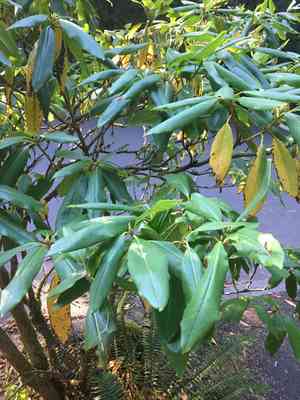
A clear indicator that your Pacific rhododendron is getting excessive sunlight is the appearance of sun-scorched leaves. These leaves may show burnt, brown edges and a brittle texture. This damage is often permanent, so prompt observation and adjustment of light conditions are crucial.
Recognizing Insufficient Sunlight Symptoms
If your Pacific rhododendron isn't receiving enough sunlight, you might notice symptoms like leggy growth, pale foliage, and reduced blooming. The plant may appear stretched as it seeks more light. Ensure your plant gets adequate sunlight by moving it to a brighter location.
Adjusting Sunlight Exposure for Peak Growth
Seasonal Adjustments
Modifying your Pacific rhododendron's light exposure based on the season can be beneficial. During summer, when sunlight is more intense, providing some afternoon shade can prevent leaf burn. In winter, ensure the plant receives maximum light by keeping it in the sunniest part of your garden or home.
Utilizing Shade Cloths and Screens
For outdoor Pacific rhododendrons in particularly sunny areas, employing shade cloths or screens can help regulate the amount of sunlight the plant receives. These tools are especially useful for managing sunlight exposure during peak summer months, offering necessary protection while still allowing sufficient light for growth.
Common Sunlight Issues and Solutions
Addressing Temperature Extremes
Extreme temperatures, whether too high or too low, can impact your Pacific rhododendron's ability to thrive. In very hot conditions, providing afternoon shade and ensuring consistent watering can help prevent sunburn. During cold periods, proper mulching and potentially moving indoor plants away from drafty windows can protect the plant.
Managing Light Levels in Various Settings
Managing your Pacific rhododendron's light levels will differ based on whether it's grown indoors or outdoors. Outdoor plants benefit from strategic placement and natural light variations, while indoor plants may require supplemental lighting and careful monitoring of light exposure. Use reflectors or movable light sources to provide consistent illumination for indoor plants.



