How Much Sunlight Do Lady Palm Need?
1
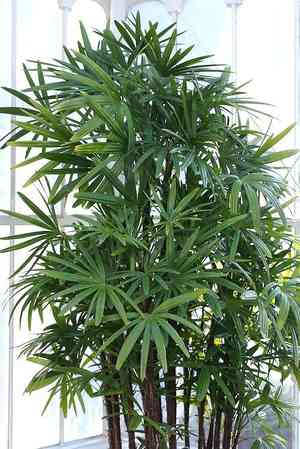
The Lady Palm flourishes in areas receiving abundant, diffused illumination.
2
It is capable of enduring brief exposures to both complete shade and direct sunlight.
3
The perfect indoor spot is close to a window providing filtered sunshine.
Optimal Illumination Conditions for Lady Palm
Vibrant, Diffused Light
The Lady Palm (Rhapis excelsa) is a robust and adaptable plant that flourishes under vibrant, diffused light. This entails placing it where it receives indirect sunlight, such as next to a north or east-facing window. Natural illumination softened by curtains or reflected from walls offers an ideal environment for this graceful plant. Avoiding intense sunlight helps maintain its foliage lush and verdant, preventing yellowing or browning.
Tolerance for Dim Light
A noteworthy characteristic of the Lady Palm is its ability to withstand low light conditions. This makes it a superb option for corporate spaces, dimly lit rooms, or areas with limited natural illumination. While growth might slow in reduced light, its health and appearance will remain good with minimal effort. However, prolonged exposure to very dim light could eventually stress the plant, so occasional rotation to brighter spots is beneficial.
Avoidance of Direct Sun Exposure
Direct sunlight, particularly during the peak hours of the day, can be harmful to the Lady Palm. Exposure to strong, undiluted sunbeams can lead to leaf burn, scorching, and dehydration. The leaves may develop brown tips or patches, clear indicators of sun damage. To prevent this, position the Lady Palm away from southern or western-facing windows, or use sheer drapes to filter the intense light.
How to Achieve Proper Indoor Lighting?
Placement Near Windows
For prime indoor development, position your Lady Palm near a window that provides natural light without being overly intense. North or east-facing windows are ideal, offering softer light. Placing the plant approximately 1-1.5 meters (3-5 feet) from the window can achieve the perfect light balance. This distance allows the plant to benefit from ample brightness while reducing the risk of direct sun exposure.
Utilization of Sheer Curtains
Sheer curtains are an excellent tool for regulating the light impacting your Lady Palm. These translucent drapes can soften strong sunlight, creating the bright, indirect light conditions that the plant prefers. Simply hang sheer curtains on windows receiving intense sunlight to transform direct rays into a more plant-friendly glow. This practice helps sustain the plant’s vibrant health by shielding it from the drying and damaging effects of direct sun.
Supplementing with Artificial Illumination
In settings where natural light is insufficient, artificial grow lights can effectively supplement your Lady Palm's needs. Employ LED or fluorescent grow lights to supply the appropriate light spectrum required for photosynthesis. Position the lights approximately 30 to 60 centimeters (12-24 inches) above the plant, aiming for about 12-14 hours of light daily. This arrangement mimics natural lighting and ensures consistent, dependable illumination for your plant.
Monitoring Light Levels
Indicators of Excessive Light
Regularly observing your Lady Palm can help you spot signs of overexposure to light. Symptoms include yellowing leaves, brown tips, and sunburnt spots. Furthermore, the plant might exhibit wilting or drooping foliage despite consistent watering. If these signs appear, it may be necessary to move the plant to a less bright area or use curtains to diffuse the light. Periodically cleaning the leaves can also help reduce light stress by improving the plant's respiration and light absorption.
Indicators of Insufficient Light
Conversely, inadequate light can cause your Lady Palm's leaves to appear dull and its growth to become sluggish. You might notice the plant stretching towards light sources, a phenomenon known as etiolation, indicating it craves more light. Ensuring your Lady Palm has consistent exposure to indirect light or supplementing with artificial light can correct these symptoms, maintaining the plant's vigor and health.
Sunlight Requirements for Outdoor Cultivation
Shaded Garden Locations
When planting a Lady Palm outdoors, selecting the appropriate site is essential. Choose areas with dappled shade or filtered sunlight, such as beneath large trees or beside taller garden structures that can block direct sun. This arrangement simulates the plant's native habitat and shields it from extreme sun exposure. The shaded garden area should receive approximately 3-6 hours of indirect sunlight daily, ensuring your Lady Palm flourishes in a balanced outdoor setting.
Protection from Direct Midday Sun
Given the risk of leaf scorching, it's crucial to protect outdoor Lady Palms from the intense midday sun. Consider using garden umbrellas, shade cloths, or strategically placed garden elements to create protective barriers. This allows the plant to enjoy morning or late afternoon sun while being protected during the harsh midday period. Regular mulching around the plant's base also helps maintain soil moisture and promotes robust growth.



