How Much Sunlight Do Valley oak Need?
1
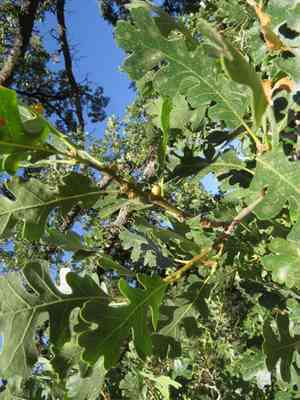
Valley oak trees flourish with ample sunlight, requiring a minimum of 6 hours of direct sun each day.
2
Leaves exposed to excessive sun may develop blisters, brown coloration, and fall off early.
3
Lack of adequate light can result in stunted development and discolored foliage.
Optimal Light Conditions for Valley Oak
Full Sun Requirements
The Valley oak is a magnificent tree recognized for its expansive branches and acorn yield. For these trees to thrive, ample direct sunlight is crucial. Full sun implies unobstructed sunlight for a minimum of six hours daily. Sunlight is essential for photosynthesis, the process where the tree converts light into energy for growth and development. Placing your Valley oak in an open area guarantees it receives sufficient sunlight.
Sunlight Duration and Intensity
Beyond full sun needs, the length and strength of sunlight are critical factors. The Valley oak flourishes best when exposed to sunlight during peak hours, typically from 9 AM to 3 PM. During these times, sunlight is most potent and advantageous. In summer, these trees can benefit from approximately 8-10 hours of daylight. The light's intensity should be strong enough to penetrate the canopy, ensuring all parts of the tree get adequate illumination.
Ensuring Proper Sunlight for Your Valley Oak
Selecting the Best Location
Choosing the correct site for your Valley oak is paramount. An open, sun-drenched spot is ideal. Avoid areas with significant shade from structures or other large trees that could block direct sunlight. A south-facing position often provides optimal sun exposure, especially in northern hemispheres like the United States.
Seasonal Changes and Adjustments
Sunlight requirements can fluctuate with the seasons. In winter, when sunlight is less intense and days are shorter, your Valley oak might not receive as much light as in summer. While minor adjustments are necessary, there's no need for excessive concern for mature trees as they are resilient. For younger trees, consider trimming nearby plants that might cast shadows. Ensuring balanced sunlight exposure throughout the year helps maintain the tree's health and vitality.
Signs Your Valley Oak Is Receiving Too Much or Too Little Sunlight
Symptoms of Sunburn
While Valley oaks adore sunlight, excessive intense sun can cause sunburn. Sunburn appears as scorched, blistered leaves that may turn brown and fall off prematurely. This typically affects younger plants with thinner bark. To prevent this, ensure gradual exposure to strong sunlight, allowing your tree to adapt.
Indicators of Insufficient Sunlight
Conversely, if your Valley oak isn't getting enough sunlight, it will show signs like pale, weak foliage and stunted development. The tree may stretch towards light sources, leading to irregular and feeble growth patterns. Regularly checking your tree for these indicators can help you modify its location or surrounding environment to improve sunlight exposure.
FAQs: Sunlight Needs for Valley Oak
Can Valley Oak Grow in Partial Shade?
While Valley oaks prefer full sun, they can endure partial shade. However, keep in mind that partial shade might slow their growth and impact the tree's overall health and vigor. If partial shade is unavoidable, ensure the tree still receives a good amount of direct sunlight daily, ideally morning or late afternoon sun.
Is Artificial Lighting Effective for Valley Oak?
Artificial lighting can be an option, especially for young oak seedlings or indoor growing conditions. However, it's not a substitute for natural sunlight. If you choose artificial light, use full-spectrum grow lights to mimic natural sunlight. Ensure the light is on for a period that provides a cumulative total of more than 6 hours of light exposure per day.



