How Much Sunlight Do Japanese emperor oak Need?
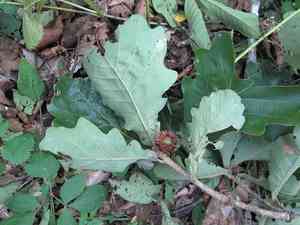
1
Japanese emperor oak flourishes in direct sunlight yet can endure some shade.
2
For robust development, ideal sun exposure exceeds 6 hours daily.
3
Insufficient light may lead to dull leaf coloration and hindered development.
Optimal Illumination Requirements for Japanese emperor oak
Ideal Daily Light Duration
The Japanese emperor oak ideally needs over 6 hours of sunlight daily to flourish. This amount of full sun ensures the tree can perform photosynthesis effectively, leading to vivid foliage and strong development. Positioning it where it gets unobstructed light is vital for its overall health.
Seasonal Light Fluctuations
While the Japanese emperor oak prefers consistent light throughout the year, it's important to consider seasonal changes. During summer, ensure the tree isn't excessively shaded by other plants or structures. In winter, when light is less abundant, it's less critical, but maximizing light exposure is beneficial.
Ensuring Proper Light for Japanese emperor oak
Selecting the Correct Planting Site
Choosing the perfect spot for your Japanese emperor oak is crucial. Pick a location that receives ample sunlight throughout the day. Avoid areas heavily shaded by larger trees or buildings. Ideally, a south- or west-facing site offers the best light conditions, ensuring your tree gets the full spectrum of sun.
Utilizing Shading and Lighting Aids
In some instances, strategic use of shading and lighting accessories can help manage sun exposure. For example, during extremely hot summers, providing temporary shade with shade cloths can protect the tree from intense midday sun. Conversely, if you live in a region with shorter daylight hours, consider using reflective materials around the tree's base to maximize light absorption.
Signs Your Japanese emperor oak Needs More or Less Light
Indicators of Light Deficiency
A Japanese emperor oak not receiving enough light will show several signs. Look for leaves that have lost their vibrant color, appearing pale or yellow. The tree's growth may become stunted, and branches could seem weak or thin. If you notice these symptoms, consider moving the tree to a sunnier spot or pruning back shading objects.
Symptoms of Excessive Sun Exposure
Conversely, too much sunlight can also be problematic, especially if it causes excessive heat. Signs of overexposure include scorched or dried leaves, which can become crispy and brown at the edges. If too much sun is the issue, use temporary shading solutions during peak sun hours to reduce damage.
Common Questions About Light for Japanese emperor oak
Can Japanese emperor oak Grow in Partial Shade?
Yes, the Japanese emperor oak can tolerate partial shade, but it's not optimal for peak growth. In partial shade, expect slower growth rates and less vibrant foliage. If partial shade is unavoidable, try to ensure the tree still receives at least 3-4 hours of direct sunlight daily.
What is the Best Type of Light for Indoor Japanese emperor oak?
For those growing a Japanese emperor oak indoors, ensuring sufficient light exposure can be challenging but achievable. Place the tree near south or west-facing windows where it can receive maximum direct sunlight. If natural light is insufficient, supplement with full-spectrum grow lights to mimic natural sunlight and support healthy development.



