How Much Sunlight Do Burmese rosewood Need?
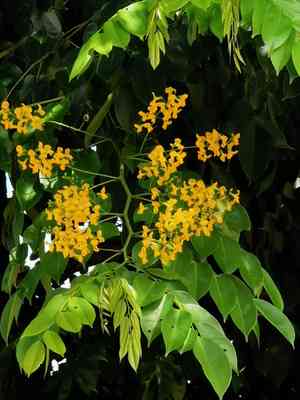
1
Burmese rosewood flourishes optimally in direct sunlight, requiring more than 6 hours of sun each day.
2
This adaptable plant is also able to withstand some shade, though its development might be less vigorous.
3
For indoor cultivation, position your Burmese rosewood by a south-facing window to ensure sufficient light.
Understanding Burmese rosewood Illumination Needs
Native Environment Lighting Conditions
The Burmese rosewood, originating from Southeast Asia, naturally thrives in settings that offer abundant direct solar exposure. In its natural habitat, this plant experiences full sun, meaning it gets at least 6 hours of direct sunlight daily. These circumstances enable the Burmese rosewood to flourish under high light, providing the energy needed for vigorous growth and development.
Photosynthesis and Illumination Requirements
Photosynthesis is a vital process for the Burmese rosewood, as it is for all flora. Light is absorbed by the chlorophyll in the foliage and utilized to convert carbon dioxide and water into glucose and oxygen. For the Burmese rosewood, ample sunlight means more efficient photosynthesis, leading to healthier, stronger plants. Recognizing this, providing sufficient light is crucial for fostering robust growth and maintaining overall plant vitality.
Optimal Sunlight for Burmese rosewood
Ideal Solar Exposure
The best conditions for a Burmese rosewood involve full sun exposure, where the plant can receive direct sunlight for over 6 hours daily. Ideally, position it in a spot where it can enjoy unobstructed sunlight, such as an open garden area or a south-facing balcony.
Impacts of Excessive Sunlight
While the Burmese rosewood thrives in full sun, overly intense sunlight, particularly during midday, can cause leaf scorching. Signs of leaf burn include browning at the leaf edges and discolored spots. If you observe these symptoms, consider offering light shade during the hottest part of the day or gradually acclimating the plant to strong sunlight to prevent shock.
Impacts of Insufficient Sunlight
Conversely, inadequate sunlight can hinder the growth of your Burmese rosewood. A lack of sufficient light can result in etiolated growth, where the plant stretches toward a light source, leading to weak and elongated stems. Ensure the plant receives proper sunlight by periodically relocating it to an optimal position.
Adjusting Light for Indoor Burmese rosewood
Best Indoor Placements
When cultivated indoors, selecting the correct location for your Burmese rosewood is essential. Place it near a south-facing window where it can obtain bright, direct sunlight for most of the day. If a south-facing window isn't available, east or west-facing windows can also work, but the plant might need occasional repositioning to ensure it gets enough light.
Supplemental Lighting Advice
In situations where natural light is insufficient, additional lighting can be beneficial. Utilize full-spectrum grow lights positioned approximately 30-45 centimeters (12-18 inches) above the plant, providing about 10-12 hours of light daily. This setup ensures the Burmese rosewood receives the necessary light for healthy growth, mimicking natural sunlight conditions indoors.
Seasonal Light Changes and Adaptations
Adapting to Seasonal Light Fluctuations
Seasonal shifts significantly impact sunlight availability. During winter, days are shorter, and sunlight is less intense. Adjust your Burmese rosewood's placement to maximize light exposure by moving it closer to windows or increasing supplemental lighting. In contrast, summer months offer abundant light, and it's crucial to monitor the plant for signs of overheating or sun stress.
Signs of Light Stress Across Seasons
Light stress can manifest through various indicators. During winter, look for slowed growth or yellowing leaves, suggesting insufficient light. In summer, signs of too much light include leaf burn and browning edges. Monitoring these clues helps in timely adjustments to lighting conditions, ensuring your Burmese rosewood remains healthy year-round.
Common Issues Related to Burmese rosewood Light Exposure
Identifying Leaf Scorch and Discoloration
Leaf scorch and discoloration are frequent problems caused by excessive sunlight. Brown, crispy leaf edges, and spotted discoloration are clear indicators. If you notice these, consider providing partial shade or moving the plant to an area with filtered sunlight to prevent further harm.
Addressing Leggy Growth
Leggy growth is a direct consequence of inadequate light. Stems become elongated, and leaves appear sparse as the plant stretches towards light. Counteract this by ensuring a consistent and ample light source. Pruning overly leggy stems can also encourage a bushier and more compact growth habit.
Solutions for Common Light Problems
To resolve common light issues, regularly assess your Burmese rosewood's light exposure and make necessary adjustments. For leaf burn, increasing distance from a window or shading during peak hours can help. For etiolated plants, supplementing with grow lights or finding a sunnier spot can be effective. These proactive measures ensure your plant remains vibrant and healthy.



