How Much Sunlight Do Blackthorn Need?
1
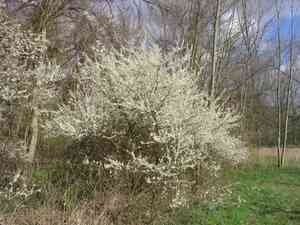
For optimal health, Blackthorn requires more than six hours of unfiltered sunlight daily.
2
Though Blackthorn tolerates some shade, it reaches its full potential when exposed to direct sun.
3
Adequate sunlight levels contribute to superior bloom and berry development in Blackthorn.
Why is Sunlight Essential for Blackthorn?
Photosynthesis and Development
Sunlight is vital for Blackthorn as it powers photosynthesis – the process through which plants convert light into usable energy. This energy is critical for the plant's overall growth and maturation. Sufficient sunlight ensures Blackthorn can efficiently produce the carbohydrates required for development, resulting in a strong and thriving specimen.
Bloom and Berry Production
Sunlight directly impacts the blooming and fruiting cycles of Blackthorn. Greater sun exposure leads to enhanced flower output and, consequently, a larger yield of fruits. Full sun is particularly crucial during active growth phases to guarantee the plant reaches its full reproductive capability, offering beautiful blossoms and abundant berries.
Ideal Sunlight Exposure for Blackthorn
Full Sun Needs
Blackthorn flourishes when it receives full sun, meaning six or more hours of direct daylight daily. This level of light promotes healthy foliage, robust development, and profuse flowering and fruiting. It's best to position your Blackthorn in an open spot where it can absorb sunlight throughout the entire day.
Tolerance for Partial Shade
Although Blackthorn prefers ample sunlight, it can endure partial shade. If consistent full sun isn’t feasible, ensure the plant gets at least 2-4 hours of direct sun complemented by filtered light for the remainder of the day. Plants in partial shade might not produce as many flowers and fruits as those in full sun.
How to Ensure Ample Sunlight for Blackthorn
Optimal Planting Spots
For maximum sunlight reception, place Blackthorn in a south or west-facing location. These orientations guarantee the plant receives the most direct sunlight throughout the day. Avoid positioning it too close to structures or large trees that might create significant shade.
Seasonal Light Changes
Be aware of seasonal shifts that influence sunlight availability. In winter, the sun is lower, which can decrease the direct light the plant gets. Conversely, the summer sun is higher and provides more consistent and extended exposure. Adjust your care to support the plant during these varying periods.
Utilizing Reflective Materials and Pruning
To boost sunlight exposure for Blackthorn, consider incorporating reflective elements like light-colored stones or walls to direct light onto the plant. Additionally, regular trimming helps maintain a shape that maximizes light penetration to all parts of the plant, ensuring balanced growth and minimizing shading within the plant's structure.
Common Sunlight Challenges and Solutions for Blackthorn
Indicators of Insufficient Sunlight
If Blackthorn isn't getting enough sunlight, it might show signs of stunted growth, fewer blooms, and reduced fruit. Leaves could become pale or fall off prematurely. If you observe these symptoms, evaluate the light exposure and consider moving the plant or trimming nearby vegetation to increase sunlight.
Rectifying Overexposure
While Blackthorn loves sunlight, extreme heat and excessive direct sun can lead to leaf scorch or arid conditions that stress the plant. If overexposure is a problem, provide some shade using horticultural fabric during the hottest part of the day, particularly in the peak summer months.
Adapting Light Conditions in City Environments
Urban settings often pose unique difficulties such as building shadows. In these areas, take advantage of any available full sun windows and use reflective or white-painted surfaces to bounce light onto the plant. Growing in containers can also be a practical solution, allowing flexibility to reposition the plant according to sunlight.



