How Much Sunlight Do Sour cherry Need?
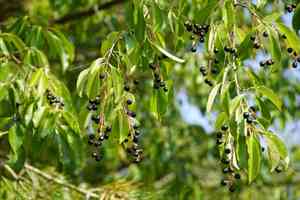
1
Sour cherry trees require a minimum of 6 hours of direct sun exposure each day.
2
Insufficient sunlight can lead to diminished fruit yield.
3
Sour cherry trees can endure some shade, but flourish most in complete sunlight.
Optimal Light Conditions for Sour Cherry Trees
Required Daily Sun Exposure
For peak development and fruit production, Sour cherry trees need ample sun, meaning they should receive at least 6-8 hours of direct sunlight daily. Ensuring proper light promotes strong growth, reduces disease susceptibility, and yields a healthy harvest.
Seasonal Light Fluctuations
While Sour cherry trees thrive with abundant sunlight, this requirement can vary slightly by season. During active growth, especially spring and summer, they need maximum light. Conversely, in fall and winter, when dormant, less sun is less critical. However, positioning the tree for year-round ample sunlight remains vital.
Regional Considerations
Geographical location influences the amount of sunlight Sour cherry trees receive. For example, trees in southern areas generally get more sun than those in northern regions. If you're in a cloudy or long-winter area, plant your Sour cherry in a south-facing spot to maximize sun exposure.
Why Sunlight is Crucial for Sour Cherry
Photosynthesis and Development
Sunlight is essential for photosynthesis, the process where Sour cherry trees convert light energy into chemical energy for growth. Sufficient sunlight ensures leaves produce enough food for the tree, leading to healthy branches, vibrant green foliage, and overall vigorous development.
Fruit Yield and Quality
Adequate sunlight directly impacts the quantity and caliber of fruit produced. Without enough sun, you might observe fewer blossoms, resulting in fewer cherries. Additionally, developing fruits may be smaller, less flavorful, and paler. Thus, ensuring ample sunlight leads to a plentiful, high-quality harvest.
Indicators Your Sour Cherry Lacks Sunlight
Leaf Discoloration or Shedding
A primary sign of insufficient sunlight is yellowing leaves, which may then fall off. This occurs because the tree cannot produce enough chlorophyll, the pigment responsible for green leaves and crucial for photosynthesis.
Poor Bloom Development
A Sour cherry tree not receiving enough sunlight may also exhibit poor flowering. Fewer blossoms mean a lower fruit set, directly impacting your harvest.
Reduced Fruit Output
The quality and quantity of cherries can diminish if the tree lacks necessary sunlight. Small, less juicy, and less sweet cherries clearly indicate your tree might be struggling with light deficiency.
Maximizing Sunlight for Sour Cherry Trees
Optimal Planting Sites
Select a location that receives full sun for most of the day, ideally facing south. Avoid planting near large structures or shaded areas that could restrict light access.
Pruning for Enhanced Light Penetration
Regular pruning helps ensure sunlight reaches all parts of the tree. Remove any dead or overcrowded branches that might block light from lower sections of the tree.
Utilizing Reflective Mulch
Consider applying reflective mulch around the tree's base. This can help direct sunlight onto lower branches, ensuring more uniform light distribution across the tree.
Common Sunlight-Related Problems and Solutions
Sunburn on Foliage and Fruit
In areas with intense sunlight, leaves and fruits can suffer sunburn, appearing scorched or bleached. This can be alleviated by providing partial shade during peak heat or using a breathable cover during heatwaves.
Shade from Nearby Structures or Plants
Adjacent buildings or taller trees can cast shadows over your Sour cherry. If relocation isn't possible, trim back other plants or adjust the layout to ensure the tree gets sufficient light.
Overcast and Cloudy Regions
In areas with frequent cloud cover, maximize available sunlight by choosing the sunniest planting spot. Using supplemental lighting, like grow lamps, during extended cloudy periods can also be beneficial.



