How Much Sunlight Do King protea Need?
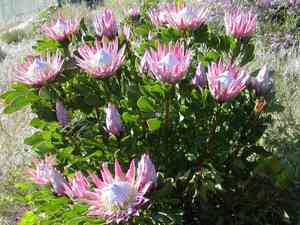
1
King protea flourishes optimally with a minimum of 6 hours of direct sun daily.
2
Excessive direct solar exposure can lead to leaf scorching for King protea.
3
Under insufficient light, King protea might display retarded development and diminished bloom production.
Optimal Sunlight Conditions for King protea
Full Sunlight Requirement
Regarding illumination, the King protea is truly heliophilic. This species flourishes under direct sun exposure, necessitating a minimum of six hours of direct solar radiation each day for peak development and floral production. Sufficient light facilitates the formation of its characteristic large, vividly colored blooms and supports overall plant vitality. If you intend to incorporate this spectacular plant into your landscape, ensure it's situated in an area that receives sunlight for the majority of the day.
Duration of Exposure
For the King protea to genuinely thrive, it's crucial to guarantee it obtains the appropriate duration of solar exposure. Ideally, aim for at least 6-8 hours of unfiltered sunlight daily. This timeframe supports the plant's growth, blooming cycles, and general vigor. During extended summer days, be mindful of providing consistent light access to maintain your King protea's health.
Seasonal Light Variations
Seasonal shifts can influence the amount of solar radiation your King protea receives. During spring and summer, when light is abundant, the plant will benefit significantly. However, in autumn and winter, you may observe reduced daylight hours. If cultivating King protea in regions with notable seasonal light fluctuations, consider relocating containerized plants to brighter spots or employing supplemental illumination to ensure adequate light throughout the year.
Effects of Too Much Sunlight on King protea
Signs of Sunburn
While King protea thrives in sunshine, excessive direct exposure, particularly during peak hours, can lead to scorching of its foliage. Indicators of sunburn include browning or blanching of leaf margins, spotting, or an overall charred appearance. It is crucial to monitor your plants on exceptionally hot days to avert irreversible damage.
Preventive Measures
To safeguard your King protea from excessive solar exposure, gradually introduce young plants to full sun rather than immediately placing them in intense direct light. During periods of peak sunlight, especially in summer, consider deploying a temporary shade cloth or offering partial shade for a few afternoon hours. This can help your plant avoid the most intense rays and lessen the potential for sunburn.
Adjusting Exposure During Intense Heat
In areas experiencing exceptionally high temperatures, modulating the sunlight exposure for your King protea can be vital. On particularly sweltering days, move containerized plants to a more shaded location in the afternoon when the sun is strongest. For garden-planted specimens, erecting temporary shading can help alleviate the intense heat. Occasional relief from the sun during such periods significantly contributes to the plant's well-being.
Insufficient Sunlight Exposure for King protea
Recognizing Signs of Low Light Levels
Inadequate light can impede the King protea's development and blossoming. Indicators that your plant is not receiving enough sunlight include elongated stems and sparse foliage, a condition known as etiolation, slowed growth, and an absence of flowering during its typical blooming period. Observing these signs can prompt timely intervention before the plant's health is severely compromised.
Corrective Actions
If you observe your King protea struggling due to insufficient light, relocate the plant to a more luminous position with improved light access. Pruning back any encroaching vegetation that casts shadows on the plant can also enhance light availability. Ensuring your plant receives a minimum of six hours of daily sunlight can revitalize its health and encourage vibrant blooms.
Supplementing Light
In situations where natural sunlight is scarce, such as during winter months or in shaded garden zones, consider utilizing grow lights as an auxiliary light source. Position the grow lights approximately 30-45 centimeters (12-18 inches) above the plant and operate them for up to 12 hours daily to emulate natural sunlight. This strategy can help maintain the necessary light levels for your King protea's growth and flowering.
Tips for Managing Sunlight for King protea
Choosing the Right Location
Selecting the optimal site for your King protea is fundamental to its prosperity. Opt for a location that receives full sun for the majority of the day, typically between 6-8 hours. An ideal spot would be a south-facing garden area, as it generally receives the most solar exposure. For potted plants, position them in bright, sunny areas, either on patios or windowsills that get abundant light.
Monitoring Environmental Changes
Vigilantly observing seasonal variations and alterations in sunlight can assist you in better managing your King protea's light exposure. Throughout the year, track the sun's trajectory and implement necessary adjustments to guarantee your plant consistently receives adequate light. Employing a sunlight meter can also furnish precise measurements of the light levels your plant is experiencing daily.
Using Shades and Filters
To mitigate extreme sunlight, especially on hot summer days, employ shades and filters. Shade cloths offer a permeable barrier that diminishes the intensity of solar radiation without completely obstructing it. For potted King protea, you can utilize UV-filtering canopies or umbrellas to create diffused light conditions, safeguarding them from the harshest sun rays.



