How Much Sunlight Do Australian cheesewood Need?
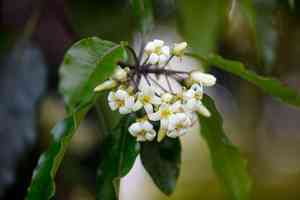
1
Australian cheesewood flourishes optimally in direct sun, though it can endure some dappled light.
2
Confirm Australian cheesewood gets a minimum of six hours of sun each day for peak development.
3
Monitor your Australian cheesewood's condition to assess if changes in light exposure are necessary.
Grasping the Sunlight Requirements of Australian cheesewood
Native Environment and Light Conditions
In its natural setting, the Australian cheesewood thrives under abundant solar exposure. It originates from areas rich in sunlight, enabling it to develop into a robust and resilient specimen. When cultivated in comparable conditions, this plant can reach its full potential, displaying lush foliage and vibrant blossoms.
Photosynthesis Process in Australian cheesewood
Photosynthesis is vital for the Australian cheesewood, converting solar energy into the power needed for growth. Its leaves capture sunlight, which chlorophyll transforms into chemical energy. This energy fuels the plant, promoting healthy development and strong, green leaves. Adequate sunlight ensures efficient photosynthesis, allowing the Australian cheesewood to flourish in your garden or home.
Optimal Sunlight Conditions for Peak Growth
Full Sun vs. Partial Shade
For best growth, the Australian cheesewood prefers full sun, meaning it should get over 6 hours of direct sunlight daily. However, it is adaptable and can tolerate some shade, especially during the hottest parts of the day. This versatility makes it a good choice for various garden spots, whether a sunny patio or a partly shaded yard.
Seasonal Changes in Sunlight Needs
The Australian cheesewood's sunlight requirements can change with the seasons. During its active growth period, from spring to early fall, it thrives with extended sun exposure. Conversely, in winter, the plant can manage with less sunlight. It's important to adjust its placement accordingly, perhaps moving it to a brighter indoor spot or ensuring it still catches the milder winter sun outdoors.
Monitoring and Adjusting Sunlight Exposure for Australian cheesewood
Using Light Meters and Observing Plant Vigor
To ensure your Australian cheesewood gets enough sunlight, consider using a light meter. This tool provides precise readings of light levels where your plant is located. Also, observe the plant's overall health. Healthy green leaves and steady growth indicate proper sunlight, while yellowing leaves or stunted growth may signal a need for adjustment.
Signs of Excessive or Insufficient Sunlight
Understanding the indicators of irregular sunlight is crucial. If the Australian cheesewood receives too much sun, you might notice scorched or brown-tipped leaves, especially during intense afternoon sun. On the other hand, too little sunlight can lead to pale, yellowing leaves and a leggy appearance. Recognizing these signs early allows for prompt correction and prevents lasting damage.
Adjusting Plant Placement and Structure for Better Sunlight
Adjusting the plant's location is a practical way to ensure optimal sunlight. If grown indoors, place it near a south-facing window for maximum light. Outdoors, position it in an open area where it can receive sunlight for most of the day. For partial shade environments, consider using garden structures like pergolas to provide sun protection during peak hours while still allowing sufficient light.
Common Sunlight Mistakes to Avoid for Australian cheesewood
Overexposure: Risks and Solutions
Excessive sunlight can be harmful, causing leaf burn and stress to the plant. To prevent this, gradually introduce the Australian cheesewood to full sun when moving it from a shaded area. If overexposure is detected, relocate the plant to a partially shaded spot or use shading cloths during peak sunlight hours to shield it from intense rays.
Underexposure: How to Ensure Adequate Light
Insufficient light is also a common problem. To fix this, ensure the Australian cheesewood is placed in a location that receives ample light, especially morning sun, which is less intense than afternoon sun. If growing indoors, artificial grow lights can supplement natural light, maintaining the plant's health and promoting vigorous growth throughout the year.



