How Much Sunlight Do Terebinth tree Need?
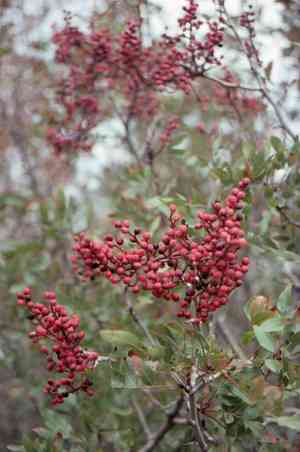
1
The Terebinth tree flourishes optimally in abundant sunshine, requiring more than six hours of direct light daily.
2
A Terebinth tree in shade might develop elongated stems and experience hindered development.
3
Placing your Terebinth tree in an eastward-facing garden guarantees it gets sufficient morning sun while evading intense afternoon light.
Understanding Terebinth tree Light Requirements
Why Light is Essential for Terebinth tree Development
Light provides vital energy for photosynthesis, the process plants use to convert light into the sustenance they need to grow. For the Terebinth tree, light is especially crucial as it supports its vigorous growth, vibrant foliage, and disease resistance. Without sufficient light, the Terebinth tree cannot produce enough food, leading to weak and underdeveloped plants. Furthermore, light enhances the tree's immunity, making it more resilient against pests and environmental stressors.
Typical Light Needs of a Terebinth tree
The Terebinth tree originates from regions that receive abundant sunshine, meaning it has evolved to flourish in full sun conditions. This tree requires a minimum of 6 hours of direct sunlight daily to maintain its health and vitality. When situated in a location that gets ample light, the Terebinth tree displays robust growth and rich green leaves. Insufficient light can result in slow growth and a dull appearance.
Optimal Light Conditions for a Flourishing Terebinth tree
Ideal Illumination Levels
For peak growth, position your Terebinth tree in an area where it can receive at least 6 to 8 hours of direct sunlight daily. Full sun promotes dense foliage and a sturdy trunk, supplying the tree with the necessary energy to support its development. Be mindful of planting it in a spot that avoids excessive shading from structures or other trees. Trees in partial shade will not thrive and may exhibit poor foliage and overall health.
Day Length and Seasonal Changes
The Terebinth tree adapts well to varying day lengths and seasonal shifts but still prefers longer daylight hours during its active growth period. In summer, when days are longer, the tree benefits from increased light exposure, which encourages vigorous growth. However, in winter months, when daylight hours are shorter, the Terebinth tree may enter a dormant phase, slowing its growth. Ensuring it gets ample light during the growing season can help it withstand less favorable winter conditions.
Common Issues Due to Incorrect Light
Signs of Insufficient Light
A Terebinth tree suffering from inadequate light will often show slow growth, pale or yellowing leaves, and a leggy appearance. The tree may also produce fewer or smaller leaves, and overall vigor can decline, making it vulnerable to diseases and pests. If you notice these signs, consider moving the tree to a sunnier spot or pruning nearby plants that might be blocking light.
Symptoms of Excessive Sun Exposure
While the Terebinth tree is well-suited to full sun, extreme heat and excessive light can cause leaf scorch, where the leaf edges turn brown and crispy. This can be a particular concern in hotter climates or during heatwaves. To alleviate this, ensure the tree receives sufficient water and consider using mulch to retain soil moisture and keep the roots cool. Providing partial shade during the hottest part of the day can also protect the tree from sunburn.
How to Optimize Light for Your Terebinth tree
Best Practices for Placement
To maximize light exposure, plant your Terebinth tree in a location with unobstructed access to the sun, such as a south-facing area. Avoid spots where buildings or other structures might cast shadows during peak sunlight hours. An east-facing garden is also a good choice as it provides morning sun and shields from the intense afternoon heat.
Utilizing Supplemental Lighting
If natural light is insufficient, especially during colder months, supplementing with artificial lights can be beneficial. Use grow lights that mimic the full spectrum of sunlight and position them close to the tree, ensuring they illuminate all parts of the plant. Keep the lights on for approximately 12-16 hours daily to simulate natural daylight conditions.
DIY Solutions for Light Management
If relocating your tree isn't feasible or if you need to better manage light exposure, consider using reflective surfaces like aluminum foil or whiteboards to direct more light onto the tree. Placing your Terebinth tree near a reflective wall can also enhance its light exposure. Additionally, regularly rotating the tree ensures all sides receive equal light.



