How Much Sunlight Do Chinese money plant Need?
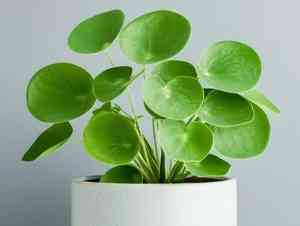
1
A Chinese money plant prospers in ample, filtered illumination.
2
Refrain from exposing your Chinese money plant to direct sunbeams for extended durations.
3
Turn the plant routinely to guarantee uniform light distribution.
Optimal Illumination Requirements for Pilea peperomioides
What is the Most Favorable Light for Pilea peperomioides?
The Pilea peperomioides flourishes best under vibrant, diffused illumination. This entails positioning the plant near a window with filtered light or in an area that gets abundant ambient light without direct sun exposure. Morning sun is perfect due to its lower intensity, providing a gentle start to the day for your plant.
Significance of Indirect Illumination
Indirect light is vital for the Pilea peperomioides as it emulates the natural conditions of its native habitat. In the wild, this plant grows beneath the canopy of taller flora, receiving scattered light. By replicating these conditions, you guarantee the plant can photosynthesize effectively without risking leaf burn or wilting.
Preventing Excessive Direct Sun Exposure
Exposing the Pilea peperomioides to direct sunlight, particularly during peak hours, can be harmful. The strong rays may cause leaf scorching, leading to brown spots and brittle edges. To avoid this, utilize sheer drapes or position the plant several feet from windows. Always observe the plant's reaction to its light environment and make adjustments as needed.
Indicators Your Pilea peperomioides is Receiving Adequate Light
Lively Leaf Color and Development
A Pilea peperomioides thriving in proper light will display vivid, green leaves. The foliage will be luxuriant and show new growth regularly. If your plant maintains a consistent growth pattern without pale or yellowing leaves, it is likely getting optimal light conditions.
Firm and Upright Stems
Stems should be sturdy and stand erect if the plant is receiving sufficient illumination. Limp or sprawling growth indicates inadequate lighting. Periodically check the stems' firmness and adjust the plant’s light exposure to preserve its structural integrity.
Common Lighting Challenges for Pilea peperomioides
Consequences of Insufficient Light for Your Pilea peperomioides?
Inadequate light can result in leggy growth, where the plant stretches towards the light source, leading to elongated and weak stems. Furthermore, leaves may become pale and fall off as the plant struggles to sustain itself. Relocating it to a brighter spot can often resolve these issues.
Symptoms of Overexposure to Sunlight
Excessive sunlight manifests as scorched leaves with brown, crispy spots or margins. The plant may also appear wilted despite sufficient watering. If these signs are apparent, lessen the light intensity by moving the plant away from direct sunlight and providing filtered light instead.
Remedial Actions for Lighting Problems
If your Pilea peperomioides is suffering from too much or too little sunlight, prompt corrective measures can help. For excessive light, move it to a more shaded area and/or employ curtains to diffuse the sunlight. For insufficient light, place it nearer to a window or supplement with artificial illumination. Consistent rotation of the plant ensures uniform light exposure and balanced development.
Optimizing Indoor Lighting for Pilea peperomioides
Best Locations in Your Home for Pilea peperomioides
The ideal placement for a Pilea peperomioides is close to an east or north-facing window, where it can receive abundant bright, indirect light. Avoid situating the plant in completely shaded zones or directly beside south or west-facing windows without diffusing the light. These positions typically offer the best light balance for healthy growth.
Utilizing Supplemental Lighting When Necessary
When natural light is insufficient, particularly during winter months or in rooms with limited windows, supplemental lighting can be beneficial. Full-spectrum LED grow lights are an excellent choice and can be programmed to operate for approximately 12 hours daily to simulate natural daylight. Position the grow lights about 30-60 cm (12-24 inches) from the plant for best outcomes.
Seasonal Lighting Requirements for Pilea peperomioides
Adjusting to Seasonal Light Variations
As seasons shift, so do the light conditions within your home. During summer, sunlight is more intense, and your Pilea peperomioides may need to be moved further from windows or shielded by sheer curtains. Conversely, the shorter, darker days of winter might necessitate closer placement to windows or the use of artificial lighting.
Winter Care Advice for Pilea peperomioides
In winter, reduced light levels and shorter days demand a bit more care. Position your Pilea peperomioides near a south or west-facing window to maximize daylight exposure. Additionally, keep the plant away from cold drafts and ensure the indoor temperature remains within a comfortable range for the plant (18-24°C or 64-75°F).



