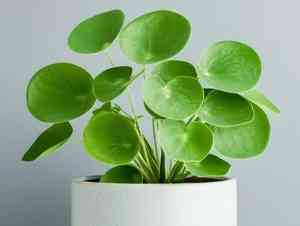
Chinese money plant (Pilea peperomioides)
Also known as: Missionary plant, Lefse plant, Pancake plant
The Chinese money plant stands out as a houseplant due to its distinctive, round, and glossy leaves, which can reach up to 15 cm in diameter. While it does occasionally bloom with small white flowers, the primary attraction lies in its unique and eye-catching foliage.
In This Article
Plant Comprehensive Care Guide: Beginner's Introduction and Key Details
Perfect for beginners starting their plant care journey
→
10 Secrets to Making Chinese money plant Grow Faster (A Must-Read for Beginners)
Advanced tips to accelerate your plant's growth
→
Care "Black Tech": 10 Little-Known Highly Effective Maintenance Tips
Expert-level techniques for optimal plant care
→
Attributes of Chinese money plant
Lifespan
Perennial
Plant Type
Herb
Plant Height
30 cm
Spread
30 cm
Leaf Color
Green
Flower Size
2.5 cm
Flower Color
Green White Pink Cream
Images of Chinese money plant
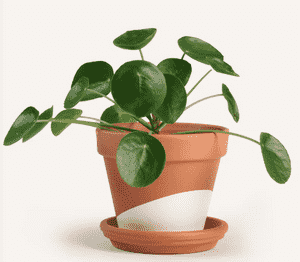
Quickly Identify Chinese money plant
1
Pilea peperomioides is easily identified by its round, peltate leaves that are attached to long, thin petioles. The leaves are bright green and have a pancake-like appearance. The plant itself generally has a bushy, compact growth habit.
Scientific Classification of Chinese money plant
Phylum
Vascular plants
Class
Dicotyledons
Order
Roses, elms, figs, and allies
Family
Nettle
Genus
Clearweed
Species
Chinese money plant
Planting and Growing of Chinese money plant
Care Difficulty
Easy
Watering Schedule
Every 3 days
Sunlight Requirements
Partial sun
Sunshine Duration
4-8 hours
Ideal Temperature
65-75℉
Soil Type
Potting Mix, Peat Mix
Soil pH
6-7.5
Fertilizer Type
Balanced
Pruning Season
Spring, Summer
Pruning Area
Branches, Leaves
Pruning Frequency
2 times a year
Repotting Season
Spring
Pot Type
Plastic, Ceramic
 How to Water Chinese money plant?
When watering Pilea peperomioides, aim to drench the soil until water drains from the pot's bottom. This ensures the roots receive adequate moisture. Be sure to use approximately 250 ml of water each session, adjusting based on season and humidity.
More About Watering Techniques→
What are the symptoms of an underwatered Chinese money plant?
›
What should I do if my Chinese money plant is not getting enough water?
›
What are the symptoms of an overwatered Chinese money plant?
›
How to save an overwatered Chinese money plant?
›
 What Are the Sunlight Requirements for Chinese money plant?
Partial sun to full indirect sunlight suits Pilea peperomioides, balancing between shade and direct exposure. Ideal light conditions promote lush green foliage, vigorous growth, and prevent potential leaf damage.
More About Sunlight Requirements Techniques→
What is the ideal lighting environment for Pilea peperomioides?
›
How can I achieve this ideal lighting condition?
›
What are the benefits of providing the ideal light for this plant?
›
 What Is the Ideal Temperature Range for Chinese money plant?
Pilea peperomioides thrives best within a temperature range of 65°F to 75°F (18°C to 24°C). This range provides the optimal conditions for its growth and ensures the plant remains healthy. Within this range, the plant's physiological processes are most efficient, promoting robust foliage and potential flowering. Maintaining temperatures within these limits helps avoid stress that can lead to diseases and poor growth.
 What Soil is Best for Chinese money plant?
Pilea peperomioides requires a well-draining soil mix to prevent root rot. A mixture that allows excess water to escape while retaining essential moisture is ideal for this plant's growth. This plant thrives in soil that is moderately rich in organic matter to provide necessary nutrients. Compost or organic fertilizers can help maintain the soil's fertility, promoting healthier leaves and stems. Loosely packed soil with a good aeration is crucial for proper root development. This allows roots to breathe and absorb nutrients efficiently, ensuring a robust plant growth.
More About Soil→
 How to Fertilize Chinese money plant?
Pilea peperomioides responds well to a balanced fertilizer with an NPK ratio around 10-10-10 or 20-20-20. Use half the recommended dose on the package to avoid overfeeding. This helps prevent nutrient burn and allows the plant to steadily absorb nutrients necessary for its unique foliage growth.
More About Fertilizing Techniques→
 How to Prune Chinese money plant?
Begin by identifying any yellowing, leggy, or damaged stems. These should be your first targets for removal, to improve the overall health and appearance of your plant. Shape your Pilea by trimming stems that are growing outward in a haphazard manner. Aim to create a balanced, rounded form that allows even light distribution. Pinch off the tips of longer stems to encourage bushier growth. This can lead to a more compact plant with lush foliage, increasing its aesthetic appeal. Collected cuttings should be discarded appropriately or can be used for propagation if desired. This practice helps keep your gardening space tidy and reduces the risk of disease.
More About Pruning Techniques→
 How to Propagate Chinese money plant plant?
1
Choose a mature, healthy Pilea peperomioides plant that displays no signs of disease or pest infestations to ensure successful propagation.
2
Cut a section of the stem with at least a few leaves attached. Aim to make the cut right below a node as this encourages root growth.
3
Place the cuttings in a small pot filled with well-draining soil. Position them so the node is buried, and keep the soil lightly moist.
 How to Repot Chinese money plant plant?
1
The ideal time to repot your Pilea peperomioides is when you notice roots coming out of the drainage holes or the plant begins to look top-heavy. Another signal is when the soil dries out too quickly after watering, indicating that the roots have filled the pot, and it's time to give your plant more room to grow.
2
When selecting a pot for your Pilea peperomioides, opt for one that is 1-2 inches larger in diameter than the current pot. Ensure it has good drainage holes to prevent water from stagnating at the bottom, which can lead to root rot. A slightly larger pot will encourage healthy growth without overwhelming the plant with too much new soil.
3
Choose a well-draining potting mix, ideally one designed for houseplants or succulents to prevent waterlogging. The mix should contain components like peat moss, perlite, or sand, which encourage good air circulation and reduce the risk of root rot by allowing excess water to escape quickly.



