How Much Sunlight Do Blushing philodendron Need?
1
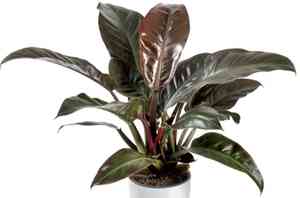
The Blushing philodendron flourishes optimally with filtered light and must be shielded from intense, direct sunbeams.
2
Ideal illumination involves around 3-6 hours of diffused daylight daily.
3
While this botanical can endure complete darkness, its development might be considerably hindered.
Optimal Lighting Conditions for Blushing Philodendron
Requirements for Diffused Light
The Blushing philodendron thrives in well-lit, but indirect, conditions. Position your plant near windows where sunlight is filtered, avoiding direct exposure to harsh sunbeams. Spaces equipped with sheer drapes or window blinds are excellent for softening light, creating an ideal habitat. Aim for 3-6 hours of indirect sunlight daily.
Impacts of Direct Sunlight Exposure
Unfiltered sun can be excessively harsh for the Blushing philodendron. Prolonged exposure to direct rays can cause leaf scorching, manifested as brown or discolored patches. This plant's natural setting beneath a forest canopy means it's adapted to dappled light, and replicating this environment at home is vital for robust growth.
Determining Light Levels for Blushing Philodendron
Assessing Natural Illumination at Home
When selecting the best spot for your Blushing philodendron, observe the path of natural light in your living space. East-facing windows offer gentler morning light, making them a superb choice. South and west-facing windows can also provide good illumination, but it's essential to use sheer curtains to soften intense midday and afternoon sun.
Utilizing Supplemental Lighting
If natural light is scarce, artificial illumination serves as an effective substitute. Full-spectrum fluorescent lamps or LED grow lights can mimic natural sunlight, providing adequate light for your Blushing philodendron. Position the artificial light source approximately 12-24 inches (30-60 cm) above the plant for optimal benefit.
Indicators of Insufficient or Excessive Light
Monitoring your Blushing philodendron for signs of light stress is crucial. Inadequate light typically leads to elongated growth, where the plant stretches towards the light source, appearing leggy and weak. Conversely, too much light will result in scorched foliage with crispy, brown edges. Adjust the plant's placement if these symptoms appear.
Optimal Locations for Your Blushing Philodendron
Recommended Indoor Placements
Indoors, the Blushing philodendron flourishes in locations offering bright, filtered light. Ideal spots include areas near east or north-facing windows where direct sun exposure is minimal. Living rooms, offices, and bedrooms with moderate light levels can be perfect environments for this plant. Remember to rotate the plant periodically to promote uniform development.
Outdoor Siting Advice
For outdoor placement, select a location under a shaded patio, an overhang, or a tree that offers dappled sunlight. This plant enjoys warm, humid outdoor conditions during summer but requires protection from direct sun and strong winds. When transitioning the plant back indoors, do so gradually to prevent shock.
Seasonal Light Adjustments for Blushing Philodendron
Modifying Light Levels in Winter
Winter often brings reduced light intensity, meaning your Blushing philodendron might need additional illumination. Move the plant closer to windows to maximize available light, always maintaining indirect exposure. You can supplement with artificial light sources to ensure the plant continues to thrive.
Managing Light During Summer
During summer, light intensity increases, and your Blushing philodendron may need to be relocated further from windows to prevent leaf burn. Employing sheer curtains can help diffuse excessive light. Regularly observe the plant and adjust its position to maintain ideal light conditions.
Enhancing Light Conditions for Blushing Philodendron
Incorporating Reflective Surfaces
Improving light conditions can be as simple as using reflective materials. Positioning mirrors or white surfaces near the plant helps bounce light around the room, ensuring your Blushing philodendron receives more beneficial rays without the risk of direct sun exposure.
Selecting Appropriate Window Treatments
Window coverings play a key role in light regulation. Utilizing sheer curtains or light-filtering shades can diffuse intense light, providing the gentle, indirect sun that the Blushing philodendron requires. This method allows you to control the amount of light your plant receives, particularly with changing seasons.



