How Much Sunlight Do Barbados gooseberry Need?
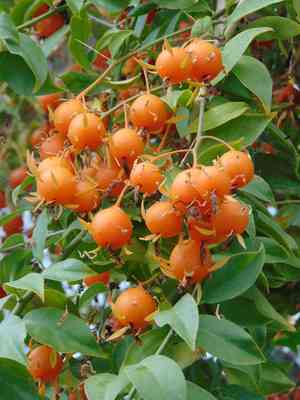
1
The Barbados gooseberry flourishes in direct sunlight but can endure some shade.
2
Strive for a minimum of 6 to 8 hours of unfiltered sun each day for peak development.
3
Observe the plant for indications of excessive sun exposure, like discolored foliage or stunted development.
Optimal Light Requirements for Barbados Gooseberry
Full Sun vs. Partial Shade
For optimal growth, Barbados gooseberry thrives in full sun, requiring a location that provides at least 6 to 8 hours of direct sunlight daily. This extensive light exposure promotes vigorous development and robust health. While it can endure partial shade, the plant may exhibit less vigorous growth or reduced fruit production compared to full sun conditions. In extremely hot climates, offering some afternoon shade can help prevent leaf burn.
Daily Sunlight Duration
To achieve peak, flourishing growth, the Barbados gooseberry benefits from approximately 6 to 8 hours of daily sunlight. If cultivating this plant indoors, place it near a south or west-facing window where light is most intense and consistent. Outdoors, select a sunny spot free from obstructions like trees or buildings. Should natural light be insufficient in your area, consider supplemental grow lights to replicate ideal lighting conditions.
Ensuring Proper Sunlight for Barbados Gooseberry
Indoor and Outdoor Placement
When cultivating Barbados gooseberry indoors, position it where it will receive maximum sunlight, such as a south or west-facing window. If natural light is inadequate, full-spectrum grow lights can supply the necessary light intensity. For outdoor planting, choose a site that gets abundant direct sunlight throughout the day. Remember, strategic placement significantly impacts the plant's growth and fruiting potential.
Seasonal Sunlight Adjustments
Seasons change, altering the intensity and duration of natural sunlight. During summer, with more abundant sunlight, your Barbados gooseberry will thrive in full rays if positioned correctly. However, in winter, light levels decrease. You might need to move indoor plants closer to windows or add supplementary lighting during shorter winter days. For outdoor plants, consider a sheltered spot to maximize sunlight exposure during colder months.
Indicators of Insufficient Sunlight
Recognizing Sunlight Stress in Barbados Gooseberry
Sunlight stress in Barbados gooseberry manifests in various ways. Common signs include yellowing leaves, stunted development, or a lack of flowering and fruiting. If these symptoms appear, it may suggest the plant isn't getting enough light. Additionally, weak or elongated stems, known as etiolation, can result from inadequate sunlight.
Corrective Actions for Improved Sunlight Exposure
If you observe signs of insufficient sunlight exposure in your Barbados gooseberry, several corrective steps can be taken. For indoor plants, relocate them to a brighter spot or add grow lights to supplement natural light. For outdoor plants, consider pruning nearby trees or shrubs that might be casting shadows and ensure the plant is unobstructed from direct sunlight. Regular rotation can also ensure even light distribution and growth.
Balancing Sunlight with Other Growth Factors
Interaction with Watering and Soil Conditions
Sunlight influences the water requirements of your Barbados gooseberry. More sunlight generally leads to higher evaporation rates, necessitating adjustments to watering schedules. Well-draining soil is vital regardless of sunlight exposure to prevent root rot. Consistently check soil moisture and water when the top inch (2.5 cm) feels dry.
Temperature and Humidity Considerations
Sunlight, temperature, and humidity are interconnected. In warm and humid climates, ample sunlight combined with proper watering fosters healthy growth. However, during scorching summer days, intense sunlight coupled with high temperatures can stress the plant. Ensure the Barbados gooseberry is well-hydrated and consider providing partial afternoon shade in very hot conditions to effectively balance these factors.



