How Much Sunlight Do Bunchleaf Penstemon Need?
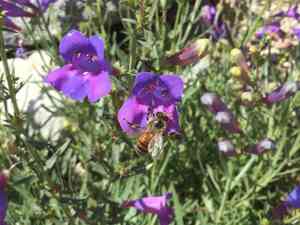
1
Bunchleaf Penstemon flourishes optimally in areas providing a minimum of 6 hours of direct sunlight each day.
2
Bunchleaf Penstemon can endure some shade, yet complete sun exposure guarantees peak development and bloom production.
3
Selecting an appropriate planting site and observing sun exposure helps avoid typical growth problems.
Optimal Light Conditions for Bunchleaf Penstemon
Full Sun Requirements
The Bunchleaf Penstemon thrives in ample sunlight, needing a minimum of 6 hours of direct sun daily. This light level promotes vigorous development, vibrant blossoms, and overall plant vitality. Ensure its placement in an unshaded area for most of the day, such as an open garden bed or a south-facing building side.
Partial Shade Tolerance
Although Bunchleaf Penstemon prefers full sun, it can endure some partial shade, offering planting flexibility. However, in partial shade, you might observe fewer and less vivid flowers. Ideally, aim for morning sun exposure with afternoon shade if full sun isn't feasible.
Daily Sunlight Exposure
Bunchleaf Penstemon requires consistent daily light to mimic its natural habitat. Target 6 to 8 hours of direct sunlight each day. Steady exposure to these light levels supports photosynthesis, providing the energy needed for beautiful flowers and healthy foliage.
Impact of Insufficient Light on Bunchleaf Penstemon
Reduced Flowering
A primary consequence of inadequate sunlight for Bunchleaf Penstemon is diminished flowering. The plant's capacity to produce its striking blooms relies heavily on sufficient light. Without proper illumination, you may see fewer, smaller, and less vibrant flowers.
Health and Vigor Impact
Lack of sunlight can also affect the overall health and robustness of Bunchleaf Penstemon. The plant might appear weak, with pale or yellowing leaves, and become more prone to pests and diseases. Ensuring adequate sunlight helps maintain a strong, healthy appearance.
Signs of Sunlight Deficiency
Watch for indicators of insufficient sunlight in your Bunchleaf Penstemon. Common signs include etiolation (stems growing unusually long and thin), pale or yellow foliage, and leaning towards light sources. If observed, consider moving your plant to a brighter spot for necessary light.
Maximizing Sunlight Exposure for Bunchleaf Penstemon
Choosing the Right Planting Location
Select a planting site that maximizes sunlight exposure for your Bunchleaf Penstemon. An ideal spot receives uninterrupted sunlight for at least 6 hours daily. Consider factors like nearby structures, trees, and other plants that might cast shadows.
Seasonal Sunlight Variations
Sunlight exposure changes with seasons, potentially affecting your Bunchleaf Penstemon. During shorter winter days, ensure the plant gets maximum possible sunlight by pruning overhanging branches or moving portable planters to sunnier locations.
Using Reflective Surfaces
You can boost the light your Bunchleaf Penstemon receives with reflective surfaces. Strategically placing reflective materials like white stones or mulch around the plant's base can redirect additional sunlight onto it, aiding growth without relocation.
Common Sunlight Errors to Avoid with Bunchleaf Penstemon
Overexposure to Direct Sunlight
While Bunchleaf Penstemon thrives in full sun, excessive exposure during the hottest part of the day, especially in very hot climates, can cause sunburn or scorched leaves. In areas with intense heat, consider providing partial shade during peak sunlight hours.
Incorrect Plant Spacing
Planting Bunchleaf Penstemon too close to other plants can restrict its sunlight due to crowding. Ensure adequate spacing for proper air circulation and full light access. Aim for about 30cm (12 inches) apart to give each plant ample room.
Misjudging Seasonal Changes
Ignoring seasonal shifts in sunlight patterns is a frequent error. As the sun's position changes, areas sunny in summer might become shaded in winter, and vice versa. Monitor how seasonal changes affect your garden and adjust planting positions or provide supplemental lighting as needed.



