How Much Sunlight Do Asian Rice Need?
1
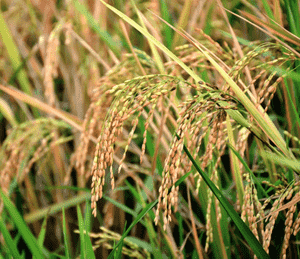
Asian Rice flourishes with ample sunlight, needing more than 6 hours of direct sun each day.
2
Some shade can be helpful during the peak heat of the day to protect Asian Rice foliage from scorching.
3
Adjust sun exposure seasonally to account for variations in daylight hours.
Ideal Illumination Conditions for Asian Rice
What is the Optimal Light Strength?
Asian Rice plants require intense, direct illumination for peak development. Full sun exposure, meaning a minimum of 6 to 8 hours of daylight daily, is perfect. Light intensity greatly influences the plant's photosynthetic process, leading to vigorous growth and improved harvest. Ensuring your rice plants are situated where they receive unobstructed sunlight can be vital.
Daily Light Exposure
For peak outcomes, Asian Rice should get uninterrupted sunlight throughout the day. Six to eight hours of sun daily aids in maintaining the best conditions for photosynthesis. In regions with less natural light, consider supplementing with artificial light sources. Maintaining a consistent light pattern ensures uniform and healthy plant growth.
Seasonal Influence on Light Requirements
Seasonal shifts directly affect the sunlight available to your Asian Rice. During warmer months, days are longer, providing ample light. However, in winter, shorter days can impede growth. Adjust planting schedules and consider using reflective materials or grow lamps during seasons with reduced daylight to ensure adequate light exposure.
Shading and Asian Rice Development
Impacts of Partial Obscuration
While Asian Rice thrives in full sun, partial shade can be advantageous during the day's hottest period. Excessive heat can cause leaf scorching and stress the plant. Providing partial shade during these times helps safeguard the leaves without significantly diminishing the crucial sunlight needed for growth. This balance fosters healthy and robust plants.
How to Provide Sufficient Shade?
To safeguard your Asian Rice plants, employ shade cloths or create natural cover with taller crops. These methods can offer intermittent relief from intense sunlight. Design your fields or gardens to allow some natural shading, especially during the warmest part of the day. This technique balances light needs with protection from overexposure.
Best Shading Materials
Utilizing appropriate materials for shading is essential. Shade cloths, available in various densities, can lessen sunlight intensity while still permitting enough light for growth. Furthermore, strategically planting taller crops around your Asian Rice can provide natural shade. Be careful not to create too much shade that could impede necessary sunlight exposure.
Indicators of Insufficient Light Exposure in Asian Rice
Typical Symptoms of Light Deficiency
Poor light exposure in Asian Rice often results in yellowing foliage, stunted development, and reduced yield. Insufficient light impedes photosynthesis, affecting overall plant vitality. Watch for these signs to promptly adjust your lighting conditions and ensure your plants receive adequate sunlight.
Diagnosing Light-related Problems
If you observe your rice plants showing signs like wilting, yellowing, or diminished growth, inadequate sunlight might be the cause. Evaluate the planting site for potential blockages such as buildings, trees, or other crops that may be obstructing sunlight. Resolve these issues by pruning, relocating plants, or adding supplementary artificial light.
Long-term Consequences of Insufficient Light
Extended light deficiency can lead to chronic issues such as weakened plants and significantly decreased rice harvest. Additionally, it increases vulnerability to diseases and pests. Consistent inadequate sunlight can compromise the entire cultivation cycle. Proactive measures to ensure optimal sunlight can prevent these long-term negative effects.
Advice for Ensuring Proper Sunlight for Asian Rice
Choosing the Ideal Planting Spot
Selecting the correct location is crucial for providing your Asian Rice with optimal sunlight. Pick a spot that receives direct sunlight for most of the day. Avoid planting in areas prone to shade from nearby structures or trees. Careful planning of your planting site ensures that your rice plants receive consistent and sufficient sunlight.
Employing Reflective Surfaces
In areas with limited sunlight, using reflective surfaces can help maximize available light. Aluminum foils or mirrors can direct additional light onto your Asian Rice plants. This method is especially useful in urban gardens where space and light are often restricted. Reflective surfaces can effectively boost light exposure and improve growth.
Seasonal Light Adjustments
Adapt your sunlight management strategies according to the seasons. During shorter days, consider using grow lights to supplement the natural light for your Asian Rice. Reflective surfaces can also assist during these times. Remain flexible and responsive to the changing light patterns throughout the year to maintain optimal growing conditions for your rice plants.



