How Much Sunlight Do Nipa palm Need?
1
Nipa palms flourish with ample sunlight, needing over 6 hours of direct sun daily.
2
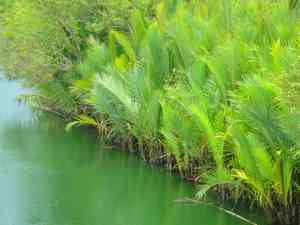
Within its native environment, the Nipa palm develops in sun-drenched mangrove ecosystems.
3
Observe scorched leaves as an indicator of excessive sun exposure, and yellow foliage suggesting inadequate light.
Deciphering Nipa Palm Solar Requirements
Native Environment and Light
The Nipa palm is native to Southeast Asia, flourishing within mangrove ecosystems and along riverbanks. These regions are characterized by warm climates and abundant solar radiation. Unsurprisingly, the Nipa palm has evolved to thrive under conditions of substantial sunlight exposure.
Optimal Solar Conditions
For prime development, the Nipa palm necessitates full sun, meaning it should receive over 6 hours of direct sunlight daily. This ample light promotes vigorous growth and healthy foliage. If cultivated in partial shade, the plant might not reach its maximum potential and could exhibit slower development rates.
Providing Ideal Sunlight for Nipa Palm
Selecting the Appropriate Placement
Choosing the correct site for your Nipa palm is vital. Ideally, the plant should be situated in an area where it can obtain uninterrupted sunshine for most of the day. For outdoor planting, a south-facing spot is often perfect in the Northern Hemisphere to maximize sun exposure.
Seasonal Light Fluctuations
It's crucial to account for seasonal variations when positioning your Nipa palm. During warmer months, days are longer, guaranteeing ample sunshine. However, in winter, sunlight hours decrease. To counteract this, you might need to slightly adjust the plant's location to effectively capture available light.
Typical Sunlight-Related Problems for Nipa Palm
Indicators of Excessive Sun
While Nipa palms enjoy sunlight, too much exposure can lead to leaf scorching, resulting in brown and brittle leaf margins. If these symptoms appear, consider providing temporary shade during peak sun hours with a shade cloth or relocating the plant to a less intense light area.
Indicators of Insufficient Sun
Inadequate sunlight can cause Nipa palm leaves to yellow and the plant to appear elongated. This occurs as the plant stretches towards the light source. Ensure your plant receives enough light by moving it to a brighter location if you observe these signs.
Modifying Nipa Palm Sunlight Exposure
Utilizing Shade for Light Regulation
If you reside in a region with overly intense sunlight, employ shade cloths or position the plant to receive filtered light during the hottest parts of the day. This helps prevent leaf burn while still supplying the necessary light for growth.
Artificial Illumination Options
For indoor Nipa palms or during periods of low natural light, supplemental artificial lighting can be beneficial. Use full-spectrum grow lights positioned above the plant to mimic natural sunlight. Ensure lights are active for at least 12-14 hours daily to support robust growth.
Frequently Asked Questions About Nipa Palm and Sunlight
Can Nipa Palm Be Grown Indoors?
Yes, the Nipa palm can be cultivated indoors if it receives sufficient artificial or natural light. Place the plant near a south-facing window or employ grow lights to supply the necessary sunlight.
What is the Best Time of Day for Light Exposure?
The Nipa palm benefits most from sunlight exposure during the early morning and late afternoon when the sun's intensity is lower but still ample. This helps optimize growth without the risk of leaf burn caused by midday sun.
How Does Sunlight Influence Nipa Palm Growth?
Sunlight is vital for the Nipa palm as it fuels photosynthesis, ensuring the plant obtains the energy required for growth. Appropriate sunlight exposure leads to vibrant, green foliage and overall plant vitality.



