How Much Sunlight Do Burflower tree Need?
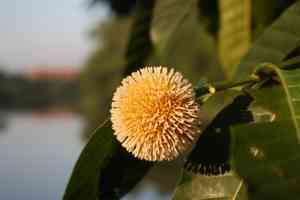
1
The Burflower tree flourishes optimally with over six hours of direct sun each day.
2
Some shade is fine, particularly during very hot periods.
3
Consistent, appropriate sun exposure helps avoid leaf scorch and encourages development.
Ideal Light Conditions for Burflower Tree
Direct Sun vs. Partial Shade
The Burflower tree thrives best in full sun, meaning it receives over six hours of direct sunlight daily. However, it can tolerate some partial shade, especially during the day's hottest hours. Full sun provides the energy needed for optimal growth, but in very intense sunlight areas, some partial shade can prevent leaf burn and excessive water loss.
Required Sunlight Duration
For the Burflower tree to flourish, it ideally needs at least six to eight hours of direct sunlight each day. This duration supports efficient photosynthesis, promoting strong growth and dense foliage. Monitoring sun exposure is vital, particularly if the tree is in an area prone to extreme weather.
Effects of Excessive Sun on Burflower Tree
Signs of Sun Damage in Burflower Tree
Too much sunlight can cause the Burflower tree to show signs of sun damage. Common indicators include yellowing or browning leaves, leaf drop, and scorched leaf edges. If these symptoms appear, immediate action is crucial to protect the tree from further harm.
Protective Measures
To prevent sun damage in the Burflower tree, consider providing partial shade during peak sun hours. This can be achieved by strategic planting near taller structures or using shade cloths. Additionally, maintaining proper soil moisture through mulching and regular watering can help reduce stress from excessive sun exposure.
Effects of Insufficient Sun on Burflower Tree
Symptoms of Light Deficiency
Inadequate sunlight can lead to several problems for the Burflower tree. Symptoms of light deficiency include elongated, weak stems, sparse foliage, and a general lack of vitality. The tree's growth may be stunted, and it might become more vulnerable to pests and diseases due due to its weakened state.
Solutions for Improved Light Exposure
If the Burflower tree isn't getting enough sunlight, consider moving it to a brighter location. Pruning nearby vegetation that casts shadows can also help. For indoor plants, using grow lights to supplement natural light can ensure the tree receives the necessary illumination to thrive.
Seasonal Light Needs for Burflower Tree
Spring and Summer
During spring and summer, the Burflower tree typically enters its most active growth phase and thus requires ample sunlight. Ensure it receives at least six hours of direct sunlight daily during these seasons to support vigorous foliage and overall health.
Autumn and Winter
In the colder months of autumn and winter, the Burflower tree still needs sufficient sunlight, though the intensity may be lower. Ensure it remains in a spot where it gets as much light as possible, ideally aiming for about four to six hours of indirect or filtered light to maintain its health during these less active periods.



