How Much Sunlight Do Heavenly bamboo Need?
1
Nandina domestica flourishes in abundant sunlight but also manages well in areas with some shade.
2
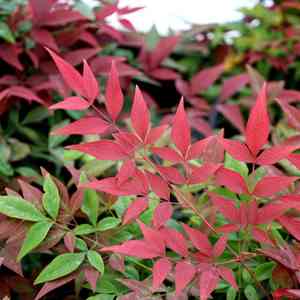
For Heavenly bamboo to exhibit its most vivid foliage hues, provide a minimum of six hours of direct sun exposure each day.
3
Although Nandina domestica is adaptable to diverse light environments, inadequate light can result in diminished vigor and stunted development.
What is the Perfect Sunlight for Heavenly bamboo?
Full Sun Requirements
For Heavenly bamboo, the best light condition is full sun, meaning it flourishes most when it gets six or more hours of direct sunshine daily. Ample sun exposure helps the plant develop brilliant, colorful leaves, with red and orange tones becoming especially striking in autumn. If you're growing Heavenly bamboo outdoors, pick a spot that receives plenty of morning light, as it handles warmth and brightness well.
Partial Shade Conditions
Although full sun is ideal, Heavenly bamboo is quite flexible and can also grow in partial shade, where it receives 3-6 hours of direct sunlight per day. In these conditions, the plant might not show as vibrant leaf coloration, but it will still remain healthy and strong. Partial shade is a good choice if you reside in an area with particularly hot summers or if you wish to plant Heavenly bamboo in a mixed garden bed with taller plants that offer intermittent shading.
Adapting to Diverse Light Conditions
Heavenly bamboo is remarkably hardy and can adapt to various light conditions with proper care. Whether situated in full sun or partial shade, the plant can adjust over time. It's crucial to observe the plant regularly and make changes as needed, such as trimming nearby plants that might be casting too much shade or relocating the plant to a sunnier spot if it's in a container.
How Does Sunlight Influence the Growth of Heavenly bamboo?
Impact on Leaf Color and Vigor
Sunlight plays a crucial role in determining the leaf color and overall vitality of Heavenly bamboo. In full sun, the plant's leaves exhibit vivid shades of red, orange, and burgundy, particularly in the fall. Insufficient sunlight, however, can lead to less dynamic coloration and may cause the leaves to remain more green. Adequate sunlight also ensures that the leaves are thick and healthy, reducing the likelihood of diseases and pest problems.
Effects on Blooming and Berry Production
The flowering and fruiting cycles of Heavenly bamboo are also affected by sunlight exposure. In full sun, the plant tends to produce more flowers, which eventually transform into clusters of bright red berries that add decorative value during the winter months. In partial shade, flowering may be slightly diminished, resulting in fewer berries. Regular observation and ensuring sufficient sunlight can enhance blooming and fruit production, adding to your garden's aesthetic appeal.
Growth Rate and Plant Dimensions
The growth rate and overall size of Heavenly bamboo largely depend on the amount of sunlight it receives. In optimal light conditions, the plant can achieve its full growth potential, typically reaching heights of 1.2-2.4 meters (4-8 feet). If placed in shadier spots, growth can be slower and the plant may be smaller in stature. Ensuring at least 6 hours of sunlight daily helps Heavenly bamboo grow vigorously, making it an excellent choice for hedges or standalone ornamental plants.
Can Heavenly bamboo Withstand Low Light Conditions?
Indicators of Inadequate Sunlight
Although Heavenly bamboo can tolerate low light conditions, it will display certain symptoms if it isn't receiving enough sunlight. These signs include pale leaves, elongated growth (where the plant stretches out in search of light), and reduced foliage density. Additionally, you may notice a decrease in flowering and berry production. If you observe these symptoms, it is essential to re-evaluate the plant's light exposure and make necessary adjustments.
Supplementing Light Indoors
If you're cultivating Heavenly bamboo indoors or in a location with insufficient natural light, supplementing with artificial light can help maintain its health. Use grow lights that emit a full spectrum of light, mimicking natural sunlight, for at least 6-8 hours a day. Position the lights approximately 0.6 meters (2 feet) above the plant and adjust the duration and intensity based on the plant's response.
Best Practices for Limited Sunlight Settings
In environments with restricted sunlight, place Heavenly bamboo in the brightest possible spot, such as near south-facing windows. Rotate the plant regularly to ensure even light distribution and prevent one-sided growth. Furthermore, keeping the plant clean and dust-free allows it to better utilize the available light. Pruning and thinning nearby plants and branches can also help increase light penetration to your Heavenly bamboo.
Sunlight Advice for Optimal Heavenly bamboo Care
Selecting the Right Location in Your Garden
When planting Heavenly bamboo in your garden, choose a spot that provides ample sunlight, ideally with morning sun and some afternoon shade, especially in hotter climates. Consider the plant's mature height and spread to avoid overcrowding and ensure proper air circulation. A well-chosen location will help the plant thrive and display its full range of seasonal colors.
Seasonal Adjustments for Sunlight Exposure
Modifying sunlight exposure according to the seasons can enhance your Heavenly bamboo's growth. During spring and summer, when the sunlight is more intense, providing partial shade in the afternoon can prevent leaf scorch. In fall and winter, when the sun is lower and less intense, full sun exposure can help the plant maintain its vibrant winter coloration. Monitoring light needs and making seasonal adjustments will support the plant's year-round health and appearance.
Protecting from Excessive Exposure
While Heavenly bamboo flourishes in full sun, overexposure to intense, direct sunlight, especially in warmer regions, can cause leaf scorch and stress the plant. To prevent this, mulch around the base to retain moisture and create a barrier against heat. Using shade cloth or planting them among taller plants can also provide temporary relief during extreme weather conditions. Adequate hydration and regular checks for signs of overexposure will keep your Heavenly bamboo healthy and thriving.



