How Much Sunlight Do Common myrtle Need?
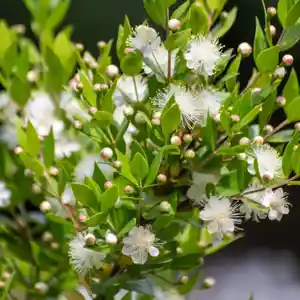
1
Common myrtle flourishes optimally with a minimum of 6 hours of direct solar exposure daily.
2
Adequate light exposure assists Common myrtle in sustaining robust development and vivid foliage coloration.
3
Both excessive and insufficient sunlight can induce visible indicators of stress in Common myrtle specimens.
What Are the Illumination Needs for Common myrtle?
Full Sun Versus Partial Shade
The Common myrtle thrives best when exposed to full sun, which means it ideally receives over 6 hours of direct solar radiation daily. Ample sun exposure enhances its development, promotes abundant blooms, and supports its overall vitality. While Common myrtle can endure partial shade, particularly in very warm regions, insufficient light may result in less robust growth and fewer flowers.
Daily Sunlight Duration Required
For optimal development, Common myrtle necessitates a minimum of 6 hours of direct sunlight every day. However, in areas with milder climates, it can benefit from up to 8 hours of sunshine. Consistent full sun exposure ensures the plant develops strongly with vivid green foliage and numerous blossoms.
Optimal Positioning for Common myrtle
Outdoor Placement
When cultivating Common myrtle outdoors, select a location where it will receive direct sunlight for the majority of the day. Excellent spots include south-facing gardens or areas with minimal obstruction from structures or other vegetation. Providing ample sunlight will encourage healthy growth and the production of fragrant flowers characteristic of this species.
Indoor Window Placement
For Common myrtle plants grown indoors, place them near windows that receive copious sunlight. South or southwest-facing windows are perfect as they offer consistent bright illumination throughout the day. If natural light is inadequate, consider supplementing the plant's light needs with grow lights, especially during shorter winter periods.
Indicators of Adequate Sunlight Exposure
Healthy Growth Patterns
A Common myrtle receiving sufficient sunlight will display vigorous and healthy development. You will observe steady production of new leaves and branches, along with dense, well-formed foliage. Proper sunlight is crucial for the plant to maintain its compact, bushy form.
Leaf Hue and Vitality
The leaves of a well-illuminated Common myrtle will exhibit a vibrant, deep green color. This shade is a clear sign that the plant is photosynthesizing effectively and acquiring the correct amount of sunlight it requires. Additionally, the leaves should appear firm and robust, free from any discoloration or signs of weakness.
Issues Arising from Incorrect Sunlight Levels
Symptoms of Excessive Sun
While Common myrtle flourishes in full sun, overexposure, particularly in extremely hot climates, can lead to leaf scorching. Symptoms of too much sun include burnt, browned, or bleached leaves. To prevent this, routinely monitor your plant, especially during heatwaves, and offer temporary shade if necessary.
Symptoms of Insufficient Sun
Inadequate sunlight can result in leggy growth and sparse foliage in Common myrtle. The plant may stretch towards the light source, leading to weak, elongated stems. Furthermore, a lack of light can cause leaves to become pale green or yellow. Ensuring your plant gets enough sunlight is vital for maintaining its health and aesthetic.
Adjusting Light Conditions for Common myrtle
Utilizing Shade Cloth or Curtains
If your Common myrtle receives too much direct sunlight, especially during intense afternoon heat, consider employing shade cloth outdoors or light curtains indoors. These can help to diffuse the light and reduce the risk of leaf sunburn, promoting healthier and more balanced plant development.
Relocating the Plant to More Suitable Positions
For Common myrtle plants suffering from insufficient sunlight, move them to a brighter spot. Outdoors, select a sunnier location in your garden. Indoors, place the plant closer to a south-facing window or use grow lights to provide additional illumination. Periodically assess your plant's position and make adjustments as required to optimize light exposure.



