How Much Sunlight Do Buddha's lamp Need?
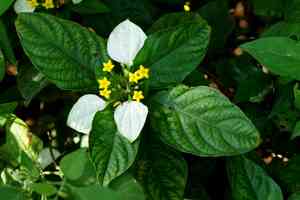
1
Buddha's lamp flourishes most vigorously in abundant sunlight, preferably getting more than six hours of undiluted sun each day.
2
Although Buddha's lamp can endure some shade, it may exhibit signs of strain if light levels are insufficient.
3
Indoor Buddha's lamp specimens can benefit from supplemental grow lights, particularly throughout the colder season.
Ideal Light Conditions for Buddha's lamp
Understanding Illumination Needs
When cultivating Buddha's lamp, comprehending its lighting preferences is crucial. This tropical species thrives in environments with plentiful sunshine. Although it can endure partial sun, offering it full sun exposure promotes its vitality. Aim for a minimum of six hours of direct sunlight daily for peak growth and vibrant blooming.
Perfect Sun Exposure for Buddha's lamp
The optimal placement for your Buddha's lamp plant is where it can absorb the most rays. South-facing windows are superb indoors, but if grown outdoors, positioning it in a sunny garden spot or patio that receives unfiltered sunlight will yield superior outcomes. Remember, consistent light exposure is vital for robust development and stunning blossoms.
Advantages of Appropriate Sunlight
Supplying adequate sunlight to your Buddha's lamp offers numerous benefits. Sufficient light not only fosters healthy development but also enhances the plant's flowering process, leading to more abundant and vivid blooms. Furthermore, the correct amount of sunshine helps avert common issues like leggy growth and weak stems, ensuring your plant stays lush and lively.
Indicators of Suboptimal Sunlight for Buddha's lamp
Signs of Insufficient Illumination
Recognizing indicators of inadequate light in Buddha's lamp is crucial for adjusting its care. Symptoms include discolored leaves, elongated growth, and a noticeable absence of flowers. If your plant appears to stretch towards the light source, it suggests it isn't receiving enough sunlight. Promptly addressing these concerns can prevent further plant stress.
Detecting Overexposure to Light
While Buddha's lamp prospers in full sun, excessive exposure or intense heat can be detrimental. Symptoms of too much light include scorched foliage, wilting during peak sun hours, and sun-damaged areas on the leaves. If these signs are observed, consider providing some afternoon shade or relocating the plant to a spot with slightly filtered light during the day's hottest period.
Adjusting Buddha's lamp Sunlight Based on Seasons
Summer Light Requirements
During the warmer months, Buddha's lamp relishes ample sunshine but might require protection during extremely hot afternoons. If you reside in a region with intense summer heat, consider employing a shade cloth or moving the plant to a location with filtered sunlight later in the day to prevent leaf burn and moisture loss.
Winter Light Requirements
In winter, Buddha's lamp still demands significant light, though natural sunlight may be less intense. Ensure the plant remains in the brightest possible spot, such as a south-facing window, to compensate for shorter daylight hours. If natural light is inadequate, supplement with grow lights to maintain vigorous growth throughout the season.
Supplementing Light for Indoor Buddha's lamp Care
Effective Use of Grow Lights
Grow lights are an excellent solution for indoor Buddha's lamp, particularly during darker periods. LED grow lights, positioned 6-12 inches (15-30 cm) above the plant, can deliver the necessary light spectrum to emulate natural sunlight. Aim to keep these lights on for approximately 12-16 hours daily to ensure the plant receives its required illumination.
Positioning Buddha's lamp Indoors
Proper placement of Buddha's lamp within your home is vital for its well-being. Position the plant near windows that receive the most light, ideally south or west-facing ones. If these options are unavailable, east-facing windows can also work with additional light supplementation. Avoid dim corners and maintain consistent exposure for optimal health.



