How Much Sunlight Do Black mulberry Need?
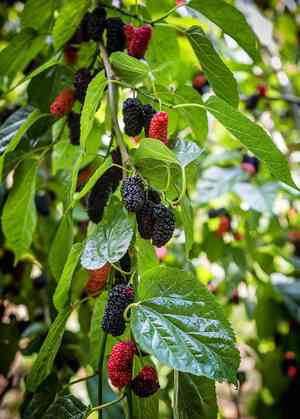
1
Black mulberries flourish with over six hours of direct sun each day.
2
Although they can endure some shade, abundant sunlight is crucial for peak fruit yield.
3
Placing your Black mulberry in a south-facing location will optimize its sun exposure.
Optimal Sun Exposure for Black Mulberry
Full Sun Requirements
For black mulberries to flourish and yield the most succulent and abundant fruit, they require a location offering full sun. This means at least 6-8 hours of direct sunlight daily. Full sun enables efficient photosynthesis, the process by which the plant generates energy and grows. Sunlight is also vital for the development of the tree's rich, sweet fruits.
Partial Shade Tolerance
While black mulberries prefer full sun, they can endure partial shade, particularly in warmer climates where protection from intense afternoon sun can be advantageous. Partial shade implies the tree will receive approximately 4-6 hours of sunlight daily. However, a Black mulberry grown in partial shade might produce fewer fruits and exhibit a slower growth rate compared to those in full sun.
Ensuring Proper Sunlight for Black Mulberry
Selecting the Right Garden Location
Choosing the best spot in your garden for a Black mulberry is essential. Ideally, pick a site with southern exposure, as this area will receive the most sunlight throughout the day. Avoid shaded spots near taller trees or structures that could block the sun. Planting your Black mulberry in an open area will not only boost light absorption but also improve air circulation, aiding in disease prevention.
Seasonal Positioning Adjustments
Seasonal changes can impact the amount of sunlight your Black mulberry receives. During the active growth period from spring to late summer, it's crucial to ensure the tree gets maximum sunlight. Modifying the surrounding environment, such as pruning overhanging branches that might cast shadows, can be helpful. In autumn and winter, when the sun is lower, be aware of any new obstructions. Maintaining a clear, sunlit area year-round ensures the tree stays healthy and ready for quality fruit production next season.
Indicators of Insufficient Sunlight for Black Mulberry
Identifying Poor Growth Patterns
One of the initial signs that your Black mulberry may not be receiving enough sunlight is stunted growth. If the tree appears underdeveloped or isn't reaching its expected height, it strongly suggests a need for more light. Poor growth is often accompanied by weaker, slender branches that may easily break.
Noticing Leaf Discoloration
Leaf discoloration is another clear sign of inadequate sunlight. Healthy Black mulberry leaves should be a vibrant green. If you observe leaves turning yellow or pale, it could be due to insufficient light. This condition, known as chlorosis, occurs because the plant cannot synthesize enough chlorophyll, which is vital for photosynthesis and growth.
Fruit Production Problems
Finally, one of the most evident symptoms of insufficient sunlight is poor fruit yield. Black mulberries that don't get enough light will produce fewer and smaller fruits. Additionally, the fruits may not be as sweet or juicy, as sunlight is crucial for sugar development within the fruit. Ensuring your tree receives adequate sunlight will help achieve optimal fruit production.
Can Black Mulberry Be Grown Indoors?
Artificial Lighting Solutions
Growing a Black mulberry indoors is feasible but demands careful planning. Since indoor light is typically less intense than outdoor sunlight, you'll need to invest in artificial lighting options. High-intensity discharge lamps (HID), fluorescent lights, or LED grow lights can mimic natural sunlight. Position these lights close enough for ample illumination but far enough to prevent scorching the foliage.
Adjusting Light Intensity
Adjusting the light intensity is vital for indoor black mulberries. Excessive light can be as detrimental as too little, leading to leaf burn and stress. A light meter can assist in monitoring and adjusting light levels. As a general guideline, aim to provide about 14-16 hours of artificial light daily, replicating the long daylight hours the plant would experience outdoors during its growing season.
Monitoring Light Duration
Monitoring the duration of light exposure is equally important. Just as black mulberries benefit from consistent, long hours of natural sunlight, ensuring a stable duration of artificial light is crucial for indoor plants. Timers can help maintain a regular light schedule, preventing disruption to the plant's photosynthesis process. Consistency will promote healthy growth and fruit production even when cultivated indoors.



