How Much Sunlight Do Moringa Need?
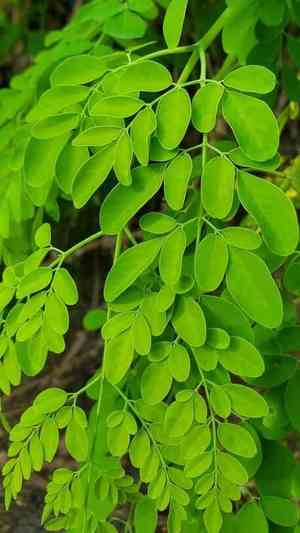
1
Moringa flourishes optimally with more than 6 hours of direct sunlight each day.
2
Yellowing foliage may indicate excessive exposure to intense sun.
3
Some shade is acceptable, but it might hinder development and seed yield.
Moringa's Light Requirements
Ideal Sun Exposure
When cultivating Moringa, it's vital to understand this resilient plant thrives in sunlight. Ideally, Moringa needs over 6 hours of direct sun daily. Full sun exposure promotes vigorous growth and ensures the production of its nutritious leaves and seeds. Positioning your Moringa tree where it receives all-day sun will yield optimal results.
Minimum Light Thresholds
While Moringa is quite adaptable, it can endure partial sunlight, meaning it can still develop in areas receiving 3-6 hours of direct sun. However, this should be the lowest limit as reduced light can impact the plant's growth rate and overall vitality. If you reside in a region with less intense sun, try to place your Moringa where it gets maximum light.
Sunlight's Impact on Moringa Development
Effect on Foliage Growth
Sunlight is critical for the healthy development of Moringa leaves. Ample sun leads to vibrant green, nutrient-rich foliage, which is the most harvested part. Without sufficient light, leaves can become pale, indicating a lack of chlorophyll and vital nutrients.
Influence on Blooming and Seed Production
Flowering and seed development in Moringa are significantly affected by sun exposure. For optimal blooming and seed formation, consistent full sun is essential. Insufficient light can result in sparse flowering and poor seed development, crucial for the plant's reproduction and nutritional density.
Optimizing Moringa's Sun Placement
Selecting the Right Garden Location
To ensure your Moringa gets the best sunlight, choose a garden spot not shaded by structures or taller plants. South-facing areas are typically best as they receive the most sun throughout the day. Ensure that as your Moringa grows, it doesn't block light for nearby plants.
Utilizing Reflectors for Enhanced Light
In some instances, using reflectors can be very effective in maximizing light exposure for your Moringa. Placing reflective surfaces like white walls or even aluminum foil around your plant can bounce extra light onto it, boosting its growth, especially in areas with less direct sunlight.
Common Sunlight Issues and Solutions for Moringa
Signs of Excessive Sunlight
While Moringa loves the sun, too much direct sunlight, particularly in very hot climates, can cause leaf scorching or yellowing. If you observe these symptoms, consider providing slight shade during peak afternoon hours to shield it from intense heat.
Signs of Insufficient Sunlight
Inadequate sunlight can be equally harmful. Moringa plants lacking sufficient light often show slow growth, pale leaves, and weak stems. Relocating the plant to a brighter spot or ensuring it receives the minimum required light is vital for its well-being.
Adjusting Light Exposure Seasonally
Modifying your Moringa's sunlight exposure with seasonal changes helps maintain its health. During winter, when light is limited, consider moving potted plants to sunnier indoor locations or using grow lights. In summer or very sunny conditions, providing partial shade can prevent overheating and sunburn.



