How Much Sunlight Do Apple mint Need?
1
Apple mint flourishes optimally in direct sunlight, getting a minimum of 6-8 hours of sun each day.
2
Apple mint can endure some shade, particularly during the warmest hours of the afternoon.
3
Indications of inadequate light for Apple mint involve elongated stems and discolored foliage.
Optimal Light Conditions for Apple Mint
Prime Locations for Cultivating Apple Mint
Selecting the appropriate site for Apple mint is vital for its vitality and development. Ideally, position it in an area that gets full sun, meaning at least 6-8 hours of direct solar exposure daily. This could be a bright garden spot, a balcony, or a well-lit windowsill. In regions with extremely hot sun, consider a location offering partial shade during peak afternoon hours to avoid sun damage.
Ideal Daily Sun Exposure
Apple mint flourishes with ample sunlight. Aim for a spot that provides 6-8 hours of sun each day. Morning sun is typically less intense and beneficial, aiding the plant's early photosynthesis. Afternoon sun is stronger, so in warmer climates, afternoon shade can prevent leaf damage.
Effects of Excessive Sunlight
While Apple mint loves sun, too much can be harmful. Overexposure to sun might cause sun scorch, where leaves may wilt or develop brown, crispy edges. In severe cases, it can also impact the plant's overall growth and vigor. Thus, moderation is key.
Seasonal Sunlight Adjustments for Apple Mint
Spring and Summer Light Requirements
During spring and summer, Apple mint will thrive in full sunlight. With longer days, the plant naturally receives more sun. However, this is also when the sun is most intense. If your Apple mint shows signs of stress from too much sun, consider moving it to a spot with afternoon shade or using a shade cloth for protection.
Autumn and Winter Light Modifications
As days shorten in fall and winter, ensuring sufficient sunlight for your Apple mint is crucial. For potted plants, move them to the sunniest available spot. Indoor Apple mint benefits from placement near south-facing windows to maximize sun exposure. If natural light is limited, grow lights can supplement the necessary light.
Indicators of Proper Sunlight for Apple Mint
Signs of Healthy Development
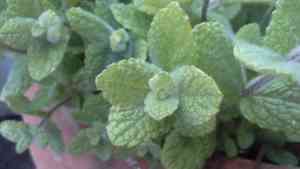
One of the best ways to determine if your Apple mint is getting adequate sunlight is by observing its growth. Healthy Apple mint will exhibit lush, vigorous growth with dense foliage. The plant will also consistently produce new, vibrant green leaves. Additionally, you might notice a pleasant, subtle apple scent, indicating its well-being.
Leaf Hue and Feel
Leaf color and texture are excellent indicators of correct sunlight. Healthy Apple mint leaves should be bright to dark green, depending on the variety. The leaves should also feel slightly fuzzy. If leaves become too dark or develop a brownish tint, it might signal too much sun. Conversely, pale or yellow leaves suggest insufficient light.
Common Sunlight-Related Issues for Apple Mint
Sunburn
Sunburn is a frequent problem when Apple mint gets too much direct sunlight, especially during intense afternoon hours. Symptoms include wilting leaves, brown or crispy leaf edges, and a generally scorched look. To prevent this, ensure your plant gets some afternoon shade or use a shade cloth during the hottest part of the day.
Symptoms of Insufficient Light
When Apple mint doesn't receive enough sunlight, you might observe leggy growth, where the plant stretches towards the light, becoming sparse and weak. Leaves may also lose their vibrant color, turning pale green or yellow. If you notice these signs, it might be time to move your plant to a brighter location.
Strategies for Managing Apple Mint's Sunlight Exposure
Utilizing Shade Fabric
A shade fabric can be an excellent tool for regulating the amount of sunlight your Apple mint receives. It's especially useful during summer when the sun is strongest. By draping a shade cloth over your plants, you can filter the sunlight, creating a balanced environment that protects against sun scorch while ensuring adequate light for growth.
Repositioning Container Plants
If you grow Apple mint in containers, you have the advantage of mobility. Move your pots to follow the sun through different seasons, ensuring they get the right amount of light. In summer, place them where they receive morning sun and early afternoon shade. In winter, move them to the brightest available spot to compensate for shorter daylight hours. This flexibility allows you to customize sunlight exposure based on seasonal changes and the plant's requirements.



