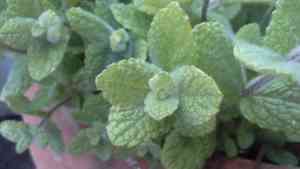
Apple mint(Mentha suaveolens)

Apple mint (Mentha suaveolens)

Also known as: Woolly mint

Apple mint is appreciated for its fruity aroma and taste, making it a popular choice for flavoring teas, salads, and as a garnish. It thrives in moist, well-drained soils but struggles in dry conditions. Many gardeners use apple mint as a ground cover to suppress weed growth. It can grow in both full sun and partial shade, but ensuring the soil remains consistently moist is key for healthy growth.

Attributes of Apple mint

Lifespan
Perennial
Plant Type
Herb
Plant Height
30 cm to 1 m
Spread
9 m
Leaf Color
Green Variegated
Flower Size
6 mm
Flower Color
Purple White Pink

ForwardPlant - Identify plants with a snap

Identify and diagnose plants, get toxicity alerts, and explore safety guides for all types of fungi.

Try for Free

Images of Apple mint

Apple mint(Mentha suaveolens)

Quickly Identify Apple mint

1
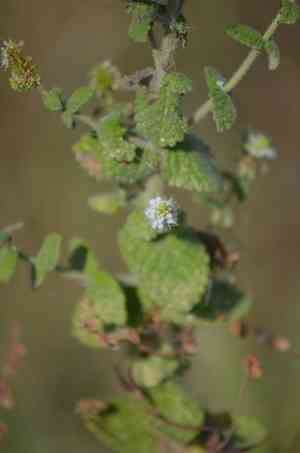
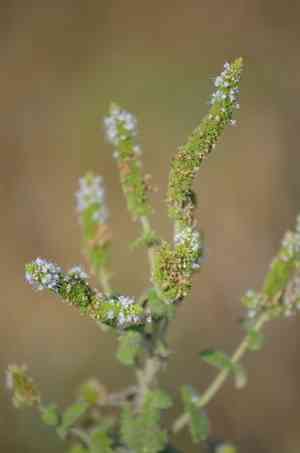
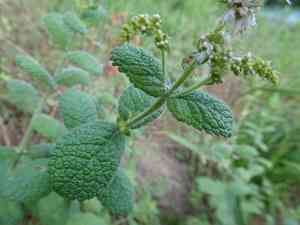
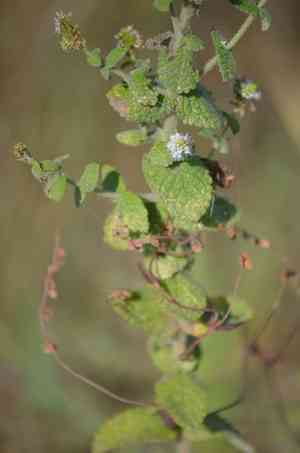
Mentha suaveolens can be identified by its aromatic, apple-scented leaves that are fuzzy and oval to round in shape. The leaves are arranged in opposite pairs along the stems, which are square-shaped, a common trait in mints.

Scientific Classification of Apple mint

Phylum
Vascular plants
Class
Dicotyledons
Order
Lamiales
Family
Mint
Genus
Mints
Species
Apple mint

Planting and Growing of Apple mint

Care Difficulty
Easy
Watering Schedule
Every 6 days
Sunlight Requirements
Full sun
Sunshine Duration
6-10 hours
Ideal Temperature
68-77℉
Soil Type
Potting Mix, Peat Mix
Soil pH
6.5-7.5
Fertilizer Type
Balanced
Pruning Season
Spring, Summer
Pruning Area
Branches, Leaves
Pruning Frequency
2 times a year
Repotting Season
Spring
Pot Type
Plastic, Ceramic

water icon How to Water Apple mint?

Mentha suaveolens enjoys soil that is consistently moist but not waterlogged. Watering to a depth of about 250 ml ensures the soil is thoroughly saturated, reaching the root zone where it can efficiently absorb the moisture.
What are the symptoms of an underwatered Apple mint?
What should I do if my Apple mint is not getting enough water?
What are the symptoms of an overwatered Apple mint?
How to save an overwatered Apple mint?
More About Watering Techniques

sunlight icon What Are the Sunlight Requirements for Apple mint?

Sunlight Requirements: Full sun, Partial sun
Duration of light: 4 to 6 hours
Plants like Mentha suaveolens benefit from partial or full sun. Ideally, they flourish with a daily balance allowing steady growth and aromatics without stressing the foliage with excess intensity.
How much sunlight does Mentha suaveolens need?
What should I do to give Mentha suaveolens its ideal lighting conditions?
What are the benefits of providing optimal light to Mentha suaveolens?
More About Sunlight Requirements Techniques

temperature icon What Is the Ideal Temperature Range for Apple mint?

Ideal Temperature: 68 ~ 77℉
The ideal temperature range for growing Mentha suaveolens lies between 68°F and 77°F. This range encourages optimal growth and ensures that the plant develops healthy foliage and a robust fragrance. Maintaining this temperature consistently helps prevent stress-related issues, enabling the plant to thrive.

soil icon What Soil is Best for Apple mint?

Soil type: Loam, Sandy loam, Calcareous soil
Soil PH: 6.5 ~ 7.5
Mentha suaveolens thrives in well-drained soil because poor drainage can lead to root rot. Ensuring good drainage allows the roots to breathe and helps prevent excess moisture retention, which is critical for healthy growth. This plant benefits from nutrient-rich soil that provides essential nutrients for optimal growth. Using a soil mix with compost or well-rotted manure enriches the earth, resulting in robust, fragrant foliage. While the soil should be well-drained, it should also retain sufficient moisture to keep the plant hydrated. The balance between moisture retention and drainage supports sustained growth and prevents stress during dry periods. More About Soil

fertilize icon How to Fertilize Apple mint?

Fertilizer type: Balanced
For Mentha suaveolens, it is important to apply fertilizers judiciously. Use a balanced liquid fertilizer diluted to half the recommended strength every two weeks during the growing season. For solid fertilizers, opt for a slow-release formula and apply about 30 grams per plant three times a year. This will ensure the plant has a steady supply of nutrients without the risk of nutrient burn. More About Fertilizing Techniques

prune icon How to Prune Apple mint?

Pruning Time: Spring, Summer
Begin by identifying the node, the point where leaves join the stem. Cut just above these nodes to encourage side shoots that will result in fuller growth. This practice keeps the plant healthy and prevents it from becoming too sparse or lanky. Regularly remove any dead or yellowing leaves that can accumulate at the base of the plant. This helps in maintaining the plant’s health and visually keeps the plant appealing, while also preventing any fungal infections. More About Pruning Techniques

propagate icon How to Propagate Apple mint plant?

Propagate Time: Spring, Early summer
1
Select healthy, non-flowering stems about 10 cm long. Make a clean cut just below a node and remove the lower leaves to leave only a few at the top.
2
Dip the cut end of the stem in rooting hormone before planting. This step is crucial as it enhances root growth, especially when propagating from cuttings.
3
Insert the treated end of the cutting into a soil mix that is well-drained and moist. Ensure the cuttings are planted upright and spaced adequately for healthy growth.
More About Propagating Techniques

repot icon How to Repot Apple mint plant?

Repotting frequency: every 1-2 years
1
Mentha suaveolens should be repotted when its roots begin to protrude from the drainage holes, or if you notice growth stalling despite proper care. Early spring or summer, when the plant is actively growing, is the best time to undertake this task to minimize stress on the plant and encourage quick adjustment.
2
Select a pot that's 1-2 inches larger in diameter than the current one, ensuring it has adequate drainage holes. A slightly larger pot will provide enough space for root expansion while preventing water from stagnating, which is beneficial for maintaining plant health by avoiding root rot, a common issue in mint cultivation.
3
Choose a well-draining potting mix that retains moisture but does not become waterlogged. A mix of peat, perlite, and compost is ideal. This soil combination ensures that roots get enough air while staying moist, helping to support vigorous mint growth without the risk of water-induced diseases.
More About Repotting Techniques

ForwardPlant - Identify plants with a snap

Find the best spots for them to optimize their health, simply using your phone.

Try for Free

Toxicity of Apple mint

Is Apple mint toxic to cat?

Apple mint is deemed toxic to cats. Should a cat consume any portion of apple mint, it may suffer physical distress, as every part of the plant is capable of causing injury. The most common way cats experience poisoning is through accidental ingestion. Symptoms of poisoning can present as discomfort or illness, necessitating prompt veterinary care. It is essential for cat owners to keep a close watch on their pets and ensure they are not in settings where they might unknowingly ingest apple mint. If poisoning is suspected, swift treatment at a veterinary facility is vital for the health and well-being of the affected cat.

Is Apple mint toxic to dog?

Apple mint is recognized as toxic to dogs. Canines might unintentionally consume different parts of this plant, which can lead to the risk of poisoning. Every part of apple mint contains toxic compounds, and ingestion may trigger various symptoms. Pet owners must remain alert for indications such as digestive disturbances, lethargy, or more serious health issues, varying with the quantity ingested. If you believe your dog has consumed apple mint, it is crucial to seek prompt veterinary assistance to secure the best possible outcome for your furry friend.

Identify toxic plants for your safety

Learn which plants are harmful to you and your pets, and make informed choices for a safer home!

Try for Free
WARNING
The judgment on toxicity and danger is for reference only. We DO NOT GUARANTEE any accuracy of such judgment. Therefore, you SHALL NOT rely on such judgment. It is IMPORTANT TO SEEK PROFESSIONAL ADVICE in advance when necessary.
More About Toxic Techniques