How Much Sunlight Do Wild mint Need?
1
Wild mint flourishes with more than 6 hours of direct sun exposure each day.
2
Wild mint can endure some shade, particularly during the peak heat of the afternoon.
3
Cultivating Wild mint indoors is achievable if adequate light requirements are satisfied.
Optimal Light Conditions for Wild mint
Full Sun vs. Partial Shade
Understanding the distinction between full sun and partial shade is vital for cultivating Wild mint. This plant thrives in full sun, requiring at least six hours of direct sunlight daily. However, it can endure partial shade, especially if direct sun exposure occurs during cooler periods. If your garden offers only partial sun, rest assuredâWild mint is resilient and adaptable.
Daily Sunlight Duration
For robust Wild mint growth, aim for a minimum of 6 hours of direct sunlight each day. Morning sun is often preferred as it's less intense than afternoon rays. Positioning your mint to capture early light will promote health and maximize its growth potential. Remember, less light results in slower growth and less aromatic leaves.
Impact of Excessive Sunlight
While Wild mint enjoys sunlight, too much direct exposure can be harmful, particularly in regions with extremely hot summers. Overexposure can cause leaf scorch, where foliage turns brown and brittle. To prevent this, provide afternoon shade or consider a partial shading solution if you observe signs of sun stress.
Monitoring Sunlight Exposure for Wild mint
Utilizing a Sunlight Meter
You can effectively track the amount of sunlight your Wild mint receives with a sunlight meter. These useful tools measure light intensity and duration. Simply position the sensor near your Wild mint and check the readings. This will help ensure your plant gets the appropriate light levels.
Visual Cues
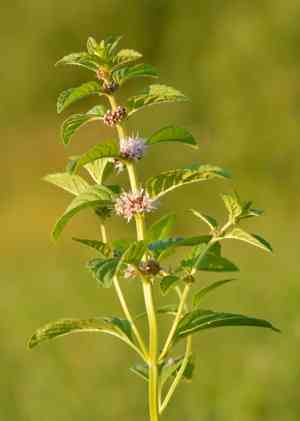
One of the simplest ways to assess sunlight exposure is by observing your plant. Healthy Wild mint should exhibit vibrant green leaves and a dense form. If leaves appear leggy, pale, or scorched, these indicate your plant may need more light or is suffering from too much sun. Adjusting its placement based on these visual signals can make a significant difference.
Relocating Growing Position
If your Wild mint isnât flourishing, it might be time to change its spot. Begin by moving the plant to an area with better light exposure, whether in your garden or on a windowsill. Donât hesitate to try a few different locations over a week to see where the plant performs best. Sometimes, a simple move can resolve many light-related issues.
Optimizing Sunlight for Indoor Wild mint
Selecting the Appropriate Window
For indoor cultivation, place your Wild mint in a window that receives ample sunlight. South-facing windows are generally ideal as they provide the most consistent light throughout the day. Ensure the plant is as close to the window as possible, without touching the glass, to maximize light exposure.
Supplementing with Grow Lights
If natural light is insufficient, supplement with grow lights. LED grow lights are particularly effective and energy-efficient. Set the grow light to provide 14-16 hours of illumination daily, ensuring your Wild mint has sufficient time under the light to thrive. Positioning the grow lights approximately 6-12 inches (15-30 cm) above the plant will mimic natural sunlight conditions.
Rotating the Plant
Wild mint plants tend to grow towards their light source. To ensure balanced growth, rotate the plant every few days to distribute exposure evenly on all sides. This simple action can help prevent the plant from becoming uneven and ensures all parts receive equal sunlight.
Seasonal Sunlight Requirements for Wild mint
Sunlight in Spring and Summer
During the active growth periods of spring and summer, Wild mint will benefit from maximum possible sunlight. Ensure the plant is situated in an area that gets abundant light. This is when the plant grows most vigorously, so maximizing sunlight is crucial for its health and productivity.
Adjustments for Fall and Winter
In fall and winter, daylight hours shorten, and sunlight intensity diminishes. For outdoor plants, consider relocating them to a sunnier spot or using a reflective surface to boost light exposure. For indoor plants, this is when supplemental lighting becomes essential. Shorter daylight hours mean you might need to extend the use of grow lights to maintain the plantâs vitality.



