How Much Sunlight Do Ostrich fern Need?
1
Ostrich fern performs optimally with partial solar exposure, getting approximately 3 to 6 hours of light daily.
2
It tolerates complete shade, which makes this fern adaptable for both outdoor gardens and interior settings.
3
Refrain from exposing your Ostrich fern to intense mid-day sun to avert foliage burn.
Deciphering Ostrich Fern Light Requirements
Original Habitat and Natural Illumination
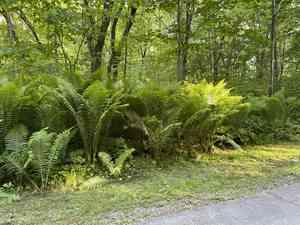
The Ostrich fern is a lively and sturdy plant found naturally in North American forests and wetlands. In its native environment, this fern thrives in filtered sunlight through tree canopies, providing it with semi-shade and ample moisture. Understanding this background helps gardeners recreate these conditions at home. Ensuring your fern receives comparable light will encourage robust development and lush fronds.
Adaptability to Various Light Conditions
Although Ostrich ferns prefer partial sun, they are highly adaptable. This fern can endure full shade, making it a great option for spots with minimal direct sunlight. However, adjusting to very different light conditions can take time, particularly for new plants. Gradually acclimating your fern to its new light setting can help it adjust without causing plant stress.
Optimal Direct Sunlight for Ostrich Fern
Tolerance to Full Sun Exposure
While the Ostrich fern flourishes in partial sun, receiving around 3-6 hours of daily sunlight, it can endure some full sun, especially during cooler periods of the day, such as early morning or late afternoon. Direct sunlight at these times is less intense and less likely to harm the plant. Nevertheless, extended full sun exposure, particularly at midday when the sun is strongest, can be damaging.
Risk of Sunburn or Scorching
Intense midday sunlight can be harsh and cause leaf scorching, resulting in brown or bleached areas on the delicate fronds. To prevent this, avoid placing your Ostrich fern in locations where it receives direct sunlight during the hottest part of the day. If you observe any sunburn signs, consider relocating the plant to a shadier spot or providing a filter screen to diffuse the light.
Best Indoor Lighting for Ostrich Fern
Utilization of Artificial Illumination
If natural light is limited, especially indoors, supplemental artificial lighting can be beneficial. Full-spectrum grow lights are excellent for mimicking natural sunlight. Position the grow light approximately 12-18 inches (30-46 cm) above the fern and operate it for about 8-12 hours daily. This arrangement can help sustain the plant's health and ensure it receives adequate light.
Ideal Placement Within the Home
Indoors, position your Ostrich fern near a window that offers indirect light. North or east-facing windows are perfect choices as they provide sufficient light without direct exposure that could cause scorching. Additionally, rotating the plant occasionally ensures all parts receive adequate illumination, promoting balanced growth.
Seasonal Light Fluctuations for Ostrich Fern
Spring and Summer Light Requirements
During the active growth seasons of spring and summer, Ostrich ferns benefit from increased light. Partial sun exposure during these months enhances photosynthesis and supports vigorous development. Ensure the fern receives morning or late afternoon light, which is less intense and less harmful.
Fall and Winter Light Modifications
In fall and winter, natural light diminishes, which can slow the growth of your Ostrich fern. To compensate, move the plant to a brighter spot, possibly closer to a window or under a grow light. Even though the plant's light needs are reduced in these seasons, ensuring it still receives adequate indirect light is vital to prevent dormancy and keep it healthy year-round.
Common Errors in Ostrich Fern Sunlight Exposure
Excessive Direct Sunlight
A frequent error is subjecting the Ostrich fern to too much direct sunlight, especially at midday. This exposure can scorch the fronds, leading to unsightly brown spots and potentially stunted development. Always aim for filtered or morning sunlight, and consider using shade cloths or repositioning the plant if needed.
Insufficient Light and Growth Issues
Conversely, inadequate light can also cause problems. Without enough light, the Ostrich fern might experience slow growth, elongated fronds, and a pale appearance. If you observe these symptoms, gradually increase the plant's light exposure by moving it to a slightly brighter area or using artificial light sources to supplement natural illumination.



