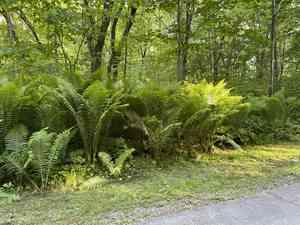
Ostrich fern (Matteuccia struthiopteris)
Also known as: Fiddlehead fern
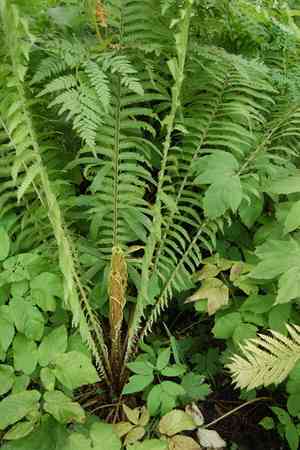
The ostrich fern (Matteuccia struthiopteris) features broad fronds that taper gradually at the base and more quickly toward the tip, reminiscent of ostrich feathers—a likely source of its name. While it is prized for its ornamental value, its visual appeal tends to diminish as summer progresses. The young, coiled fronds, known as fiddleheads, are harvested in spring and are popular in culinary uses. They can be pickled or cooked, often sautéed or steamed, and are appreciated for their unique taste, reminiscent of asparagus and spinach.
In This Article
Attributes of Ostrich fern
Lifespan
Perennial
Plant Type
Fern
Plant Height
70 cm to 1.1 m
Spread
1 m
Leaf Color
Green
Flower Size
N/A (ferns do not produce flowers)
Flower Color
N/A (ferns do not produce flowers)
Images of Ostrich fern
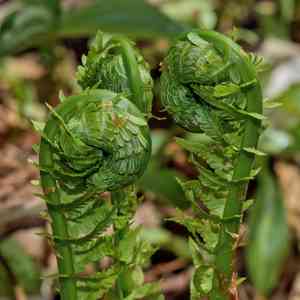
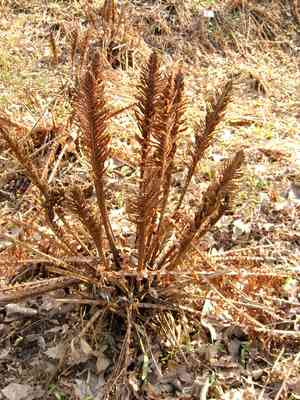
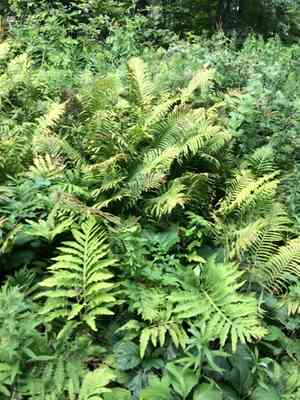
Quickly Identify Ostrich fern
1
Ostrich ferns can be identified by their tall, vase-shaped clusters of arching fronds. The fertile fronds are stiff and brown, forming in the center of the clump, while the sterile fronds are green, feathery, and can reach up to 5 feet in height.
Scientific Classification of Ostrich fern
Phylum
Vascular plants
Class
Ferns
Order
Polypodiales
Family
Sensitive fern
Genus
Ostrich Fern
Species
Ostrich fern
Planting and Growing of Ostrich fern
Care Difficulty
Easy
Watering Schedule
Every 4 days
Sunlight Requirements
Partial sun
Sunshine Duration
6-10 hours
Ideal Temperature
60-75℉
Soil Type
Potting Mix, Peat Mix
Soil pH
6.5-7.5
Fertilizer Type
Balanced
Pruning Season
Spring, Summer
Pruning Area
Branches, Leaves
Pruning Frequency
2 times a year
Repotting Season
Spring
Pot Type
Plastic, Ceramic
 How to Water Ostrich fern?
Matteuccia struthiopteris prefers consistently moist soil, similar to its native damp, woodland environment. Water each time with approximately 500 ml until the soil is evenly saturated but not waterlogged. Ensure water drains freely, preventing root rot.
More About Watering Techniques→
What are the symptoms of an underwatered Ostrich fern?
›
What should I do if my Ostrich fern is not getting enough water?
›
What are the symptoms of an overwatered Ostrich fern?
›
How to save an overwatered Ostrich fern?
›
 What Are the Sunlight Requirements for Ostrich fern?
Partial sun, mainly with full shade, encourages vigorous frond growth and maintains the vibrant green color of Matteuccia struthiopteris, reflecting a healthy, hydrated plant state.
More About Sunlight Requirements Techniques→
What is the preferred lighting environment?
›
How can you provide ideal lighting for this plant?
›
What are the benefits of providing optimal light?
›
 What Is the Ideal Temperature Range for Ostrich fern?
For optimal growth, Matteuccia struthiopteris thrives best in temperatures between 60°F and 75°F. These conditions mimic its natural habitat, allowing it to develop lush foliage and robust structure. Maintaining this range ensures the plant stays healthy and vibrant throughout its growing season.
 What Soil is Best for Ostrich fern?
Matteuccia struthiopteris thrives in well-drained soils that prevent waterlogging. This benefits the plant by allowing consistent moisture without root rot, which encourages healthy growth and vibrant frond development. The fern prefers soils rich in organic matter. This helps retain moisture and provides essential nutrients, supporting robust growth and a lush appearance. These ferns do best in consistently moist soils, which mimic their natural habitat. This ensures steady hydration and helps maintain their bright green foliage, making them a perfect choice for wet garden areas.
More About Soil→
 How to Fertilize Ostrich fern?
When considering the fertilization of Matteuccia struthiopteris, it is crucial to apply the right amount of nutrients. Typically, a diluted, balanced liquid fertilizer is recommended for monthly applications during the growing season. Use about one teaspoon per gallon of water to ensure healthy growth without overwhelming the plant.
 How to Prune Ostrich fern?
Begin by removing any dead or brown fronds at their base. This clears out old growth, making room for new shoots to thrive and improves airflow around the plant. Gently shape the plant by trimming any uneven or excessively long fronds. This encourages uniform growth and helps maintain the natural, elegant shape of Matteuccia struthiopteris. Be careful not to cut into the crown of the fern, as this can damage the plant's central growth point and hinder future development.
More About Pruning Techniques→
 How to Propagate Ostrich fern plant?
1
Start by using a garden spade to carefully dig around the base of the Matteuccia struthiopteris. Be gentle to avoid cutting through the roots, and lift the plant out of the ground.
2
Once the plant is removed, use pruning shears to divide the root clump into smaller, manageable pieces. Ensure each division has a healthy section of roots and shoots to encourage successful growth.
3
Plant each division into a prepared hole that has been enriched with organic matter. Space them adequately to allow for growth, and water thoroughly after planting.
 How to Repot Ostrich fern plant?
1
Matteuccia struthiopteris typically needs repotting when its roots start to outgrow the current pot, often noticeable when roots are visible from drainage holes or the plant begins to dry out quicker than usual. These signs suggest that the plant requires more space to continue thriving.
2
Select a pot that is one size larger than the current one to give plenty of room for root growth. Make sure the pot has adequate drainage holes to prevent water from accumulating at the bottom, which could lead to root rot. The material should be breathable, like terracotta, to encourage healthy soil aeration.
3
Opt for rich, well-drained soil that can retain enough moisture without becoming waterlogged. This type of soil is beneficial for Matteuccia struthiopteris because it mimics the plant's natural environment, supports healthy growth, and prevents root diseases associated with poor drainage.



