How Much Sunlight Do Arrowroot Need?
1
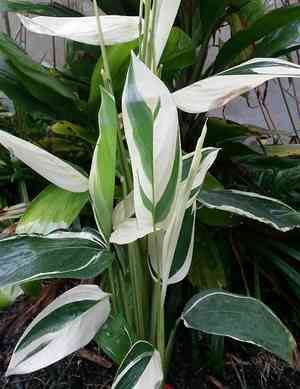
Arrowroot prospers most favorably with partial light exposure, benefiting from 3-6 hours of sun daily.
2
Prevent direct midday sun exposure to shield Arrowroot leaves from scorching.
3
East-facing window placements offer perfect lighting environments for Arrowroot plants.
Optimal Light Conditions for Maranta leuconeura
Preference for Dappled Light
Maranta plants thrive in dappled shade, performing best with approximately 3-6 hours of indirect light daily. This light level mimics their native understory environment, where overhead canopies shield them from strong sun.
Diffused Illumination
Providing diffused illumination is another excellent method to ensure your Maranta receives appropriate light. Employing sheer drapes or positioning the plant behind a light-filtering material can create perfect conditions, allowing gentle, indirect light to reach your plant without causing leaf burn.
Positioning Your Maranta for Best Light Exposure
East-facing Window Placement
East-facing windows are ideal for Maranta. They receive soft morning sun and avoid the intense, direct rays of the afternoon. Place your Maranta near an east-facing window to maximize its exposure to less powerful morning light, promoting vigorous growth and vibrant leaves.
Avoid Intense Midday Sun
Direct afternoon sun can be overly harsh for Maranta, leading to scorched leaves and dehydration. Position your plant away from west-facing windows or utilize blinds and curtains to filter strong afternoon light. This measure will help preserve your Maranta’s vitality and prevent damage from overexposure.
Indications of Over or Under-Exposure to Light for Maranta
Symptoms of Excessive Light
When Maranta gets too much light, you'll observe leaves yellowing or browning, particularly along the margins. The foliage may appear scorched or brittle, and the plant might develop sun spots. If these signs appear, consider relocating it or adding more shade.
Signs of Insufficient Light
Inadequate light can also negatively affect your Maranta. If the plant isn't receiving enough illumination, it might become leggy, with elongated stems and sparse foliage. Additionally, the leaves could lose their vivid green coloration and become pale. To correct this, move the plant to a brighter spot with more indirect light.
Modifying Light Exposure for Maranta
Seasonal Adjustments
As seasons change, so do the angles and intensity of sunlight. During summer, it may be necessary to move your Maranta further from windows or increase shading. In winter, you might need to bring it closer to a light source to compensate for shorter days and reduced light levels.
Utilizing Blinds and Drapes
Blinds and drapes are practical tools for managing your Maranta’s light exposure. Light-filtering curtains can soften harsh sunlight, providing consistent indirect illumination. In rooms with varying light conditions, adjustable shades can help regulate the amount of light throughout the day.
Supplementing Natural Light with Artificial Illumination
Types of Supplemental Lights
If natural light is insufficient, artificial grow lights can complement your Maranta's lighting requirements. LED grow lights are energy-efficient and offer the full spectrum of light necessary for plant growth. Fluorescent grow lights are another alternative, providing a balance of blue and red light to support overall plant health.
Positioning and Duration
Positioning and timing are critical when using artificial lights. Place the grow lights approximately 30-45 cm (12-18 inches) above your Maranta and leave them on for about 12-16 hours daily. Adjust the duration based on seasonal variations and your plant's specific needs to emulate natural daylight cycles.



