How Much Sunlight Do Golden spider-lily Need?
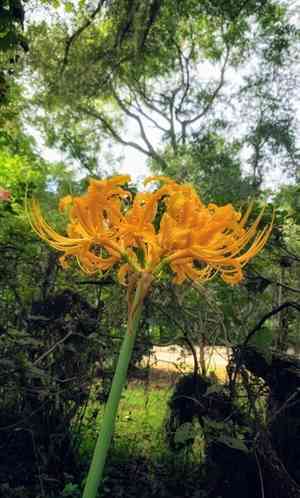
1
Golden spider-lily flourishes with a minimum of 6 hours of direct sunlight each day.
2
While these plants can endure some partial shade, their flowering may be less abundant.
3
Indications of inadequate light encompass foliage discoloration to yellow and restricted development.
Optimal Light Conditions for Golden spider-lily
Direct Sun Versus Partial Shade
The Golden spider-lily thrives in bright light, performing optimally when exposed to full sun. Full sun signifies that the plant should receive at least six hours of direct sunlight daily. Although Golden spider-lily can endure partial shade, which can be advantageous in extremely hot climates, its growth may be less vigorous, and blooming could be reduced. Therefore, for a lush and abundant display of flowers, aim to position it where it receives ample direct sunlight.
Daily Light Requirements
To maintain a healthy and robust Golden spider-lily, ensure it receives a minimum of 6 hours of sunlight daily. Ideally, the plant will flourish with approximately 8-10 hours of light on most days. In regions with weaker sunlight, longer exposure is beneficial, whereas in hotter climates, a slight reduction, moving the plant into light shade during peak sun intensity, might prevent leaf scorching.
Can Golden spider-lily Withstand Low Light?
Impacts of Insufficient Light
When the Golden spider-lily does not receive sufficient sunlight, it will begin to exhibit signs of distress. The effects of inadequate light can severely impair the plant's vitality and capacity to bloom. These plants require sunlight for efficient photosynthesis, and without it, they struggle to generate the energy essential for their development and flowering. This often leads to several adverse symptoms.
Indicators of Low Light Stress
Plants that are not receiving adequate illumination will display clear warning signs. For the Golden spider-lily, these include yellowing or pale foliage, especially on lower leaves, which may eventually fall off. Stunted growth and a lack of new flowers are common, and the plant might appear leggy or lean towards available light sources. If these symptoms are observed, it's an immediate signal to re-evaluate your plant’s lighting environment.
Best Practices for Light Exposure
Placing Your Plant
Strategic placement of your Golden spider-lily can significantly enhance its health and vigor. Position the plant in an open area that receives direct sunlight for the majority of the day. In garden settings, a south or west-facing spot is ideal for maximizing sun exposure. For potted plants, select a bright window, preferably one that gets abundant sunlight, to ensure proper growth.
Seasonal Adjustments
Modifying your plant's location according to the seasons is crucial. During spring and summer, natural sunlight is typically more abundant, and your Golden spider-lily will thrive. In autumn and winter, however, daylight hours are shorter. During these periods, you might need to relocate the plant to a brighter spot or consider using supplementary lighting to ensure it remains healthy throughout the year.
Utilizing Artificial Light
When natural sunlight is inadequate, particularly indoors or during darker months, employing artificial light can be highly advantageous. Full-spectrum LED grow lights or fluorescent lighting can supply the necessary light spectrum that your Golden spider-lily requires for growth. Position the lights approximately 12-18 inches (30-45 centimeters) from the plant and ensure they are active for about 10-12 hours daily to simulate natural conditions.
Common Questions About Golden spider-lily Sunlight Needs
Is Indoor Cultivation of Golden spider-lily Possible?
Yes, you can cultivate Golden spider-lily indoors, provided you can meet its light requirements. Choose a location near a bright window that receives ample sunlight. Alternatively, you can use artificial grow lights to augment natural light, ensuring the plant gets sufficient exposure. Remember, indoor plants may require additional oversight to confirm they're receiving the necessary illumination.
How Can I Tell if My Plant Receives Enough Sun?
Observing your plant's health and growth patterns can indicate whether it's getting sufficient sunlight. A healthy Golden spider-lily with vibrant, green foliage and consistent blooming suggests it is content with its light conditions. If you notice yellowing leaves, stunted development, or the plant stretching towards a light source, these signs imply the plant needs more sunlight. Adjusting its position to a sunnier spot or increasing exposure duration can resolve these issues.



