How Much Sunlight Do Stag's-horn clubmoss Need?
1
Stag's-horn clubmoss flourishes optimally with approximately 3-6 hours of indirect sun exposure daily.
2
While this plant endures complete shade, it struggles in intense, unshielded sunlight.
3
Observing and modifying light levels throughout the year aids in sustaining a robust Stag's-horn clubmoss.
Optimal Illumination Conditions for Stag's-horn clubmoss
Native Environment and Light Preferences
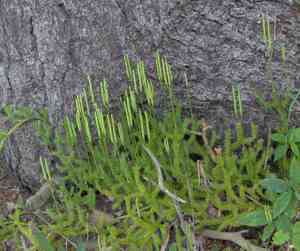
Stag's-horn clubmoss originates from woodland floors where it thrives in filtered sunlight passing through the tree canopy. In its natural setting, the plant benefits from moderate illumination without direct sun exposure. These conditions resemble a gentle interplay of light and shadow, providing an ideal balance for its development.
Direct vs. Indirect Illumination for Stag's-horn clubmoss
While Stag's-horn clubmoss can endure complete shade, it flourishes best in partial sunlight, roughly 3-6 hours daily. Direct sun can be overly harsh and may damage its delicate foliage. Instead, aim for indirect light, which mimics the diffused conditions of its native habitat.
Can Stag's-horn clubmoss Withstand Low Light?
Yes, Stag's-horn clubmoss can tolerate dim light environments, making it a versatile plant suitable for areas with limited illumination. However, be aware that prolonged periods in low light might hinder its growth. Balance is crucial, ensuring the plant receives sufficient indirect daylight regularly.
Optimizing Sun Exposure for Stag's-horn clubmoss
Plant Placement: Indoors vs. Outdoors
Stag's-horn clubmoss can be cultivated both indoors and outdoors, provided its light requirements are met. Indoors, position it near an east or north-facing window where it can receive ample indirect light. Outdoors, select a location that offers dappled sunlight or shade to prevent direct exposure.
Utilizing Shade and Light Modifiers
If your Stag's-horn clubmoss is outdoors, consider employing shade cloths or placing it beneath larger plants to replicate its natural dappled light environment. Indoors, sheer curtains can serve as light filters to soften direct sunlight, protecting the plant from potential burns.
Seasonal Light Variations and Adjustments
To ensure your Stag's-horn clubmoss remains healthy throughout the year, be mindful of seasonal light changes. In winter, daylight hours are shorter, so you might need to relocate the plant to a brighter spot. Conversely, during summer's intense heat, ensure the plant avoids direct sunlight, which can be more detrimental at this time.
Identifying and Correcting Light Problems
Indicators of Excessive Sunlight
If your Stag's-horn clubmoss is receiving too much sunlight, its leaves might begin to scorch or become sunburned. Scorched leaves will appear with brown, crispy edges and may feel brittle to the touch.
Indicators of Insufficient Sunlight
When Stag's-horn clubmoss isn't getting enough light, you may observe that its growth has significantly slowed. The plant might also appear to stretch towards any available light source, becoming leggy with sparse foliage.
Steps to Resolve Light-related Issues
Correcting light problems begins with proper positioning. Move your plant to a location where it can receive adequate indirect sunlight. For instance, if it's indoors, try placing it closer to a window with filtered light. Outdoors, ensure it's in an area with dappled sunlight. Gradually adjusting the plant's environment can help it adapt to new light conditions without causing shock.



