How Much Sunlight Do Pine lily Need?
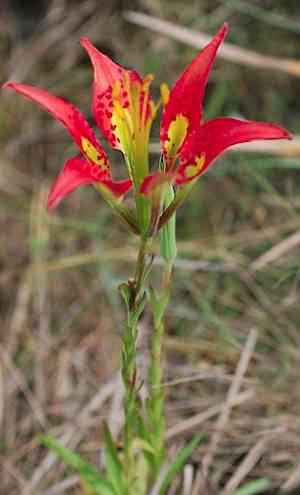
1
Pine lily flourishes optimally with over six hours of unfiltered sun each day.
2
Insufficient light can lead to etiolation and diminished floral production in Pine lily.
3
Mirrored surfaces can enhance light availability, particularly in locations with some shade.
Ideal Light Requirements for Pine Lily
Optimal Sunlight Exposure
The Pine lily thrives in abundant sunshine, requiring a minimum of 6 hours of direct sunlight daily. This consistent exposure fuels its growth and supports the production of its vibrant and striking blossoms.
Daily Sunlight Pattern Preferences
Consistent light exposure throughout the day benefits the Pine lily. Gentler morning sun helps prevent scorching from intense afternoon heat. Positioning your plant to receive balanced light from morning to late afternoon will optimize its development.
Consequences of Insufficient Light
Inadequate sunlight can hinder the Pine lily's health. Low light levels lead to elongated, weakened stems (leggy growth) and fewer, smaller flowers, diminishing its decorative appeal. Therefore, ample sunlight is essential for its well-being.
Indicators of Excessive Sun Exposure
While sun-loving, the Pine lily can suffer from too much direct sun, particularly in very hot climates. Symptoms of overexposure include brown, dry, and scorched leaves. Providing some afternoon shade can help alleviate the effects of intense sun.
Environmental Influences on Light Exposure
Geographical Impact on Light
Your location significantly affects the amount of sunlight your Pine lily receives. Temperate regions often make it easier to provide full sun year-round. Conversely, tropical or equatorial areas offer higher intensity and more consistent sunlight.
Seasonal Light Fluctuations
Seasonal changes alter sunlight availability. Longer summer days provide more light, while shorter winter days and lower sun angles may prevent your Pine lily from getting its required six hours. Monitoring and considering supplemental lighting during winter is crucial.
Indirect Light Adjustment Methods
If direct sun isn't fully available, you can indirectly enhance light. Pruning nearby shadow-casting branches or placing your Pine lily near light-reflecting surfaces like white walls or mirrors can boost its light intake.
Ensuring Adequate Sunlight for Your Pine Lily
Strategic Placement for Maximum Light
Position your Pine lily where it will receive the most consistent sunlight daily. For gardens, a south-facing spot with prolonged sun exposure is ideal. For urban dwellers, sunny balconies or windowsills are excellent choices.
Leveraging Reflective Surfaces
Utilize reflective surfaces to amplify light exposure. Placing your plant near a white wall or a reflective panel can direct extra light onto it, which is especially helpful in shadier spots or during darker months.
Tools for Measuring Sunlight
Employ light meters to accurately gauge the amount of light your Pine lily is receiving. These tools provide precise readings, simplifying adjustments to its placement or the management of supplemental lighting to ensure its six-hour sun requirement.
Implementing Artificial Grow Lights
For areas with limited natural light, artificial grow lights are a viable solution. These lights emulate the sun's spectrum, providing the necessary light for your Pine lily to flourish. Position them at a safe distance to prevent scorching and use a timer for natural day/night cycles.



