How Much Sunlight Do Guest tree Need?
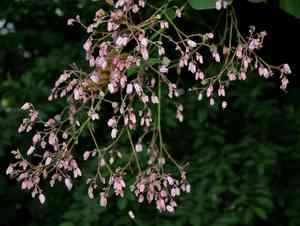
1
The Guest tree flourishes optimally in settings providing more than six hours of direct sunlight each day.
2
Inadequate light exposure can result in inhibited growth and subpar leaf formation for the Guest tree.
3
Thoughtfully positioning reflective materials can boost the amount of sunlight your Guest tree receives.
Optimal Light Conditions for Guest tree
Full Sun vs. Partial Shade
The Guest tree is a heliophilic species that flourishes in full sun, meaning it benefits from receiving over 6 hours of direct solar exposure daily. However, it can endure partial shade, particularly in regions with excessively hot afternoons, where some protective cover can prevent leaf scorch.
Exposure Duration and Timing
For peak development, it's crucial to ensure your Guest tree receives the appropriate amount of sunlight. Aim to provide at least 6 hours of full sun, ideally in the morning when the sunâs rays are less intense. This helps the tree develop a robust structure and vibrant foliage without the risk of severe afternoon heat.
Assessing Garden Sunlight
Measuring Light Intensity
To ensure your Guest tree gets adequate sunlight, consider utilizing a sunlight meter or a smartphone application to gauge light intensity. This helps you understand which areas of your garden receive the most consistent solar exposure throughout the day.
Shading Patterns and Seasonal Shifts
Observe the shading patterns in your garden, noting how they change with the seasons. Trees, buildings, and other structures can create shadows that shift throughout the year. By understanding these patterns, you can position your Guest tree in a spot with the best possible exposure.
Effects of Insufficient Sunlight on Guest tree
Signs of Low Light Stress
A Guest tree subjected to inadequate sunlight will display several stress indicators. Common signs include elongated and weak stems, sparse foliage, and a general decline in vitality. Leaf drop and yellowing are also indicators that your tree requires more light.
Corrective Actions
If your Guest tree suffers from low light conditions, relocate it to a sunnier spot if feasible. Pruning nearby overgrowth that casts shade can also enhance light penetration. Additionally, consider using support stakes to reinforce weakened stems until the tree recovers.
Optimizing Sunlight for a Guest tree
Choosing the Right Location
When planting your Guest tree, select a location with maximum solar exposure. An open area away from larger trees and structures that could cast shadows is ideal. Ensure the spot can provide the required 6 or more hours of direct sunlight daily.
Using Reflective Surfaces
Boost your Guest treeâs sunlight intake by strategically placing reflective surfaces, such as white walls or reflective mulch, nearby. These surfaces can bounce additional light onto the leaves, aiding photosynthesis and overall growth.
Implementing Seasonal Adjustments
As the seasons change, modify your care practices to maintain optimal sunlight exposure. In winter, trim back any overhanging branches from other trees that might block the sun. During the hot summer months, consider providing partial shade in the afternoon to protect the Guest tree from extreme heat.



