How Much Sunlight Do Needle juniper Need?
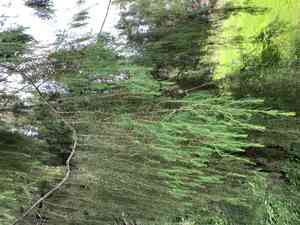
1
Needle juniper flourishes with ample sun exposure, needing a minimum of 6 hours of direct sunlight each day.
2
Excessive shade may impede its development and diminish the intensity of its needle hue.
3
Using shade cloths can assist in managing sun exposure throughout warm summer periods.
Ideal Light Requirements for Juniperus rigida
How Much Sun Does Juniperus rigida Need?
For your Juniperus rigida to flourish, it's vital to provide it with full sun exposure. This means a minimum of 6 hours of direct sunlight daily. Optimal light helps maintain its strong, spiky foliage and promotes vigorous development. If cultivating Juniperus rigida indoors, position it near a south-facing window to ensure ample sunlight absorption.
Best Period for Sun Exposure
The optimal time for your Juniperus rigida to receive sunlight is from morning to mid-afternoon. Morning sun offers a gentle start, less intense than peak afternoon rays, which benefits the plant's growth and vitality. Ensure your plant receives uninterrupted sunlight during these hours for peak performance.
Indicators of Excessive or Insufficient Sunlight
It's important to watch for signs of light-related stress. Too much sun can lead to browning or scorching at the needle tips, while inadequate light may cause weak, elongated growth and a dull appearance. Adjust the plant's placement if you notice these symptoms to ensure it's getting the correct light level.
Suitable Sunlight Types for Juniperus rigida
Direct Illumination
Direct sunlight is most advantageous for your Juniperus rigida. It thrives in full sun conditions, which provides crucial energy for photosynthesis. If outdoors, an open area without obstruction will encourage vibrant growth.
Indirect Illumination
While Juniperus rigida prefers direct sunlight, it can tolerate indirect light when necessary. However, prolonged periods without direct sun can negatively impact its overall health and development. Indirect light should only be a temporary solution or used when direct sunlight is unavailable.
Diffused Illumination
Filtered sunlight can be beneficial for your Juniperus rigida during extremely hot conditions. Using sheer curtains or planting it under the dappled shade of other trees can help reduce the sun's intensity while still supplying essential light.
Modifying Light Exposure for Juniperus rigida
Impact of Seasonal Shifts
Seasonal changes can alter the amount of sunlight your Juniperus rigida receives. In winter, the sun is lower and days are shorter, potentially leading to less direct light. Conversely, summer's intense sun can be harsh. Adjust its location accordingly to ensure consistent adequate light throughout the year.
Utilizing Shade Cloths and Screens
Shade cloths and screens are effective tools to shield your Juniperus rigida from excessive sunlight, especially during the hottest parts of summer. These materials help diffuse the sunlight, preventing leaf burn and maintaining the plant's health.
Common Errors and Prevention Strategies
Excessive Light Exposure
Overexposure can lead to foliage scorch, browning, and increased susceptibility to pests. Regularly inspect the plant and use shade cloths if the sun is too strong, particularly during summer months.
Insufficient Light Exposure
Underexposure may result in pale, etiolated growth. Ensure it gets sufficient light by placing it in a bright location. For indoor plants, consider supplementary grow lights to provide the necessary illumination.
Improper Placement
Avoid positioning your Juniperus rigida in spots with inconsistent light. Do not place it in areas where light might be blocked, such as under dense trees or in room corners. Select a location that offers steady, unobstructed sunlight throughout the day.



