How Much Sunlight Do Spotted touch-me-not Need?
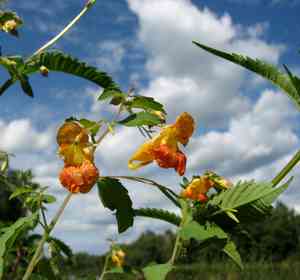
1
Spotted touch-me-not flourishes optimally with 3-6 hours of daily sun exposure.
2
This species is able to endure complete shade, offering flexibility for diverse garden locations.
3
Excessive sun exposure may cause leaf scorching and strain for Spotted touch-me-not.
Grasping the Light Needs of Spotted touch-me-not
What Kind of Illumination Does Spotted touch-me-not Favor?
Spotted touch-me-not thrives in environments with partial sunlight. Ideally, it should get around 3-6 hours of sun daily. This gentle light exposure is perfect for its delicate foliage and blossoms. Too much direct, harsh sun can cause harm, so it's wise to position it where it receives filtered light or morning sun.
Can Spotted touch-me-not Endure Shaded Conditions?
A notable characteristic of Spotted touch-me-not is its capacity to flourish even in complete shade. This makes it a versatile option for gardens with varied light levels. While it performs best with some sun, it can still maintain healthy growth and vibrant flowers in dim areas, making it a flexible addition to any garden.
Optimal Light Conditions for Spotted touch-me-not
Full Sun Versus Partial Shade
Spotted touch-me-not performs best in partial shade, where it receives the right balance of light and protection. Full sun, especially during the most intense part of the day, can cause leaf scorching and stress. Conversely, excessive shade might hinder its flowering process. Therefore, a spot offering morning sun and afternoon shade is perfect for this plant.
Prime Spots for Planting Spotted touch-me-not
When selecting the best place to plant Spotted touch-me-not, consider areas that receive gentle morning sun and are shielded from intense midday rays. Under the canopy of taller plants, along the edges of wooded areas, or near structures that offer shade are excellent choices. These locations will help the plant get the ideal amount of light it needs to thrive.
Adjusting Light for Various Growing Environments
Indoor Versus Outdoor Cultivation
Spotted touch-me-not can be cultivated both indoors and outdoors, though outdoor planting is more typical. For indoor growing, position the plant near a window where it can receive indirect or dappled light. Ensure the plant is regularly rotated so all sides get an even amount of light. Outdoor planting offers more flexibility as natural light conditions can be more easily managed by selecting the right spot and using shading methods.
Seasonal Light Fluctuations
Seasonal shifts can significantly affect the amount of light Spotted touch-me-not receives. During spring and summer, when days are longer and sunlight is more intense, it might be necessary to provide extra shade to safeguard the plant. Conversely, in fall and winter, with shorter days and weaker sunlight, ensuring the plant gets sufficient light becomes crucial. If kept indoors during winter, supplementing with grow lights can help maintain its vitality.
Common Issues Related to Light Exposure
What Occurs if Spotted touch-me-not Gets Too Much Light?
Excessive light can be harmful to Spotted touch-me-not. Signs of too much sun include leaf burn, where the leaves turn brown and brittle at the edges, and overall plant stress, which can impede growth. If you observe these symptoms, consider moving the plant to a shadier location or providing additional shading during peak sunlight hours.
How to Identify Light Deficiency in Spotted touch-me-not
While Spotted touch-me-not can endure shade, insufficient light can lead to etiolated growth, where the plant stretches towards any available light source, resulting in weak stems. Additionally, the blooming of its distinctive orange flowers may decrease. If you notice these signs, gradually move the plant to a brighter spot or trim surrounding foliage that might be blocking light.



