How Much Sunlight Do Striped barbados lily Need?
1
Striped Barbados Lily flourishes with six to eight hours of direct light each day.
2
While capable of enduring some shade, this plant achieves its best development in full sun.
3
When positioning indoors or outdoors, account for seasonal shifts to adjust its light intake.
What are the Illumination Preferences for Striped barbados lily?
Optimal Solar Conditions
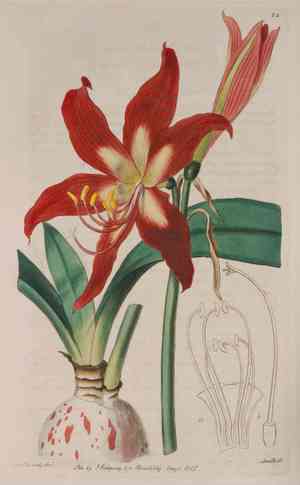
The Striped barbados lily thrives in bright light, requiring a substantial amount of sunshine. Ideally, it needs approximately 6-8 hours of direct sun daily. The plant's distinctive red and white blossoms benefit significantly from consistent light exposure, promoting vibrant and vigorous flowering.
Partial Shade Versus Full Sun
While the Striped barbados lily performs best in full sunlight, it is also quite adaptable and can endure partial shade. This flexibility is advantageous for cultivators who may have restricted access to constant full sun exposure. Nevertheless, for the most vivid blooms and robust development, placing the lily in a location that receives maximum sunlight is advisable.
How to Position Your Striped barbados lily for Best Sunlight Exposure?
Indoor Arrangement
If you are cultivating your Striped barbados lily indoors, situating it near a south-facing window is optimal. This placement ensures it obtains abundant sunlight throughout the day. Make sure the plant isn't too close to the glass to prevent potential leaf scorching from intense afternoon sun. Additionally, rotating the plant periodically aids in uniform light distribution.
Outdoor Arrangement
For outdoor cultivation, planting the Striped barbados lily in a garden spot that gets full sun is essential. If your garden has areas of dappled shade, try to position your lily in a zone that receives morning sun followed by partial shade in the afternoon. This balance can help avert overheating while supplying the light intensity the plant requires.
Indicators of Excessive or Insufficient Sunlight for Striped barbados lily
Symptoms of Overexposure
Excessive sunlight can lead to leaf burn, where the edges of the foliage turn brown and become brittle. Furthermore, the plant may appear wilted and stressed despite adequate hydration. Providing the plant with some afternoon shade can help alleviate these effects.
Symptoms of Inadequate Light
Conversely, insufficient light can cause the Striped barbados lily to become etiolated, with stems elongating in pursuit of illumination. The leaves may also lose their vivid coloration, and blooming could be minimal or absent. Relocating the plant to a brighter spot or supplementing with grow lights can help resolve this issue.
How Seasonal Variations Impact Striped barbados lily's Light Needs?
Spring and Summer
During the spring and summer months, the Striped barbados lily will thrive from the increased duration and strength of sunlight. This is the peak growing season for these plants, and ensuring they receive ample sun during this period encourages flowering and healthy foliage development.
Fall and Winter
In fall and winter, the sunlight intensity and duration diminish, which can affect the plant's growth. During these months, monitor the light the plant receives and potentially adjust its location. If grown indoors, supplementing with artificial light can help sustain its health during the shorter days.
Utilizing Artificial Illumination for Striped barbados lily
Types of Horticultural Lamps
There are several types of horticultural lamps suitable for Striped barbados lily, including LED, fluorescent, and incandescent lights. LED grow lights are particularly favored due to their energy efficiency and capacity to deliver the specific light spectrum necessary for plant development.
Best Practices for Supplemental Lighting
When employing artificial lights, position the lamp approximately 30-45 centimeters (12-18 inches) above the plant. Ensure the light is active for about 10-12 hours per day to complement natural light, especially during the darker months. Using a timer can assist in regulating the light cycle, effectively mimicking natural sunlight exposure.



