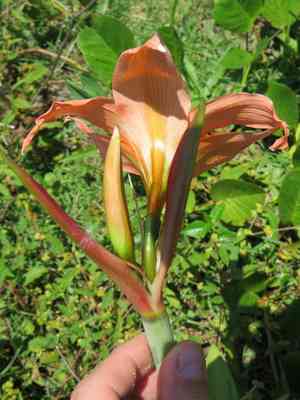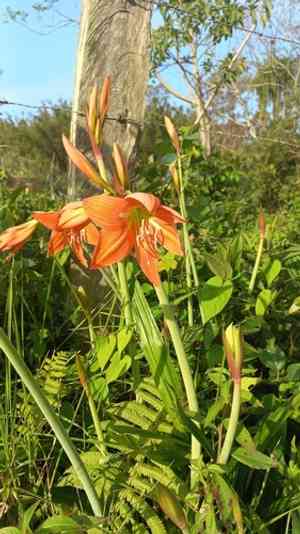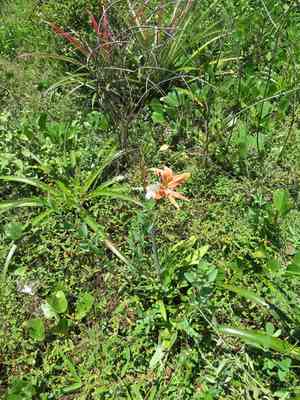
Striped barbados lily(Hippeastrum striatum)

Striped barbados lily (Hippeastrum striatum)

Also known as: Striped Amaryllis, Striped Barbados Lily

The striped Barbados lily (Hippeastrum reticulatum) is a relatively low-maintenance plant that flourishes from bulbs and showcases striking red flowers. It can thrive indoors, especially in cooler climates where outdoor growth isn't feasible. For optimal growth, maintain indoor temperatures around 70°F (21°C). Ensure you plant it in a well-draining potting mix and place it in an area with bright, indirect sunlight. Be mindful, as this plant is highly toxic to both humans and pets, so handle with care and keep it out of reach.

Attributes of Striped barbados lily

Lifespan
Perennial
Plant Type
Herb
Plant Height
20 cm to 60 cm
Spread
15 cm to 23 cm
Leaf Color
Green
Flower Size
15 cm to 30 cm
Flower Color
Orange White Yellow Pink Purple Red

ForwardPlant - Identify plants with a snap

Identify and diagnose plants, get toxicity alerts, and explore safety guides for all types of fungi.

Try for Free

Images of Striped barbados lily

Striped barbados lily(Hippeastrum striatum)

Quickly Identify Striped barbados lily

1
To identify Hippeastrum striatum, look for its large, linear leaves and the distinctive red to orange flowers with white stripes. The flowers grow in clusters atop a sturdy, leafless stalk.

Scientific Classification of Striped barbados lily

Phylum
Vascular plants
Class
Monocotyledons
Order
Asparagus and allies
Family
Amaryllis
Genus
Amaryllis
Species
Striped barbados lily

Planting and Growing of Striped barbados lily

Care Difficulty
Easy
Watering Schedule
Every 2 days
Sunlight Requirements
Partial sun
Sunshine Duration
6-10 hours
Ideal Temperature
60-75℉
Soil Type
Potting Mix, Peat Mix
Soil pH
6-7.5
Fertilizer Type
Balanced
Pruning Season
Spring, Summer
Pruning Area
Branches, Leaves
Pruning Frequency
Once a year
Repotting Season
Spring
Pot Type
Plastic, Ceramic

water icon How to Water Striped barbados lily?

For Hippeastrum striatum, the watering amount should be enough to fully moisten the soil without causing waterlogging. A general guideline is about 250 ml per session, ensuring soil is damp but not drenched.
What are the symptoms of an underwatered Striped barbados lily?
What should I do if my Striped barbados lily is not getting enough water?
What are the symptoms of an overwatered Striped barbados lily?
How to save an overwatered Striped barbados lily?
More About Watering Techniques

sunlight icon What Are the Sunlight Requirements for Striped barbados lily?

Sunlight Requirements: Partial sun
Duration of light: 4-6 hours daily
The ideal light range for Hippeastrum striatum is partial sun, around 4-6 hours of indirect or dappled sunlight daily. This ensures healthy growth and vibrant flower production.
What is the best light for Hippeastrum striatum?
How to achieve ideal lighting conditions?
What are the benefits of ideal lighting?
More About Sunlight Requirements Techniques

temperature icon What Is the Ideal Temperature Range for Striped barbados lily?

Ideal Temperature: 60 ~ 75℉
The ideal temperature range for growing Hippeastrum striatum effectively is between 60°F and 75°F. This range allows the plant to thrive by providing optimal conditions for photosynthesis and healthy growth. It's essential to maintain stable temperatures within this range to avoid stress and ensure the beautiful blooms for which this plant is renowned.

soil icon What Soil is Best for Striped barbados lily?

Soil type: Loam, Sandy loam
Soil PH: 6 ~ 7.5
Hippeastrum striatum thrives in well-drained soil, preventing root rot and allowing for better air circulation. This condition promotes healthy root development and minimizes risks of fungal infections. The plant benefits from soil that is rich in organic matter, providing essential nutrients for vigorous growth and flourishing blooms. This ensures a continuous supply of nutrients, enhancing plant vitality. Soil that retains moderate moisture without becoming waterlogged is ideal, as it keeps the plant hydrated while preventing excessive wetness that could harm the roots. More About Soil

fertilize icon How to Fertilize Striped barbados lily?

Fertilizer type: Balanced
For Hippeastrum striatum, it is essential to provide a balanced amount of nutrients. When using liquid fertilizer, dilute it to approximately half of the recommended strength stated on the package. A typical formulation would involve using about 10 ml per liter of water, applied every two weeks. For slow-release fertilizers, adhere to the manufacturer's instructions, but generally, a quarter cup per plant per application is sufficient. More About Fertilizing Techniques

prune icon How to Prune Striped barbados lily?

Pruning Time: Spring, Autumn
Inspect your Hippeastrum striatum for any yellowing, damaged, or diseased leaves and stems. These should be the first targets for removal to maintain the overall health of the plant. When pruning stems, make your cuts at a 45-degree angle, about a quarter inch above a healthy node or growth point. This encourages new growth and reduces the risk of water clogging on the cuts. Once the flowering season is over, it's essential to prune old flower stalks down to the base to redirect the plant’s energy towards nutrient storage and new leaf production. More About Pruning Techniques

propagate icon How to Propagate Striped barbados lily plant?

Propagate Time: Spring, Early spring
1
Collect seeds from mature seed pods carefully. Wait until the pods have dried out slightly but not to the point where they shed seeds naturally. Store them in a cool, dry place until you are ready to sow.
2
Use a well-draining potting mix supplemented with some organic matter. Ensure the soil is loose to facilitate root growth. Keep the soil moist but not waterlogged.
3
Sow the seeds shallowly in the potting mix, keeping enough space between them for growth. Water gently to moisten the soil, being careful not to disturb the seeds. Cover with a plastic dome to maintain humidity and warmth.
More About Propagating Techniques

repot icon How to Repot Striped barbados lily plant?

Repotting frequency: Every 1-2 years
1
Look for signs such as overcrowded roots growing out of the drainage holes or the soil drying out too quickly, indicating it's time to repot Hippeastrum striatum. The ideal season for repotting is during spring or summer when the plant is actively growing, ensuring a smoother transition.
2
Select a pot that is only slightly larger than the current one—about 1-2 inches wider. This discourages excessive soil moisture and promotes healthy root growth. Ensure it has drainage holes to prevent water from pooling, which could otherwise lead to root rot and other issues.
3
Opt for a well-draining, nutrient-rich soil mix specifically designed for bulbs or flowering plants. This kind of soil helps prevent waterlogging while providing essential nutrients, thereby ensuring robust growth and vibrant blooms.

ForwardPlant - Identify plants with a snap

Find the best spots for them to optimize their health, simply using your phone.

Try for Free

Toxicity of Striped barbados lily

Is Striped barbados lily toxic to humans?

The Striped Barbados Lily, classified as a *Hippeastrum*, possesses toxic characteristics that can harm humans if ingested or handled, especially in cases of significant consumption. The toxicity resulting from consuming this plant is moderate and arises from the alkaloids present in its leaves, stems, bulbs, and flowers. Contact with the sap may lead to mild skin irritation. Less severe symptoms from these plant parts may include diarrhea, vomiting, and excessive salivation, whereas more severe reactions can manifest as lowered blood pressure, convulsions, tremors, and heart palpitations. Children are particularly at risk from these toxic plants, which are often cultivated as ornamental additions in decorative gardens.

Is Striped barbados lily toxic to cat?

The striped barbados lily is regarded as toxic for felines. Cats can be poisoned primarily through accidental consumption, especially of the plant's bulb. Following ingestion of any part of the striped barbados lily, cats may display symptoms of physical distress, illness, or discomfort. It is crucial for cat owners to remain alert and ensure their pets do not have access to this plant. Should a cat ingest any portion of it, seeking immediate veterinary care is vital, as timely intervention is critical for the animal's health and wellbeing.

Is Striped barbados lily toxic to dog?

The striped barbados lily is recognized as toxic to dogs. Canines may inadvertently chew on various parts of this plant, particularly its bulb, which is known to possess harmful properties. If a dog consumes any portion of the striped barbados lily, it may present symptoms such as gastrointestinal distress, vomiting, diarrhea, fatigue, or more alarming reactions based on the quantity ingested. It is vital for dog owners to closely supervise their pets and restrict their access to striped barbados lily. Should there be any suspicion that a dog has ingested this toxic plant, prompt veterinary attention is critical to ensure the best possible recovery for the affected animal.

Identify toxic plants for your safety

Learn which plants are harmful to you and your pets, and make informed choices for a safer home!

Try for Free
WARNING
The judgment on toxicity and danger is for reference only. We DO NOT GUARANTEE any accuracy of such judgment. Therefore, you SHALL NOT rely on such judgment. It is IMPORTANT TO SEEK PROFESSIONAL ADVICE in advance when necessary.
More About Toxic Techniques