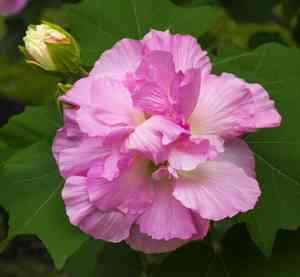
How Much Sunlight Do Confederate rose Need?
1
The Confederate rose flourishes with ample sunlight, though it can endure some filtered light.
2
Make sure your Confederate rose receives a minimum of six hours of direct sun each day.
3
Too much sun exposure might lead to scorched foliage, whereas inadequate light could hinder flowering.
Optimal Light Requirements for Confederate Rose
Direct Sun vs. Partial Brightness
The Confederate rose adapts well to various light conditions. Ideally, it flourishes in direct sun, requiring a minimum of 6-8 hours of unfiltered sunlight daily. Nonetheless, this plant also handles partial brightness quite well. While full sun promotes robust development and plentiful blooms, some horticulturists might find partial shade necessary, especially in areas with intense summer temperatures. Under conditions of partial brightness, where the plant gets about 4-6 hours of sun, the Confederate rose can still thrive, though the quantity of flowers may be reduced.
Daily Light Exposure
To guarantee peak health and abundant flowering, the Confederate rose should be situated where it can absorb adequate sunlight daily. Aim for at least 6 hours of unblocked sunlight. In the U.S., this typically means placing the plant in a south-facing or west-facing section of your garden. Morning sun is especially advantageous as it is less harsh and helps the plant acclimatize to daily warmth. If needed, monitor the plant's light exposure to adjust its placement for maximum light capture.
Optimal Placement of Your Confederate Rose for Sunlight
Ideal Garden Locations
When choosing a spot for your Confederate rose, look for areas that receive ample sunlight throughout the day. South-facing garden beds are prime as they get direct sun for most of the day. West-facing positions are also suitable, providing critical afternoon sun. Avoid placing the plant near large trees or structures that might cast extensive shade for extended periods. If you have a garden bed that seems perfect but gets shade in the late afternoon, this could be a good choice, provided the plant receives sufficient morning and midday light.
Adjusting for Seasonal Shifts
As seasons change, the sun's angle and intensity vary. During summer, intensity is higher and days are longer, often providing plenty of sunlight without much alteration. However, as autumn and winter approach, daylight hours shorten, and the sun's trajectory changes. You might need to move container-grown Confederate roses to spots that maximize available light, or trim back any foliage or obstructions that create unnecessary shade. For established ground plants, consider seasonal pruning of surrounding vegetation to ensure they do not obstruct necessary light.
Identifying Sunlight Stress in Confederate Rose
Symptoms of Excessive Sunlight
Even though the Confederate rose thrives in sunlight, too much direct exposure can lead to stress, appearing as leaf scorch. Signs of overexposure include leaves turning brown at the edges, a bleached or burnt appearance, and wilting even with moist soil. If you observe these symptoms, consider providing some afternoon shade and ensure the plant is adequately hydrated during hot periods.
Signs of Insufficient Sunlight
Conversely, inadequate sunlight can also be detrimental. If your Confederate rose isn't blooming or produces fewer flowers than usual, it might indicate insufficient light. Other signs include stretched or spindly growth and leaves developing a lighter green hue. If these symptoms are detected, reposition the plant to a brighter location or prune nearby plants that might be blocking light.
Tips for Ensuring Proper Sunlight for Your Confederate Rose
Utilizing Reflective Surfaces
One innovative method to boost sunlight exposure is by using reflective materials. Placing reflective items, such as mirrors or aluminum foil, around your Confederate rose can help direct additional sunlight onto the plant, enhancing its exposure and encouraging superior growth and blooming. This technique is especially useful for gardeners with limited sunny areas.
Pruning and Thinning Nearby Plants
Pruning and thinning adjacent vegetation can also help ensure your Confederate rose receives enough sunlight. Regular trimming of nearby trees or shrubs to reduce shading is crucial. Make it a habit to check for any new growth that might block light and promptly cut it back. This guarantees the Confederate rose remains in a well-lit environment, vital for its health and vitality.
FAQs on Confederate Rose Sunlight Needs
Can Confederate Rose Flourish in Full Shade?
While the Confederate rose can endure partial shade, it is not well-suited for conditions of full shade. Complete shade can result in reduced blooming and weaker overall development. If your garden is predominantly shaded, consider implementing strategic pruning and reflective surfaces to increase the amount of light the plant receives.
What to Do If My Confederate Rose Isn't Flowering?
If your Confederate rose is not blooming, first assess its sunlight exposure. A lack of sufficient sunlight is a common cause of poor flowering. Ensure it receives at least 6 hours of direct sunlight daily. Additionally, evaluate other factors like soil quality, moisture levels, and plant nutrients, as these can also affect blooming.



