How Much Sunlight Do Scarlet rosemallow Need?
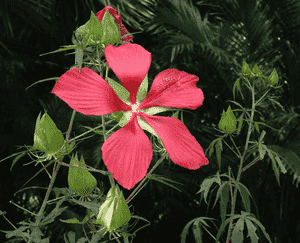
1
Scarlet rosemallow flourishes with more than 6 hours of direct sun each day.
2
Some shade is acceptable, though it might lessen flower production.
3
Indoor Scarlet rosemallow can greatly benefit from supplemental grow lights.
Optimal Illumination for Scarlet rosemallow
Full Sun vs. Partial Shade
For thriving Scarlet rosemallow, understanding its light requirements is vital. This species originates from bright, damp environments and flourishes best in full sun. Full sun implies the plant gets over 6 hours of direct sunlight daily. However, Scarlet rosemallow can also endure partial shade. While it will survive with some shade, reduced light can result in fewer flowers and a less robust plant overall.
Daily Light Requirements
Scarlet rosemallow ideally requires at least 6 hours of sunlight each day. This is crucial for its development and the production of its striking red blossoms. In areas with intense afternoon sun, some filtered shade can prevent leaf burn while still providing sufficient light for the plant to prosper. The key is ensuring the plant receives that vital sunlight in the morning or late afternoon without compromising light exposure.
Ensuring Proper Sun Exposure for Scarlet rosemallow
Selecting the Best Spot
When planting Scarlet rosemallow, choosing a strategic location is essential. An ideal spot would receive ample morning sunlight and some protection from harsh afternoon rays. Garden beds on the eastern or southern side of your home are excellent choices. If planting in a container, place the pot in a sunny area on your patio or deck, but avoid spots where shadows from buildings or trees will block sunlight.
Adapting to Seasonal Changes
Seasonal shifts can affect sunlight availability. As days shorten in autumn and winter, light exposure might decrease. To compensate, you can move potted Scarlet rosemallow plants to brighter locations or ensure they aren't shaded by deciduous trees losing their leaves. During peak summer, monitor the plant for signs of sunburn and consider providing temporary shade during the hottest part of the day if necessary.
Indicators of Insufficient or Excessive Sunlight for Scarlet rosemallow
Signs of Too Much Light
Excessive sunlight can cause leaf scorch and browning edges on Scarlet rosemallow. If you observe the leaves becoming crispy or developing burnt spots, it clearly indicates the plant is getting too much direct sunlight. In such instances, consider providing some shade or relocating the plant to an area with less intense midday sun.
Signs of Too Little Light
Conversely, inadequate sunlight can lead to a spindly, elongated Scarlet rosemallow with few or no flowers. The plant may also show slower growth and paler foliage. To remedy this, ensure the plant receives enough morning sunlight and consider pruning back any overhanging branches or structures that might be obstructing the light.
Managing Light for Indoor Scarlet rosemallow
Utilizing Grow Lights
For indoor cultivation, grow lights are an excellent method to provide the necessary light for Scarlet rosemallow. Full-spectrum LED grow lights mimic natural sunlight and can be adjusted to ensure the plant receives consistent light throughout the year. Position the grow light approximately 30 cm (12 inches) above the plant and operate it for 12-16 hours daily to simulate optimal lighting conditions.
Indoor Placement for Natural Light
If you prefer to rely on natural light, place the Scarlet rosemallow near a south-facing window where it can receive abundant sunlight. Rotating the plant regularly can ensure even light distribution, preventing one side from becoming overexposed while the other receives too little light. Consider placing the plant on a movable stand, making it easy to adjust its position in response to seasonal light variations.



