How Much Sunlight Do Hakone grass Need?
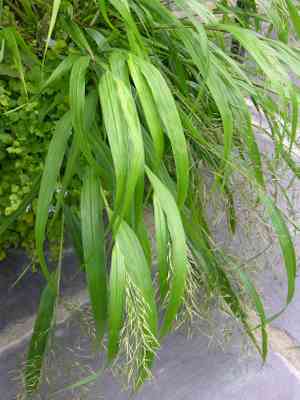
1
Hakone grass flourishes with approximately 3-6 hours of direct sun each day.
2
Extensive sun exposure can influence foliage coloration, frequently resulting in richer shades.
3
It's vital to balance light and shadow to avoid leaf burn while promoting robust development.
Grasping the Light Needs of Hakone Grass
Partial Shade Endurance
Hakone grass, an attractive decorative grass, is renowned for its ability to thrive in partial shade. It prefers spots receiving filtered sun for roughly 3-6 hours daily. This adaptability makes it perfect for gardens with varied light conditions.
Full Sun Exposure
While Hakone grass can withstand full sun, it's crucial to note that excessive direct sunlight can cause its foliage to burn. If planted in full sun, ensure the soil remains consistently moist to help lessen potential sun damage.
Dappled Light Preference
Dappled light, similar to sunlight filtering through tree canopies, is ideal for Hakone grass. This gentle illumination not only promotes robust development but also helps preserve the delicate leaf colors, preventing sunburn and excessive dryness.
How Light Influences Hakone Grass Development
Effect on Leaf Hue
The amount of sunlight Hakone grass receives can significantly impact its leaf coloration. For the most vivid shades, a balanced exposure to sunlight is essential. However, too much sun can lead to scorched edges, while insufficient light may result in a duller appearance.
Growth Rate and Vigor
Sunlight plays a vital role in the growth speed and overall health of Hakone grass. With adequate light, the grass tends to grow more robustly, forming lush, dense clumps. Conversely, insufficient sunlight can slow growth, leading to a sparser plant.
Flowering Patterns
Hakone grass typically produces subtle, delicate blooms. The quantity and quality of these flowers largely depend on sunlight exposure. More sunlight often leads to more frequent flowering, whereas limited light might reduce the blooming potential.
Optimal Planting Locations for Hakone Grass
Ideal Garden Spots
Finding the best place in your garden for Hakone grass involves considering sunlight patterns. Perfect locations include areas with morning sun and afternoon shade, such as beneath tall trees or next to taller shrubs that provide filtered light throughout the day.
Container Placement
When cultivating Hakone grass in containers, you have the flexibility to relocate them to optimize sunlight exposure. Position them where they can benefit from partial shade, and adjust their placement as needed to ensure they receive about 3-6 hours of sunlight daily.
Indoor vs. Outdoor Considerations
Hakone grass can be grown both indoors and outdoors, but the light requirements remain consistent. Indoors, place the plants near a window with indirect light. Outdoors, choose a spot that mimics the natural dappled light environment.
Common Sunlight Issues and Solutions for Hakone Grass
Sunburn and Leaf Scorch
A common problem Hakone grass faces is sunburn, leading to scorched leaves. This often occurs when the plant is exposed to too much direct sunlight without sufficient moisture. To prevent this, ensure consistent watering and, if possible, create partial shade using garden structures or shade cloths.
Excessive Shade
While Hakone grass tolerates shade, too much shade can impede its growth and vitality. If you notice slow growth or pale leaves, it might indicate insufficient sunlight. In such cases, gradually move the plant to a spot with more light exposure until an optimal balance is achieved.
Adjusting Sunlight Exposure
Adjusting the sunlight exposure for Hakone grass involves observing its reaction to different light levels. If necessary, use movable garden elements like umbrellas or portable planters to fine-tune the amount of sunlight. Regularly check for signs of distress such as leaf burning or stunted growth, and adjust accordingly.
Tips for Managing Sunlight for Healthy Hakone Grass
Utilizing Shade Cloths
Shade cloths are an excellent tool to manage sunlight for Hakone grass. They can help filter intense sunlight and create a more balanced light environment. Select cloths with varying degrees of shade (e.g., 30% or 50%) to suit the specific needs of your plant.
Seasonal Adaptations
Sunlight intensity changes with the seasons, impacting Hakone grass. In summer, consider providing extra shading during peak afternoon hours. During cooler months, ensure the plant receives ample light by removing or adjusting shade cloths and other barriers.
Monitoring and Adapting to Changes
Regular observation is crucial for the healthy growth of Hakone grass. Note how the plant responds to different light levels and be prepared to modify its light exposure. Use tools like light meters or simply track daylight patterns to ensure your grass gets the optimal amount of sun.



