How Much Sunlight Do Salal Need?
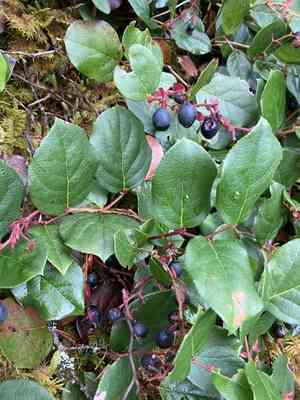
1
Salal flourishes optimally with approximately 3-6 hours of sun exposure each day.
2
This plant tolerates complete shade, though its bloom and fruit production might be reduced.
3
Morning light is more suitable for Salal than the intense afternoon sun.
Optimal Light Conditions for Salal
Partial Shade vs. Full Sun
Salal exhibits adaptability regarding light exposure. It flourishes in partial shade, meaning it benefits from approximately 3-6 hours of filtered sunlight daily. This mirrors its natural setting beneath forest canopies. However, while Salal can endure full sun, it's not its preferred state. Excessive direct sunlight can cause leaf burn and overall poor health. Conversely, Salal can grow in deep shade, but it might yield fewer blooms or berries than with sufficient illumination.
Morning Sun vs. Afternoon Sun
Morning light is typically less harsh and more advantageous for Salal. This gentle illumination strengthens the plant without the risk of overheating or dehydration. In contrast, afternoon sun can be extremely intense, particularly in warmer regions. Overexposure to this strong sunlight can harm the foliage and impede the plant's development. Therefore, positioning Salal where it receives morning sun and is shielded from the most intense afternoon rays would be ideal.
Seasonal Light Fluctuations
The amount of light changes with the seasons, and understanding this aids in optimizing Salal care. During spring and autumn, when the sun is less potent, Salal can tolerate slightly more direct sunlight. In summer, it's vital to safeguard the plant from the strongest sun, which may require providing some artificial cover or moving containerized plants. Winter, with its reduced light, renders Salal somewhat more dormant. During this period, any available light should be maximized to support fundamental growth and well-being.
How Light Intensity Impacts Salal Growth
High Light Intensity Risks
While sunlight is crucial for photosynthesis, an excess can be detrimental to Salal. High-intensity light can scorch the leaves, causing them to turn brown and brittle. This sun damage can be particularly harmful at midday when the sun's rays are strongest. Additionally, prolonged exposure to intense light can lead to dehydration, stressing the plant and potentially hindering its development. Observing the plant and providing shade during peak light hours can lessen these dangers.
Low Light Tolerance
One of Salal's strengths is its capacity to endure low light conditions. In shaded areas, it can survive, though its growth might be slower, and flowering may be diminished. However, it's important to balance this tolerance with its need for some light. Extended darkness can result in etiolated growth, where stems become long and weak as they stretch towards the light, compromising the plant's overall structure and vitality.
Moderate Light Preferences
To flourish, Salal favors moderate light conditions. This involves consistent, filtered light throughout the day, which supports balanced growth and robust health. Achieving this ideal can be done by planting Salal under deciduous trees where it receives ample dappled sunlight or in garden spots that get steady but not overly intense sun exposure. Ensuring moderate light helps the plant maintain healthy leaf coloration, a consistent growth rate, and a satisfactory number of flowers and fruits.
Tips to Optimize Sunlight for Salal
Selecting the Right Location
Choosing the appropriate site is essential for maximizing Salal's light absorption. It's best to plant Salal where it will receive morning sun and partial afternoon shade. If planting in a garden, a north or east-facing spot can be ideal following this guideline. For potted Salal, you can relocate the plants to better positions as the seasons change to ensure they get the optimal amount of sunlight.
Utilizing Shade Cloths
For gardeners in regions with particularly strong sun, shade cloths can be invaluable. These fabrics filter the sun's rays, reducing the amount of direct sunlight reaching the Salal. This can prevent leaf burn and help maintain the plant's moisture levels. A 30-50% shade cloth is often sufficient for providing the necessary protection without completely blocking all light.
Seasonal Adjustments
Modifying Salal's exposure to sunlight seasonally is another effective strategy. In summer, provide extra shade during peak afternoon hours. In spring and fall, allow for more direct sunlight as the sun isn't as intense. In winter, maximize any available light, perhaps by pruning overhanging branches that might obstruct the weaker sunlight. These adjustments help maintain optimal growth conditions throughout the year.
Common Sunlight-Related Issues for Salal
Signs of Excessive Sun Exposure
Too much sun exposure manifests in several ways. Look for yellowing or browning leaves, especially at the edges. Foliage may become dry and brittle, and overall growth could slow as the plant becomes stressed. Leaf scorch, characterized by brown, crispy patches, is a clear indication your Salal is receiving too much direct sunlight. Moving the plant to a shadier spot or providing protective cover can alleviate these symptoms.
Indications of Insufficient Sunlight
Conversely, inadequate sunlight also has its signs. If your Salal is getting too little light, you might notice it becoming leggy, with long, weak stems stretching towards the light source. The plant's leaves may lose their vibrant green color and appear more muted. Flowering and fruiting would also be minimal or absent. Ensuring the plant gets a few hours of light each day can help counteract these issues.
Corrective Actions
If you observe signs of either too much or too little sunlight, implement corrective measures immediately. For excessive sun, consider relocating the plant to a shadier spot or using a shade cloth. For insufficient light, move the plant to a brighter location and trim any overhanging foliage that might be blocking the light. Regularly monitoring your Salal and making necessary adjustments can ensure it remains healthy and thrives in its environment.



