How Much Sunlight Do Tahitian gardenia Need?
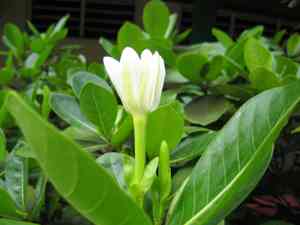
1
Tahitian gardenia flourishes with a minimum of 6 hours of daily sun exposure.
2
Morning light is milder and more advantageous than afternoon sun.
3
Excessive direct sun can scorch leaves, whereas insufficient light may impede development.
The Importance of Sunlight for Tahitian Gardenia
Sunlight's Role in Photosynthesis
Sunlight serves as the primary energy source powering photosynthesis in Tahitian gardenia. This process transforms light energy into chemical energy, which the plant utilizes for food production and development. Without sufficient sunlight, photosynthesis operates inefficiently, leading to nutrient deficiencies and stunted growth.
Sunlight's Effect on Flower Production and Scent
Tahitian gardenia is prized for its beautiful, fragrant blossoms. Adequate sunlight encourages flowering, improving both the quantity and quality of blooms. Insufficient light can result in fewer flowers and a weaker scent, diminishing the plant's overall appeal and vitality.
Optimal Sunlight Conditions for Tahitian Gardenias
Ideal Sun Exposure: Full Sun to Partial Shade
For best development, Tahitian gardenia plants require approximately six hours of sunlight daily. They can endure full sun but also thrive in partial shade, making them adaptable to various garden environments.
Morning Sun Versus Afternoon Sun for Tahitian Gardenia
Morning sunlight is preferred as it is less intense and provides necessary illumination without the risk of scorching. Afternoon sunlight can be harsher and may stress the plant if exposure is prolonged.
Understanding Seasonal Light Changes
Seasonal shifts can impact sunlight availability. During summer, the sun is more potent and lasts longer, while in winter, shorter days can restrict light exposure. Adjust the plant's placement accordingly to ensure consistent light year-round.
Identifying Signs of Sunlight Deficiency or Excess
Symptoms of Insufficient Sunlight
Tahitian gardenia plants lacking adequate sunlight often display signs such as elongated, weak stems, small leaves, and reduced flowering. The plant may also become a lighter green as it struggles to produce enough chlorophyll.
Indicators of Excessive Sunlight
Signs of too much sunlight include leaf burn, characterized by dry, crispy edges, and yellowing foliage. If your Tahitian gardenia exhibits these symptoms, consider providing shade during peak sun hours.
Strategies for Adjusting Sunlight Exposure
Utilizing Shade Cloths and Supplemental Grow Lights
Shade cloths can effectively shield Tahitian gardenia from intense afternoon sun. Conversely, during darker months, artificial grow lights can supplement natural sunlight, ensuring the plant receives adequate illumination for proper growth.
Practical Placement and Positioning
Place Tahitian gardenia in a location where it can receive morning sun and some afternoon shade. If grown in a pot, this allows for easy repositioning to optimize sunlight exposure throughout the year.
Common Questions About Tahitian Gardenia Sunlight Needs
Can Tahitian Gardenias Flourish Indoors with Limited Sunlight?
While Tahitian gardenias can be grown indoors, they need ample light to thrive. Positioning them near a south-facing window or using grow lights can help achieve sufficient indoor light levels.
What are the Best Practices for Ensuring Adequate Sunlight?
Best practices involve monitoring the plant's light exposure, adjusting its location as needed, and employing tools like shade cloths or grow lights to supplement natural light. Regular checks for signs of light deficiency or excess also aid in better sunlight management.



