How Much Sunlight Do Black ash Need?
1
Black ash flourishes optimally with ample sunlight, needing a minimum of six hours of direct sun daily.
2
Although Black ash can endure some shade, its development might not be as vigorous as when exposed to full sun.
3
Insufficient light exposure can result in stunted development, heightened vulnerability to illness, and reduced seed production.
Optimal Light Conditions for Black Ash
Full Sun Requirements
For successful Black ash cultivation, ample direct sunlight is crucial. These trees flourish with at least six hours of direct sun exposure daily. Full sun promotes vigorous development, enhances seed production, and maintains healthy, green foliage. Insufficient light can hinder growth and overall vitality.
Partial Sun Tolerance
Black ash can endure partial sun, also known as dappled shade, receiving 3 to 6 hours of direct sunlight daily. While they can survive in these conditions, growth may be less robust compared to full sun. Reduced light can lead to a sparser canopy and decreased seed yield, important for timber or ornamental use.
Impacts of Insufficient Light
When Black ash lacks adequate sunlight, it exhibits clear signs of distress. Foliage may thin, and leaves might yellow. Growth significantly slows, and the tree becomes more vulnerable to pests and diseases. Additionally, low light diminishes seed production, affecting its reproduction and the surrounding ecosystem.
Positioning Black Ash for Best Sunlight
Prime Planting Locations
When planting Black ash, choosing the correct site is vital. Ideally, select a spot that receives full sun throughout the day. Open areas free from tall buildings or dense forest cover are perfect. These locations should also have well-draining soil to prevent waterlogging, which can further stress the tree.
Seasonal Position Adjustments
To maximize light, observe the sun's path and adjust the tree's placement accordingly. During the growing season, ensure the tree has unimpeded sun access. As seasons change, monitor shadow patterns, especially if nearby structures or taller trees might cast shade. Trimming overhanging branches can also help maintain optimal light exposure.
Avoiding Sun Obstructions
To prevent shading and encourage proper sun exposure, avoid planting Black ash near taller trees, large shrubs, or structures that could block sunlight. Furthermore, stay alert to potential construction or landscaping changes that might impact sun exposure. Keep the area around the tree clear of large items like outdoor furniture or sheds.
Signs Your Black Ash Is Receiving Proper Sun
Healthy Leaf Color and Growth
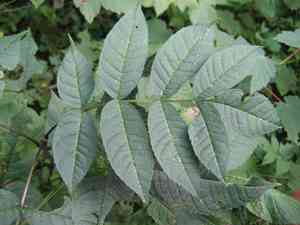
A Black ash tree getting sufficient sunlight will display vibrant green leaves and consistent growth. The foliage will be dense and uniform, indicating the tree's health and vigor. With adequate sun, you can expect a full, lush canopy during the growing season.
Abundant Seed Production
Black ash trees produce seeds (samaras) profusely when they receive enough sunlight. These seeds are crucial for species propagation and provide food for wildlife. Healthy seed output is a good indicator that the tree is thriving in its environment.
Pest and Disease Resistance
Sunlight is important not only for growth but also for the tree's immunity. Black ash trees in optimal sunlight conditions are more resistant to pests and diseases. Strong, healthy trees are better equipped to fend off infections and infestations, which can significantly impact their lifespan and vitality.
Common Sunlight-Related Issues for Black Ash
Symptoms of Sunburn
In extreme cases, especially in very hot and sunny climates, Black ash may suffer from sunburn. Symptoms include browning or scorching of the leaves. Ensuring proper watering and mulching around the tree base can help alleviate this issue by maintaining soil moisture levels.
Indicators of Insufficient Sunlight
If your Black ash isn't getting enough sunlight, it might show weak or leggy growth, yellowing leaves, and reduced seed production. The tree may also exhibit a thinner canopy, making it more vulnerable to environmental stressors.
Corrective Actions
To fix sunlight-related problems, consider moving the tree to a sunnier spot, if feasible. Pruning nearby plants and structures that cast shade can also be effective. Regularly monitor the tree's health and make any necessary adjustments to ensure it receives the right amount of sunlight throughout the year.



