How Much Sunlight Do African milk tree Need?
1
African milk tree flourishes optimally when exposed to a minimum of 6 hours of direct solar radiation per day.
2
Excessive direct sun exposure can lead to leaf burn and browning.
3
Insufficient sunlight can contribute to stunted development and elongated, bleached stems.
Deciphering the Light Requirements of African Milk Tree
Optimal Light Exposure for Robust Development
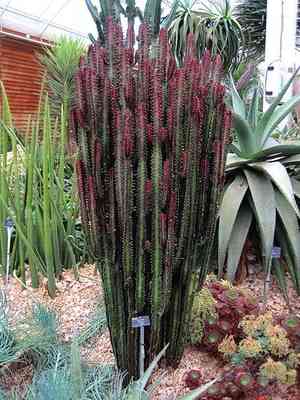
The African milk tree (Euphorbia trigona) is a striking and hardy succulent native to Central Africa. For optimal development, this plant thrives in full sun, meaning it requires at least six hours of direct sunlight daily. Positioning the African milk tree in a bright, sun-drenched location guarantees vigorous growth and accentuates its distinctive form. If full sun isn't available, it can endure partial sun, though this might lead to slower development and less vibrant foliage.
Indicators of Excessive Sun Exposure
While the African milk tree adores sunlight, it is possible for it to receive too much. Signs that your plant is getting excessive sunlight include scorched leaves, which may appear brown and brittle. You might also observe premature leaf drop. If these symptoms manifest, consider relocating your plant to an area where it receives bright, but indirect, illumination during the peak solar hours of the day.
Indicators of Inadequate Sun Exposure
Conversely, insufficient sunlight can also cause problems for your African milk tree. If the plant doesn't receive its necessary light allowance, it might display slow or stunted growth. Stems could become weak and elongated (a condition known as etiolation), and the leaf coloration may fade. These signs suggest your plant needs a brighter spot, so find a location where it can absorb morning light and receive proper care.
Prime Locations for Siting Your African Milk Tree
Indoor Placement Recommendations
When positioning an African milk tree indoors, select a sunny window, ideally one that faces south or west. This orientation maximizes its exposure to solar illumination throughout the day. Be wary of excessively hot windowpanes that can amplify sunlight and burn the plant. Instead, you might use sheer drapes to diffuse intense rays. If placing the plant in an area with less natural light, supplementing with grow lights can significantly aid in maintaining its vitality.
Outdoor Placement Recommendations
In outdoor environments, the African milk tree will flourish in a spot where it can receive unfiltered solar radiation for the majority of the day. A location on a patio, in a garden, or on a balcony exposed to at least six hours of direct sun is suitable. However, if summer sun is extremely powerful, a position offering partial shade during the hottest period of the day (midday to afternoon) can prevent leaf scorching. Ensure the site has well-draining soil to prevent waterlogging, which can be harmful to this succulent.
Seasonal Light Adjustments for African Milk Tree
Summer Care and Safeguards
During the summer months, the African milk tree thrives with abundant sun. Nevertheless, in regions with exceptionally hot summers, the intense midday sun can be too severe. It's beneficial to provide some shade during these peak hours, possibly by using shade cloths or moving the plant to a location with afternoon shade. Additionally, increased evaporation in summer means you must closely monitor soil moisture, ensuring it doesn't completely dry out.
Winter Light Requirements and Solutions
In winter, daylight hours are shorter and the sun is less intense, which can affect the African milk tree's development. Ideally, you should place the plant in the brightest available location, such as a sunny windowsill. If natural light is insufficient, especially in northern areas, consider employing grow lights to augment the diminished sunlight. Ensure the grow light operates for approximately 8-10 hours daily to simulate summer conditions and support the plant's well-being.
Supplementing Light for African Milk Tree
Effective Use of Grow Lights
Grow lights offer an excellent method to compensate for insufficient natural light, particularly during winter or in residences with limited window access. Position the grow light about 30 cm (12 inches) above the plant to ensure adequate coverage. LED grow lights are energy-efficient and effective, providing the necessary light spectrum for the African milk tree. Keep the light active for 8-10 hours daily to mimic a natural solar cycle.
Selecting the Appropriate Grow Light Type
When choosing a grow light for your African milk tree, opt for a full-spectrum LED grow light. This variety of light replicates the natural solar spectrum, delivering the red and blue wavelengths vital for photosynthesis and growth. Avoid incandescent or fluorescent lights as they do not provide the full spectrum required and can generate excessive heat. Adjustable grow lights can be advantageous as they allow you to modify the height and intensity of illumination to suit the plant's requirements as it matures.



